
News
Kenya In Crisis: Ruto’s Reversal Fails To Quell Protests And Mistrust

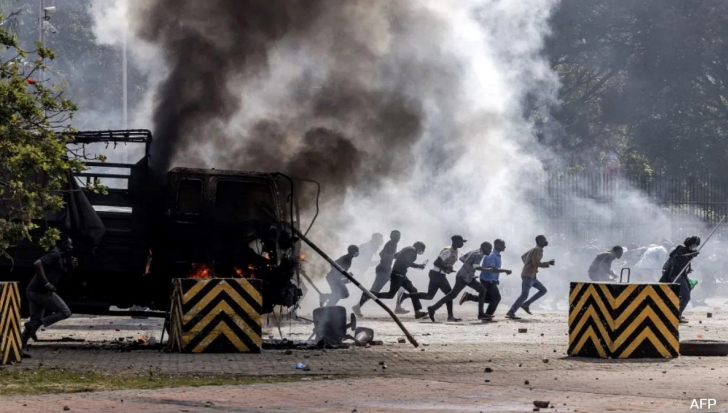
In a dramatic turn of events, President William Ruto of Kenya addressed the nation to announce that he will not sign the highly contentious finance bill that had sparked widespread and deadly protests across the country.
This decision comes amidst a backdrop of deep public mistrust and skepticism towards the government, as highlighted by various reports and analyses.
The recent unrest in Kenya has been marked by significant violence and loss of life. According to the Kenya National Commission on Human Rights, at least 22 people were killed during protests on Tuesday, while the Kenya Medical Association reported 13 fatalities. These protests erupted in response to the proposed finance bill, which many Kenyans saw as exacerbating already dire economic conditions.
Despite President Ruto’s decision to withdraw the bill, the public remains deeply skeptical. Independent analysts have noted that many Kenyans view this move as a strategic delay rather than a genuine concession. Willis Okumu, a researcher at the Institute for Security Studies, suggested that Ruto’s decision was influenced by political damage control and potential Western pressure.
On social media platforms, Kenyans expressed their doubts about Ruto’s intentions. A user named Hanifa on X (formerly Twitter) criticized the president’s timing and questioned the sincerity of his withdrawal.
Journalist Amina Wako echoed this sentiment, emphasizing that the withdrawal of the bill is merely a small step and insufficient to address the broader issues of police brutality and governance.
The finance bill itself has been a focal point of contention. President Ruto’s address included a defense of the bill, highlighting its intended goals such as reducing Kenya’s debt burden and funding development projects.
However, many Kenyans remain unconvinced, citing persistent corruption and misuse of funds as significant concerns. The proposed constituency development fund, for instance, has been criticized as a form of patronage with little accountability. The protests have brought to the forefront the frustrations of Kenya’s younger generation. High taxes, unemployment, and deteriorating public services have galvanized the youth to take to the streets. This demographic, previously perceived as politically disengaged, is now at the heart of the protests, challenging traditional modes of political participation. President Ruto’s decision to withdraw the finance bill, while significant, may not be enough to quell the unrest. The move has been seen as a response to the grievances raised by protesters, but the president’s legitimacy remains in question. Political writer Nanjala Nyabola noted that Ruto has lost substantial credibility, making it uncertain whether citizens will trust his future actions.
The situation in Kenya remains fluid and complex. President Ruto’s concession to withdraw the finance bill is a notable development, but it is clear that deeper issues of governance, economic
hardship, and public trust must be addressed to achieve lasting peace and stability


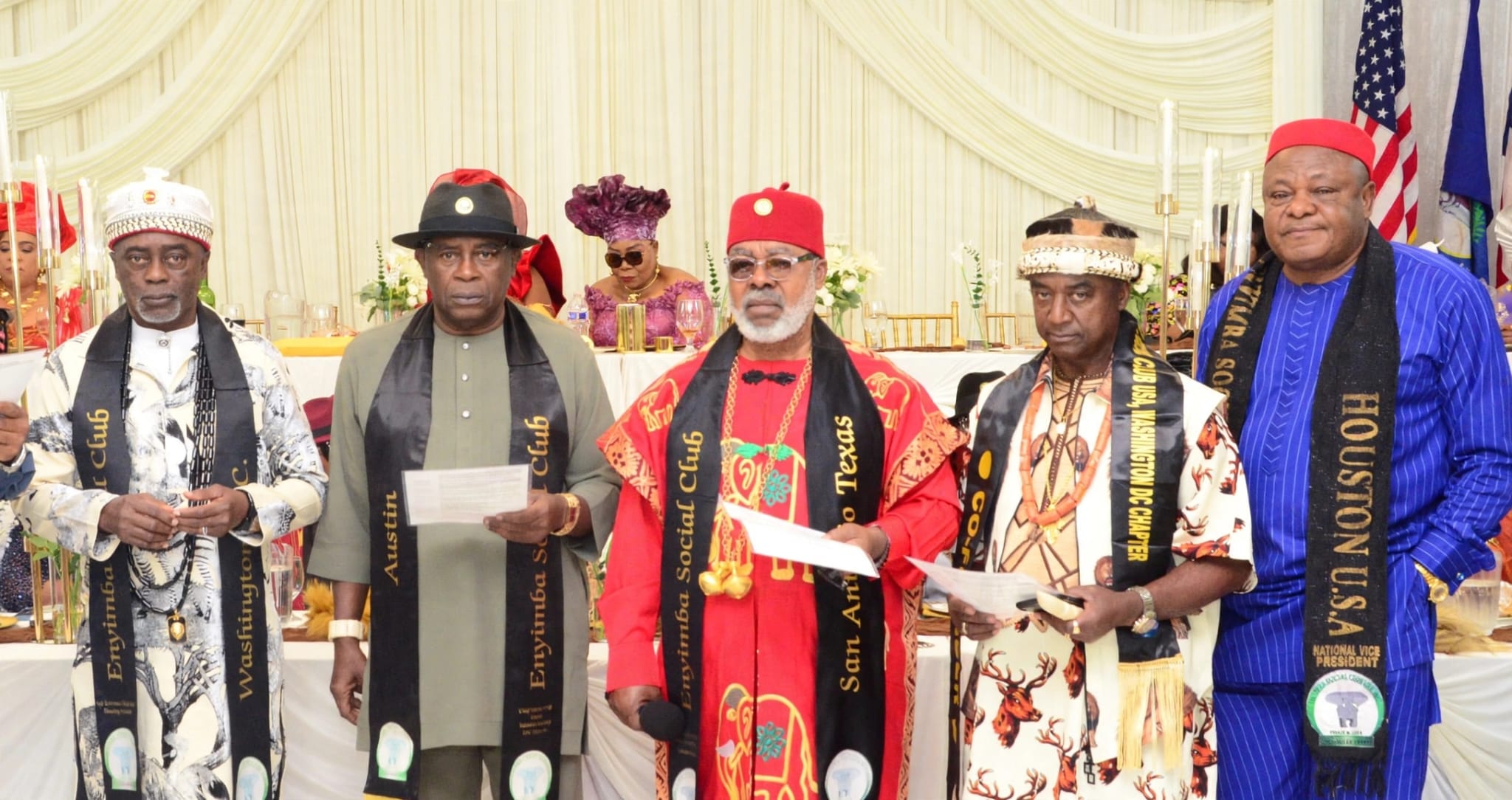
Enyimba Social Club Inaugurates Washington DC Chapter, Honours Women Founders
By Boniface Ihiasota, Washington DC
The club’s national president, Chibueze Ubabuike, commends Rita Okani and Dr Gladys Anokam for their roles in establishing the chapter.
Enyimba Social Club USA, Inc. has inaugurated its Washington DC chapter and inducted its first set of members, marking a significant milestone in the organisation’s expansion and efforts to promote Igbo cultural heritage, unity and community service among Nigerians in the diaspora.
The inauguration and first induction ceremony, held on October 17, 2026, in Washington, DC, brought together the club’s national executives, chapter presidents, traditional rulers, chiefs, members, families and other guests to celebrate the establishment of the chapter.
At the event, the club’s National President, Chibueze Ubabuike, commended Chief Lolo Rita Okani and Dr Gladys Anokam for their contributions to bringing Enyimba Social Club to the Washington DC metropolitan area.
In his address, Ubabuike acknowledged the perseverance of the two women, describing their efforts as instrumental to the realisation of a project that had taken years to accomplish.
“Thank you, Chief Lolo Lawrence and Rita Okani, Chief Fidelis and Lolo Gladys Anokam, you persevered and stayed the course and today the fruit is in the pudding,” he said.
The founding president of the Washington DC chapter, Chief Engineer Lawrence Okani, also paid tribute to his wife, Rita Okani, and Dr Gladys Anokam, identifying them as the women whose initiative and commitment laid the foundation for the chapter.
According to him, Rita Okani took the initiative to establish the club in the Washington DC area after travelling to two states to attend Enyimba Social Club events and learn about its traditions and operations.
He explained that his wife subsequently brought the application for the establishment of the Washington DC chapter and invited her friend, Dr Anokam, to join the process of recruiting founding members.
Okani said Dr Anokam, who serves as the club’s Second Lady at the national level, played an important role in mobilising prospective members for the chapter.
He said, “It is my pleasure to introduce the woman who brought the club to DC and then enlisted Second Lady Dr Gladys Anokam to help in recruiting founding members.”
He added that the women and their spouses would be recognised as the founders of the Washington DC chapter in appreciation of their contributions.
The recognition places the spotlight on the women’s role in extending the organisation’s presence to the US capital, with their efforts helping to establish a platform for social interaction, mutual support and the preservation of Igbo identity among members of the diaspora.
Speaking on the chapter’s journey, Okani said its establishment began in 2019 but faced challenges relating to commitment and leadership, which slowed the development of the organisation in the Washington DC metropolitan area.
He described the inauguration as an opportunity to renew the club’s commitment to the Igbo community in the District of Columbia, Maryland and Virginia area.
According to him, Enyimba Social Club Washington DC is a family-oriented organisation founded on the principles of peace, love, empathy and service to humanity.
He said the club provides support for members during both joyful and difficult moments, adding that its strength depends on the commitment and participation of its members.
Okani noted that the organisation’s benefits and affordable registration fees were designed to encourage membership and make the club accessible to interested members of the community.
The chapter’s founding president also expressed appreciation to his family for their support throughout preparations for the inauguration and induction ceremony.
Tracing the history of the organisation, Ubabuike said Enyimba Social Club began on December 26, 1999, in Dallas, Texas, when 12 young families came together to establish the social organisation.
He said the club initially operated within the Dallas-Fort Worth area, with His Royal Highness, Eze Walter Ekwu, the Ekegbukwu I of Lomara Ancient Kingdom, serving as its founding president.
According to him, the organisation expanded beyond its original base in 2003 with the inauguration and first induction of its Austin chapter, leading to the establishment of Enyimba Social Club USA, Inc., with its national headquarters in Dallas, Texas.
Ubabuike said the organisation had since grown into a family of about 600 members, united by a shared commitment to fairness, mutual assistance, friendship and peaceful coexistence.
He congratulated the Washington DC inductees, describing their admission as an opportunity to become part of an organisation that provides support to its members in good times and during periods of difficulty.
The national president urged the new members to uphold the club’s values, particularly its emphasis on reciprocity, equity and collective responsibility.
He cited the organisation’s guiding principle, “He who do he, do he,” which he translated as the golden rule of treating others as one would wish to be treated.
He also praised the Washington DC induction planning committee, led by Chief Fidelis Anokam, for its work in organising the ceremony, while acknowledging the support of chapter members and the leadership of Chief Lawrence Okani.
Ubabuike further welcomed guests who attended the event in support of the inductees, urging them to identify with the organisation’s commitment to family, friendship, care and community service.
In his remarks, Okani said the club’s philosophy of “Peace and Love” reflected the importance of solidarity among Igbo people living abroad, particularly through empathy, selflessness and willingness to support one another.
He said the inauguration should serve as a foundation for building a stronger organisation that would contribute positively to the Igbo community and preserve its cultural heritage for future generations.
The event concluded with a renewed call for unity and commitment among members, in line with the organisation’s motto: “One Club, One Family and One Love in Service to Enyimba Social Club USA.”
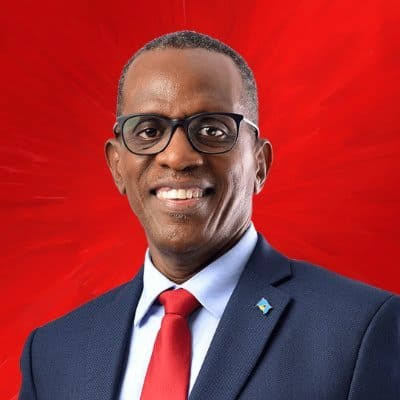
CARICOM, Türkiye explore cooperation in trade, energy, food security
The Caribbean Community, CARICOM and the Republic of Türkiye have explored opportunities to strengthen cooperation in trade, investment, food security, renewable energy, disaster management and maritime connectivity.
The two sides also identified health, port development and climate resilience as priority areas for deeper engagement during the second meeting of the CARICOM-Republic of Türkiye Consultation and Cooperation Mechanism held on October 12, 2026.
According to a joint press release, the meeting reaffirmed both parties’ commitment to strengthening political dialogue and advancing practical cooperation in areas of mutual interest.
The meeting was co-chaired by the Permanent Secretary in Suriname’s Ministry of Foreign Affairs, International Business and Cooperation, Ambassador Miriam Mac Intosh, and Türkiye’s Director-General for Latin America and the Caribbean in its Ministry of Foreign Affairs, Ambassador Erkan Aytun.
Mac Intosh, who represents the current chair of the CARICOM Council for Foreign and Community Relations, said the partnership was founded on constructive dialogue, mutual respect and a shared commitment to development.
She commended Türkiye for its support for development projects and humanitarian assistance across the Caribbean, noting that the contributions had delivered tangible benefits to the region.
“We remain committed to identifying and advancing further initiatives that contribute to the Region’s resilience and sustainable development,” she said.
Convened under a memorandum of understanding signed in 2011, the meeting reviewed developments in relations between the two parties and examined opportunities to expand cooperation.
High-level officials from CARICOM member states presented practical proposals covering trade and investment, disaster management, food security, renewable energy, health, maritime connectivity and port development.
Representatives of Turkish institutions also outlined how their technical expertise, technology and institutional capacity could support the priorities of Caribbean countries.
The discussions further examined preparations for the 31st Conference of the Parties to the United Nations Framework Convention on Climate Change, known as COP31, scheduled to take place in Antalya, Türkiye, from November 9 to 20, 2026.
Türkiye, which will preside over the conference, presented its strategic priorities and preparations for the global climate summit.
Aytun said the country wanted COP31 to focus on implementing climate commitments, following consultations with participating countries and other stakeholders.
“We need to make COP31 an implementation COP,” he said.
He identified 10 priority themes for the climate action agenda, including clean energy transition and electrification, zero waste and methane reduction, climate-resilient cities, green industrialisation, youth and education, food security, oceans and seas, resilient health systems, synergies among the Rio conventions and a climate implementation bridge.
CARICOM and Türkiye have expanded their engagement over the years through development cooperation, humanitarian assistance and support for regional initiatives.
Recent areas of cooperation include contributions to Caribbean disaster recovery efforts, support for the Caribbean Development Fund and assistance in strengthening the CARICOM Secretariat’s information and communications infrastructure.
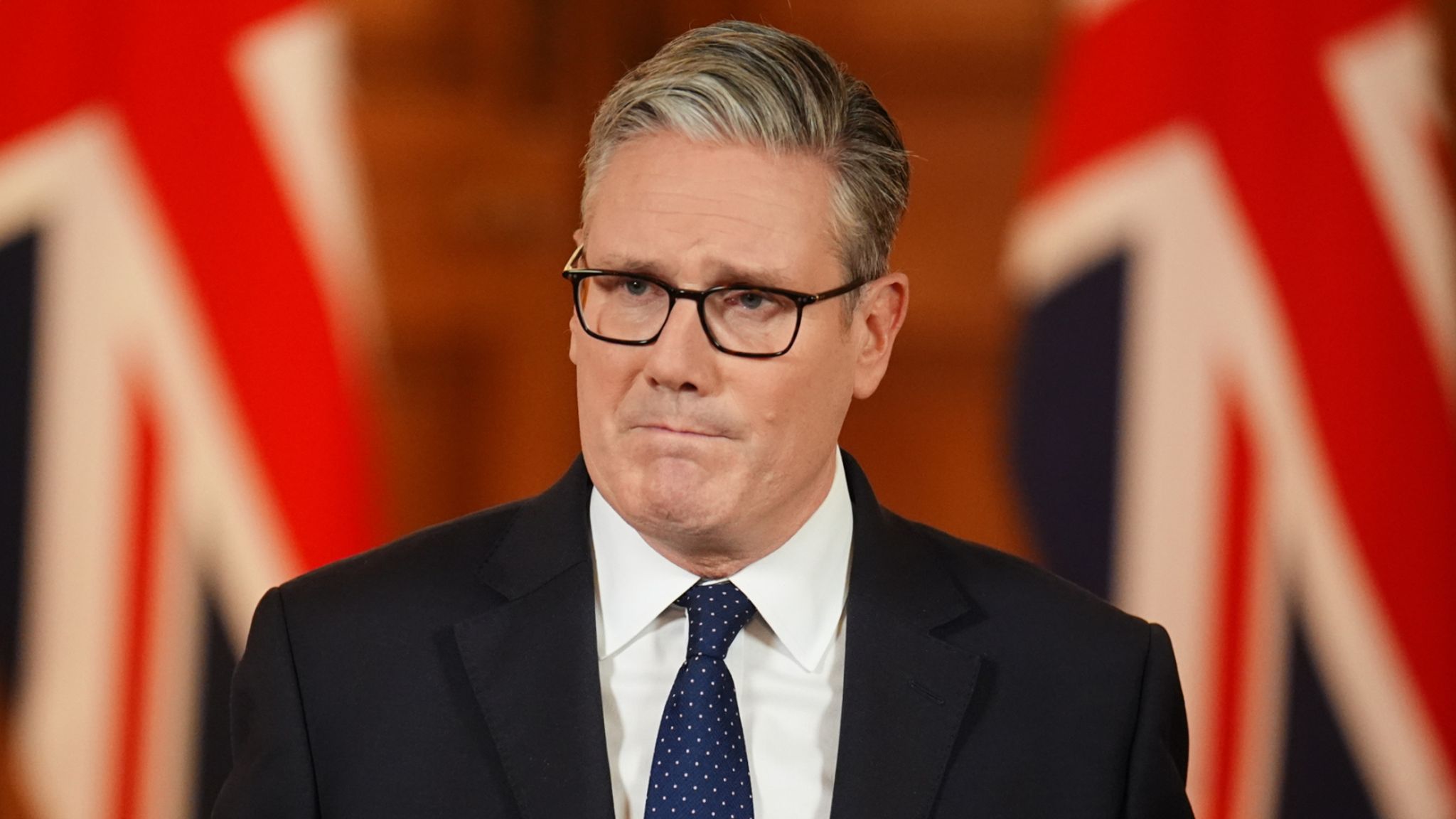
Britain restricts Eritrean diplomats, threatens entry ban
The United Kingdom has threatened to impose a blanket entry ban on Eritrean nationals if the East African country fails to cooperate with efforts to return migrants who have no legal right to remain in Britain and foreign nationals convicted of crimes.
The UK Home Secretary, Shabana Mahmood, announced the proposed measures amid growing tensions between both countries over migration and the repatriation of Eritrean nationals.
From Thursday, Eritrean diplomats will face restrictions on their movements outside London, while fast-track visa arrangements for senior officials will be suspended.
Mahmood warned that the British government could introduce further restrictions if Eritrean authorities continued to reject its requests for cooperation.
“Eritrea has had every chance to accept the return of criminals and those with no right to be in the UK. Unlike other countries, it has refused,” she said.
She added that she would not hesitate “to impose further measures on other countries refusing to co-operate”.
The British government accused Eritrea of abruptly withdrawing cooperation earlier this year, making it difficult to return nationals who had been denied permission to remain in the UK.
However, Eritrea’s government rejected the allegations, describing the restrictions as a “perfunctory political gimmick”.
The Eritrean embassy in London also accused Britain of failing to engage in meaningful dialogue and alleged that British authorities had not properly disclosed cases involving nationals who were returned while still serving prison sentences.
It further disputed Britain’s description of some returns as voluntary, arguing that the circumstances did not support that characterisation.
A UK Home Office spokesperson dismissed the criticism, saying Eritrea’s comments misrepresented the British government’s position.
The Home Office also said Britain had granted an exemption from immigration control to an Eritrean official in August 2026, disputing claims that no Eritrean official had received such an exemption since 2023.
The proposed restrictions come as Eritreans account for a significant proportion of migrants arriving in Britain through irregular Channel crossings.
Figures from the House of Commons Library show that Eritreans represented 18 per cent of small-boat arrivals in the 12 months to June.
Home Office data indicated that more than 5,800 Eritreans arrived in Britain through small boats during the same period, while approximately 1,300 were granted visas, mostly to join relatives already living in the country.
Only seven Eritrean nationals were returned directly to Eritrea from Britain during the 12 months to June, while another 244 were returned to other countries.
The figures have raised questions about the likely effectiveness of the proposed restrictions in reducing irregular migration.
Dr Madeleine Sumption, director of the Migration Observatory at the University of Oxford, said targeting Eritrea could have limited impact because most Eritreans seeking asylum in Britain were likely to qualify for international protection.
She told BBC Radio 4’s Today programme that Eritrea accounted for approximately 7,000 asylum applications in the latest year of available data, representing about eight per cent of the total.
“Most Eritreans who come and claim asylum are not removable at all,” she said, adding that about 84 per cent of applications were successful at the initial decision stage, with further applicants potentially succeeding on appeal.
Sumption said the number of people initially refused asylum would decline as appeals were considered.
Eritrea has faced longstanding international criticism over its human rights record, including allegations of forced labour, indefinite military conscription and restrictions on freedom of expression.
The country, which gained independence from Ethiopia in 1993, has never held a national election since independence and has no independent media.
Human Rights Watch has accused the government of widespread repression, while critics of President Isaias Afwerki have faced arrest and prolonged detention, often without trial.
Indefinite military service has also been cited as a major reason young Eritreans leave the country.


Enyimba Social Club Inaugurates Washington DC Chapter, Honours Women Founders

The Likes of Kila in Our Society, by Alabidun Shuaib AbdulRahman

CARICOM, Türkiye explore cooperation in trade, energy, food security

Pastor Jerry Eze Defends Miracles At UK Conference Amidst Criticism And Controversy

Diaspora Watch 20th Edition (October 14-20, 2024): Your Trusted Source for Global News and Insights

Tanzanian Man Reportedly Dies And Returns To Life Six Times


-

 Analysis1 week ago
France in Crisis: Anger and Unrest Shake the Nation
-
 Diplomacy1 week ago
CARICOM, Türkiye explore cooperation in trade, energy, food security
-
 News1 week ago
Britain restricts Eritrean diplomats, threatens entry ban
-

 Business1 week ago
Africa Loses $75bn Yearly to Risk Premiums, Experts Warn
-
 News1 week ago
Zelenskyy seeks European support as Trump tensions deepen
-
 Opinion1 week ago
Before You Collect That Peanut, Remember Your Future, by Boniface Ihiasota