
News
Iran Claims Breakthrough on ‘Guiding Principles’ in Nuclear Talks with US

Iran Claims Breakthrough on ‘Guiding Principles’ in Nuclear Talks with US
Iran has announced that it has reached an understanding with the United States on the main “guiding principles” aimed at resolving the long-running dispute over Tehran’s nuclear programme.
The development followed indirect negotiations held in Geneva, Switzerland, amid heightened military tensions in the Middle East.
Iran’s Foreign Minister, Abbas Araghchi, disclosed after the talks that while progress had been made, further work remained to finalise a comprehensive agreement.
According to him, the discussions were focused primarily on Iran’s nuclear programme and the possible lifting of economic sanctions imposed by Washington.
The United States has yet to issue an official statement on the outcome of the Geneva meeting.
However, Oman’s Foreign Minister, Badr Albusaidi, whose country mediated the talks, described the negotiations as constructive.
He said the discussions “concluded with good progress towards identifying common goals and relevant technical issues.”
The talks were held at the residence of Oman’s ambassador in Geneva and come amid escalating rhetoric between both nations.
US President Donald Trump had earlier framed the negotiations as “very important,” warning that Iran would face consequences if it failed to reach an agreement.
Speaking aboard Air Force One, Trump said he believed Tehran was motivated to negotiate this time.
“I don’t think they want the consequences of not making a deal,” he said, referencing previous US military action against Iranian nuclear facilities.
Trump also cited last summer’s deployment of B-2 stealth bombers against Iranian nuclear sites, saying, “We could have had a deal instead of sending the B-2s in to knock out their nuclear potential. And we had to send the B-2s. I hope they’re going to be more reasonable.”
The renewed diplomatic engagement follows repeated US threats over Iran’s nuclear activities and its crackdown on anti-government protests.
Washington and its European allies have long suspected that Iran is moving towards developing a nuclear weapon — a claim Tehran has consistently denied, insisting its nuclear programme is for peaceful purposes.
Meanwhile, the United States has significantly increased its military presence in the region.
Satellite imagery has confirmed the presence of the aircraft carrier USS Abraham Lincoln near Iranian waters.
Reports also indicate that the USS Gerald R Ford, the world’s largest warship, is expected to arrive in the Middle East within weeks.
Additionally, US destroyers, combat ships and fighter jets have reportedly been deployed to reinforce Washington’s military posture.
Iran has responded with its own show of force. The Islamic Revolutionary Guard Corps (IRGC) recently conducted maritime drills in the Strait of Hormuz, a critical global oil transit route between Oman and Iran.
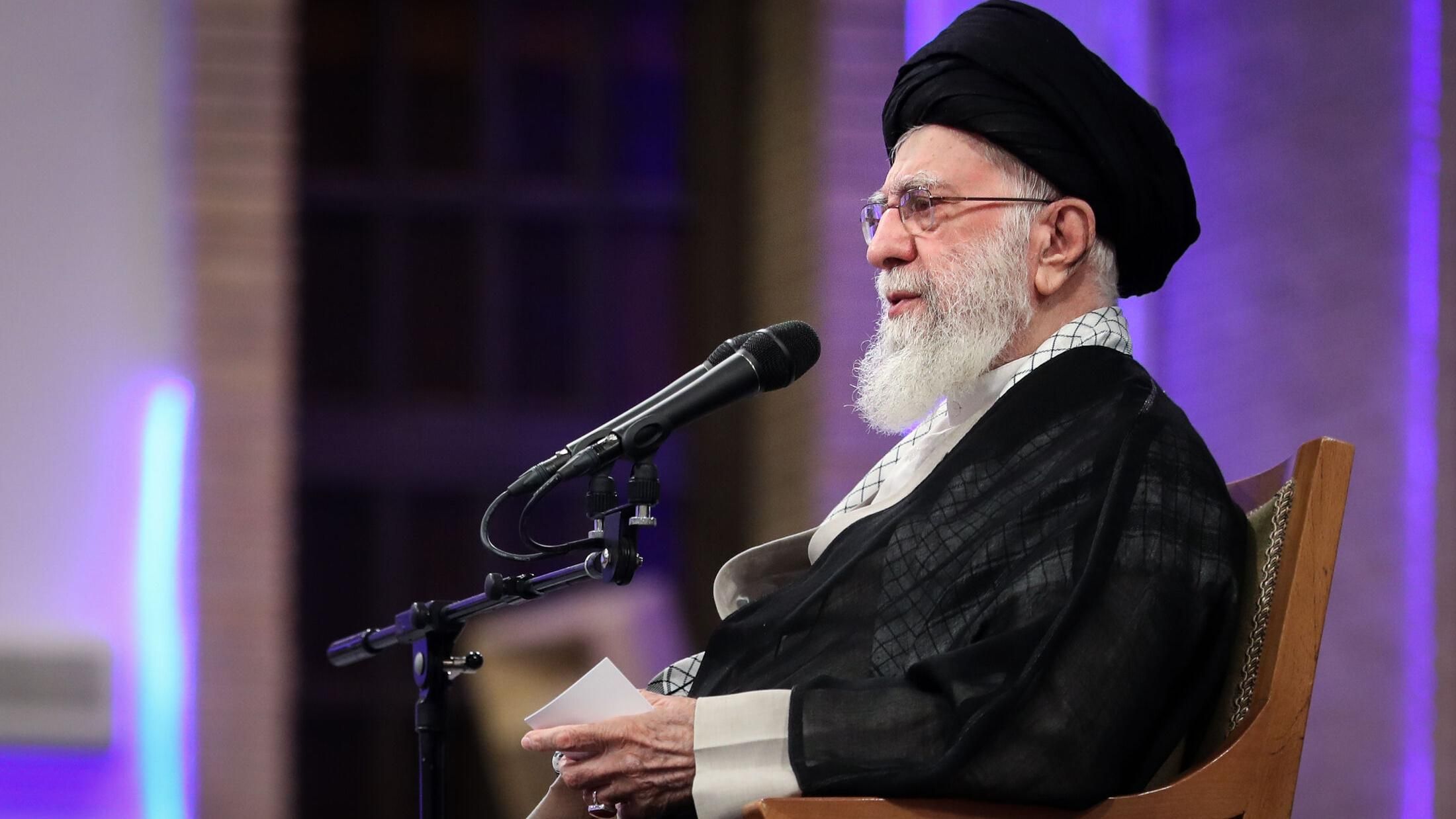
In a strongly worded response to US threats, Iran’s Supreme Leader, Ali Khamenei, warned that military might alone would not determine the outcome of the standoff.
“More dangerous than an aircraft carrier is the weapon that can send it to the bottom of the sea,” Khamenei said, adding that attempts to predetermine negotiation outcomes would be “a wrong and foolish thing to do.”
Araghchi had earlier met with the head of the United Nations nuclear watchdog, stating in a post on X that he was in Geneva to “achieve a fair and equitable deal,” while emphasising that “submission before threats” was not an option.
US Secretary of State Marco Rubio, during a visit to Hungary, described the prospect of a deal as challenging.
“I think that there’s an opportunity here to diplomatically reach an agreement… but I don’t want to overstate it either. It’s going to be hard,” Rubio said.
The Geneva talks follow earlier indirect negotiations held in Oman this year, which Araghchi described as a “good beginning.”






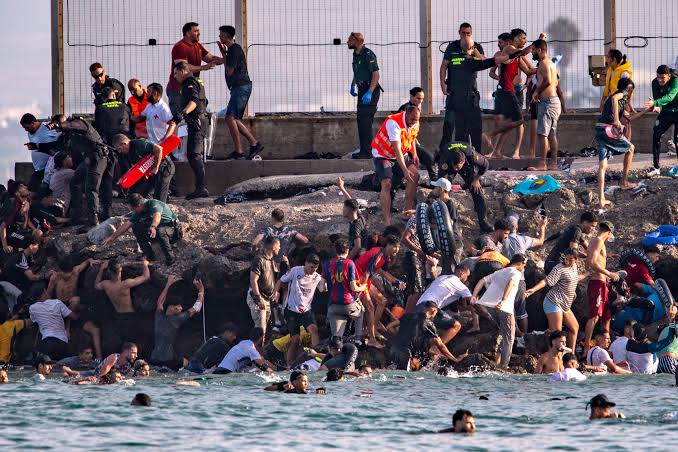
Spain battles political fallout as 60,000 migrants overwhelm Ceuta border
Spain is facing mounting political pressure after an estimated 60,000 migrants crossed from Morocco into the Spanish enclave of Ceuta within 24 hours, triggering one of the country’s worst border crises in recent years.
The unprecedented influx overwhelmed local infrastructure, forced businesses to shut down and disrupted daily life in the North African territory.
Spanish Prime Minister Pedro Sánchez condemned the mass crossing, describing it as “a violation of Spain’s territorial integrity,” as security forces reinforced the border.
Residents expressed frustration over the scale of the influx, saying the territory lacked the resources to cope with such a large number of arrivals.
Although thousands of migrants have reportedly returned voluntarily to Morocco, officials said shortages of food and essential supplies continued to affect the enclave.
The crisis has also reignited political debate across Europe over border security and migration policy, with some politicians calling for tougher controls along the European Union’s external frontiers.
The humanitarian toll also continued to rise, with officials confirming that at least 57 people died during the border surge.
Many of those who crossed into Ceuta said they were fleeing unemployment and economic hardship in Morocco in search of better opportunities in Europe.
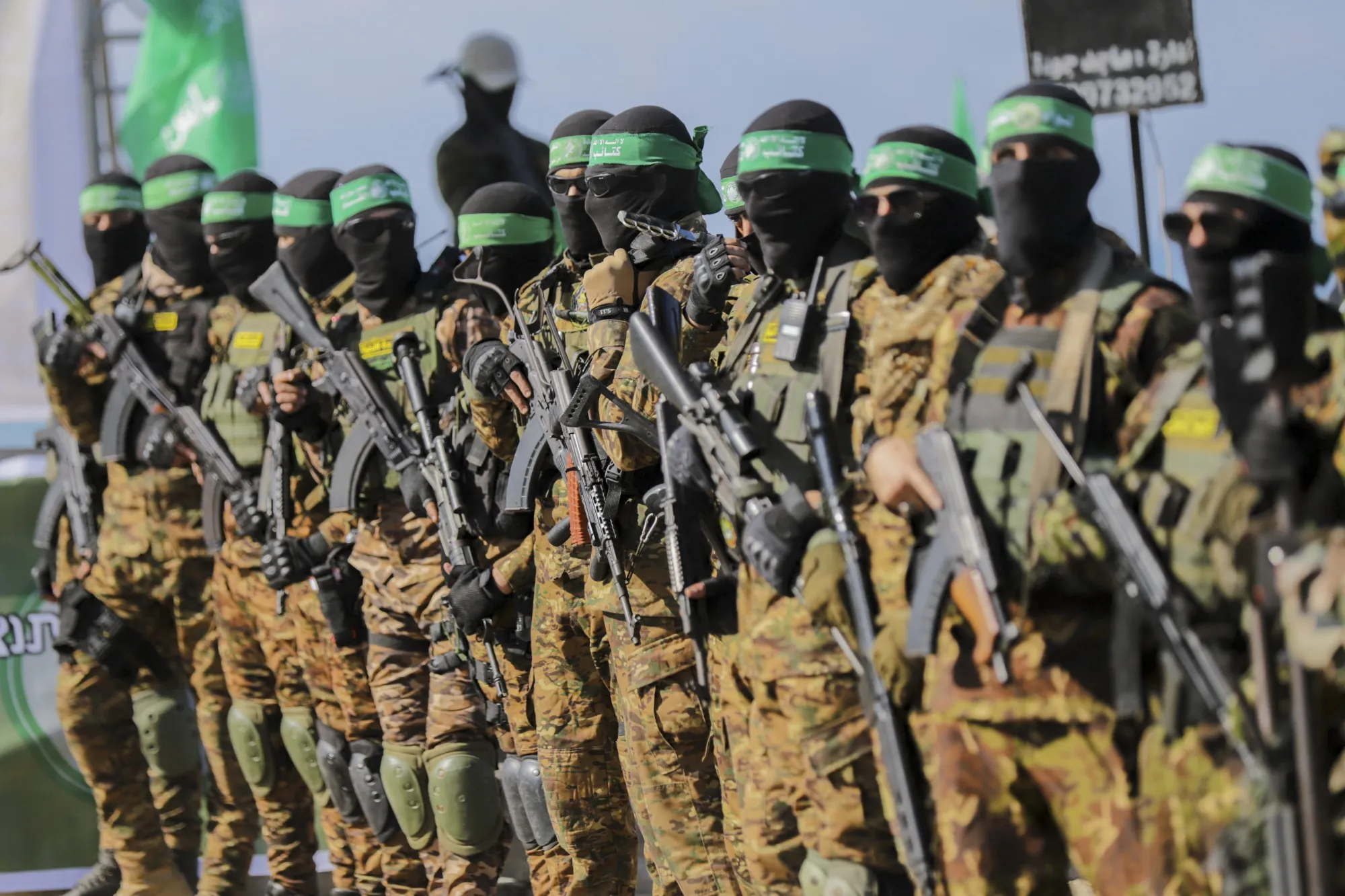
Hamas agrees to disarm as Gaza withdrawal deal gains momentum
Hamas has agreed to surrender its weapons under a new internationally backed roadmap aimed at ending the war in Gaza, paving the way for a phased withdrawal of Israeli troops and reviving stalled ceasefire negotiations.
The proposed agreement, announced on Friday, marks a major political breakthrough after months of negotiations over Hamas’ future military role and Israel’s insistence on the group’s complete disarmament before any troop withdrawal.
United States President Donald Trump welcomed the development, describing it as a “major milestone” and saying the agreement provides for Hamas’ “complete disarmament.”
According to the roadmap, Hamas will hand over its weapons to the National Committee for Administration of Gaza, a new governing body expected to oversee civil administration and internal security in the territory.
The agreement also provides for a gradual Israeli military withdrawal, with both processes to be implemented simultaneously under international verification.
A member of Hamas’ negotiating team, Ghazi Hamad, said the movement accepted the arrangement “for the sake of our people in the Gaza Strip,” adding that the new governing committee—not Israel—would supervise the disarmament process.
The Board of Peace, which facilitated the negotiations, confirmed that Hamas had accepted a detailed implementation roadmap and said the governing committee would soon begin assuming authority in Gaza.
However, the deal has already exposed political divisions in Israel.
Far-right National Security Minister Itamar Ben Gvir rejected the proposal, describing it as “unacceptable” and warning that it could allow Hamas to regroup.
Although Israeli officials have yet to formally endorse the agreement, political sources maintained that Israel would only proceed with troop withdrawal if Hamas undergoes genuine and verifiable disarmament.
European Union foreign policy chief Kaja Kallas welcomed the agreement but cautioned that significant work remained before lasting peace could be achieved.
United Nations Secretary-General António Guterres also described the announcement as one of the few positive developments in the Middle East conflict in recent weeks.
Egypt is expected to host another round of talks involving the United States, Qatar and Turkey to finalise implementation of the ceasefire roadmap.
Despite the diplomatic breakthrough, violence has continued in Gaza, with local health officials reporting that fresh Israeli airstrikes killed at least four people, including two children, highlighting the fragile security situation.
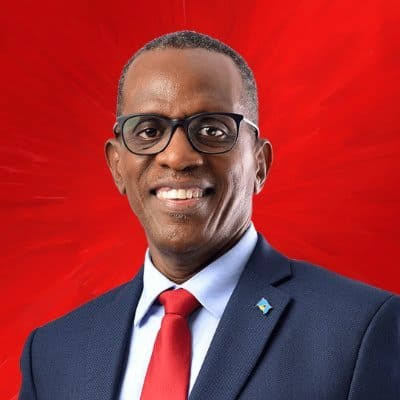
CARICOM chair renews reparations demand
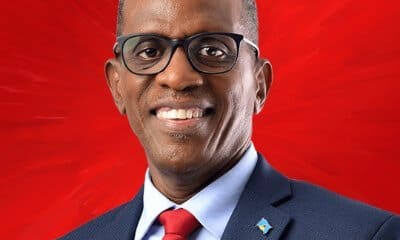
Chairman of the Caribbean Community, CARICOM and Prime Minister of Saint Lucia, Philip J. Pierre, has renewed the region’s call for reparatory justice, insisting that emancipation remains incomplete without economic freedom, opportunity and social justice.
In his Emancipation Day 2026 message, Pierre said freedom was won through the courage and sacrifice of enslaved Africans whose struggle laid the foundation for today’s Caribbean societies.
He noted, however, that the abolition of slavery did not end injustice, as formerly enslaved people entered freedom without land, wealth or compensation, while those who benefited from slavery prospered.
Pierre maintained that the Caribbean’s pursuit of reparations was not driven by revenge but by the search for truth and justice, describing it as part of the region’s unfinished journey towards genuine emancipation.
He urged Caribbean governments to create stronger economies by supporting entrepreneurship, agriculture, food security, clean energy and youth development, saying political independence must be matched with economic empowerment.
The CARICOM chairman also called on citizens across the region to honour their ancestors by building more united, prosperous and inclusive societies capable of securing lasting freedom for future generations.


EDITORIAL: Tackling Poverty in Africa

Spain battles political fallout as 60,000 migrants overwhelm Ceuta border

Hamas agrees to disarm as Gaza withdrawal deal gains momentum

Pastor Jerry Eze Defends Miracles At UK Conference Amidst Criticism And Controversy

Diaspora Watch 20th Edition (October 14-20, 2024): Your Trusted Source for Global News and Insights

Tanzanian Man Reportedly Dies And Returns To Life Six Times


-
 Milestone6 days ago
Nigerian bags HVAC Engineering degree in US, lands full-time job
-
 News6 days ago
CARICOM chair renews reparations demand
-
 Analysis6 days ago
Obasanjo, Atiku and the Burden of Broken Trust, by Alabidun Shuaib AbdulRahman
-
 Analysis6 days ago
Lessons from the Catholic Bishops’ Visit to Tinubu, by Boniface Ihiasota
-
 News6 days ago
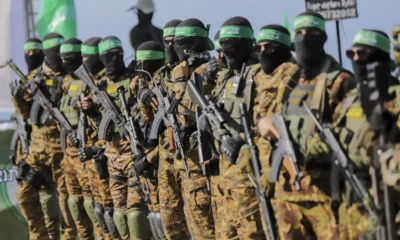
Hamas agrees to disarm as Gaza withdrawal deal gains momentum
-
 Opinion6 days ago
EDITORIAL: Tackling Poverty in Africa