
News
CARICOM Hails Peaceful, Credible Conduct of Saint Lucia General Elections

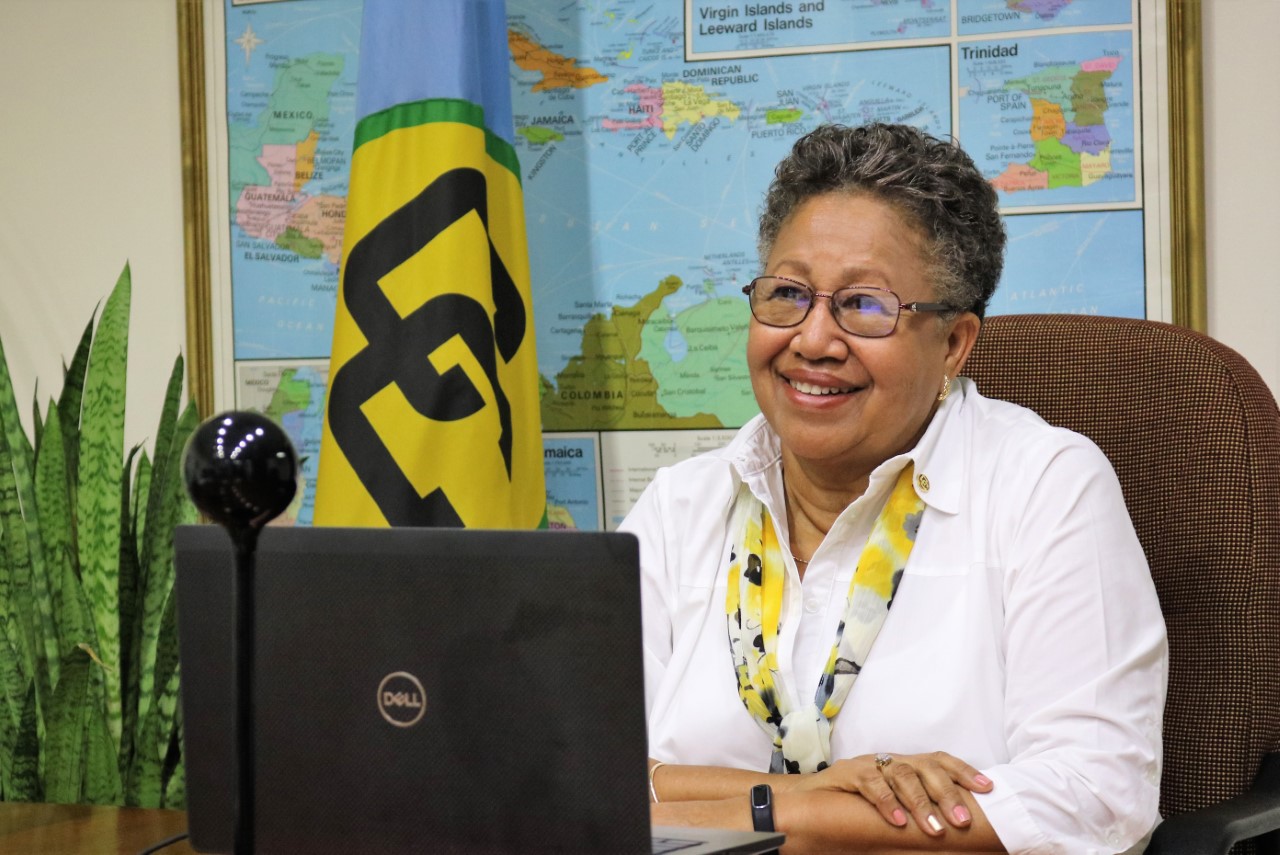
CARICOM Hails Peaceful, Credible Conduct of Saint Lucia General Elections
The Caribbean Community (CARICOM) has praised the peaceful and transparent conduct of Saint Lucia’s 1 December 2025 General Elections, following the deployment of an 11-member Election Observation Mission (CEOM) invited by the government of the island nation.
Led by Chief of Mission, Ian S. Hughes, the team, drawn from nine CARICOM member states including Antigua and Barbuda, The Bahamas, Barbados, Dominica, Grenada, Guyana, Jamaica, Suriname and Trinidad & Tobago arrived in Saint Lucia between 25 and 27 November.
Two officials from the CARICOM Secretariat provided administrative support.
In the days leading up to the vote, the Mission held extensive consultations with key political actors, including Prime Minister Philip J. Pierre of the Saint Lucia Labour Party (SLP), Leader of the Opposition Allen Chastanet of the United Workers Party (UWP), independent candidate Stephenson King, and Commissioner of Police Vern Garde.
The observers also engaged with civil society groups, business leaders, persons with disabilities, and the Saint Lucia Electoral Commission, in a bid to assess the political climate and level of preparedness for the elections.
CARICOM noted that while the campaign period was intense—characterised by fierce debates, policy-focused messaging, and occasional personal attacks—it remained largely peaceful, with no reports of election-related violence.
During the advance poll held on 28 November, the Mission observed long queues and delays caused by the limited number of polling centres available to early voters.
Despite the challenge, all eligible voters in line at the close of polls were able to cast their ballot, ensuring no disenfranchisement.
On Election Day, the CEOM covered 317 polling stations across 14 of the country’s 17 constituencies.
Observers reported orderly openings at 6:30 a.m., with adequate police presence, timely delivery of election materials, and the attendance of political agents from major parties.
Voters were said to have turned out early and in high spirits, contributing to a steady turnout throughout the day.
The Mission described polling officials as well-trained, professional and impartial, noting their courteous assistance to elderly and incapacitated voters.
While some polling stations located on upper floors created accessibility challenges, the process generally proceeded smoothly.
However, electronic data clerks struggled with severe connectivity issues that persisted for most of the day.
The CEOM confirmed that voting, closing and counting procedures were carried out strictly in line with Saint Lucia’s electoral guidelines.
Ballot counting was conducted transparently in the presence of political agents and observers, and results were properly recorded on Statements of Poll before being transported for the official tally scheduled for 2 December.
Overall, CARICOM expressed satisfaction with the conduct of the polls, commending polling staff, political party agents and the police for maintaining order and professionalism.
“It is the Mission’s considered view that the results of the General Election will reflect the will of the people of Saint Lucia,” the CEOM stated, urging citizens to remain calm and patient as they await the official results.
The Mission, which departs Saint Lucia on Wednesday, reaffirmed CARICOM’s commitment to supporting the country’s democratic process.
A final report detailing observations and recommendations is expected to be submitted to the CARICOM Secretary-General, Dr. Carla Barnett, in the coming weeks.

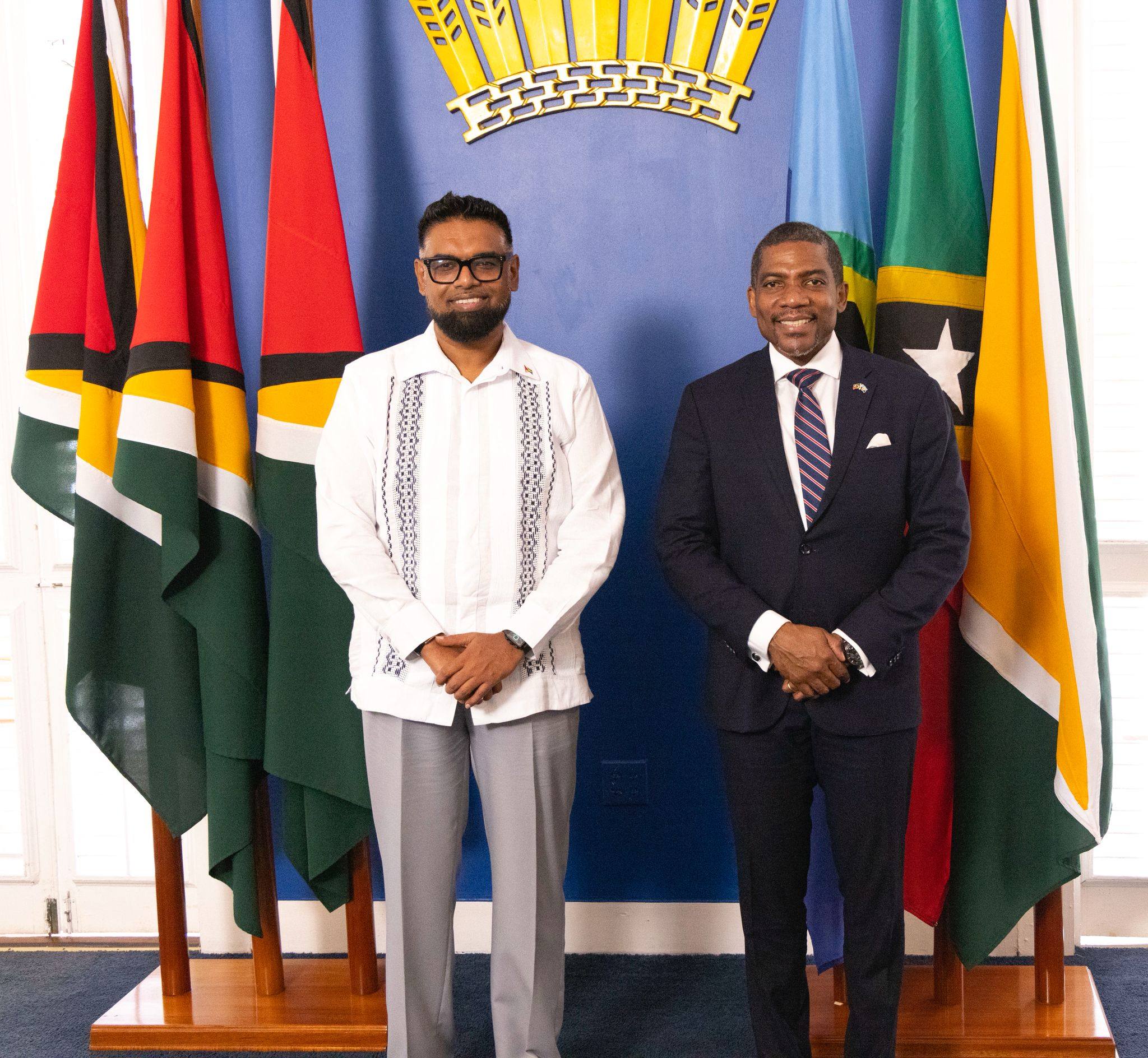
CARICOM Chair Engages Guyana in Fresh Push for Regional Integration
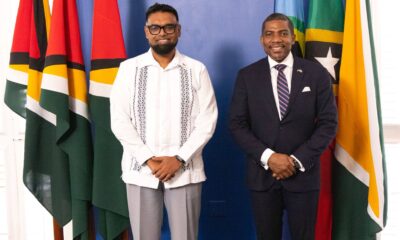
Chairman of the Caribbean Community (CARICOM), Dr. Terrance Drew, has intensified diplomatic consultations ahead of the 50th Regular Meeting of the Conference of Heads of Government, with a high-level visit to Guyana over the weekend.
Dr. Drew, who is also Prime Minister of St. Kitts and Nevis, met with President Dr. Irfaan Ali at the State House in Georgetown on Saturday as part of efforts to consolidate regional consensus before the summit scheduled for February 24 to 27 in St. Kitts and Nevis.
Speaking after the closed-door discussions, Dr. Drew described the engagement as “fruitful,” noting that deliberations centred on strengthening regional integration and advancing shared priorities within the 15-member bloc.
According to him, CARICOM leaders remain committed to deepening cooperation in critical areas including economic resilience, food security, climate action, security collaboration and trade facilitation.
The Guyanese leader, Dr. Ali, was joined by senior government officials and representatives of the Guyana Defence Force during the meeting, underscoring the strategic importance of the talks as regional leaders prepare to chart a common policy direction for the Caribbean Community.
Dr. Drew’s visit to Georgetown forms part of his broader diplomatic outreach since assuming the rotating chairmanship of CARICOM.
In recent weeks, he has held consultations with several Heads of Government across the region to harmonise positions ahead of the milestone 50th meeting.
Among those he has engaged are Prime Minister Dr. Godwin Friday of St. Vincent and the Grenadines, Prime Minister Gaston Browne of Antigua and Barbuda, Prime Minister Kamla Persad-Bissessar of Trinidad and Tobago, Prime Minister Roosevelt Skerrit of Dominica, Prime Minister Dickon Mitchell of Grenada, Prime Minister Philip Davis of The Bahamas, Prime Minister Andrew Holness of Jamaica, and Prime Minister Mia Mottley of Barbados.
The 50th Regular Meeting of the Conference of Heads of Government is expected to review progress on the CARICOM Single Market and Economy (CSME), regional security cooperation, sustainable development strategies and the bloc’s collective response to global economic pressures.
The summit in St. Kitts and Nevis is also expected to set the tone for the Community’s policy direction in 2026, with leaders anticipated to adopt key resolutions aimed at accelerating regional integration and strengthening institutional coordination across member states.
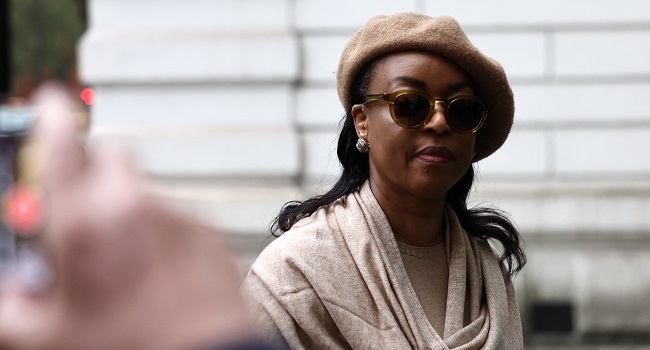
UK Court Hears Recordings in Diezani Bribery Trial
A UK court has heard secretly recorded conversations in which a former Nigerian Minister of Petroleum Resources, Diezani Alison-Madueke, allegedly confronted two oil businessmen accused of bankrolling her luxury lifestyle in exchange for lucrative contracts.
At Southwark Crown Court in London, prosecutors played audio files recovered from a Samsung phone seized during Alison-Madueke’s arrest in 2015.
The recordings, made in 2014, captured conversations between the 65-year-old former minister and oil magnates Olajide Omokore and Kolawole Aluko.
Alison-Madueke denies five counts of accepting bribes and one count of conspiracy to commit bribery.
Prosecutors allege she was provided with “a life of luxury” in the United Kingdom by individuals seeking favourable oil contracts from the Nigerian government during her tenure as petroleum minister between 2010 and 2015.
Omokore and Aluko are not standing trial, but are said to have paid bribes during that period.
In one recording from April 2014, Alison-Madueke was heard confronting Omokore over claims that his wife was spreading information that could implicate her.
“We who are managing the thing have kept quiet… while people like your wife are busy singing all over the place,” she said, adding: “I do not react well to being blackmailed.”
A second recording, made a month later during a meeting with Aluko, captured the former minister criticising what she described as his “lavish, lascivious lifestyle,” warning it was drawing unwanted public attention.
She referenced his associations with high-profile figures, including British supermodel Naomi Campbell, cautioning that such displays were ill-timed.
“As far as everybody’s concerned, you’re a playboy,” she said, warning that intelligence agencies could begin monitoring him because of his conduct and asset acquisitions.
In the audio played to the court, Alison-Madueke expressed anger over suggestions that either man possessed damaging information about her.
“I will be happy to escort all of you to jail along with myself,” she declared. “When it comes to that, I will come out and tell the Nigerian people this is what happened.”
Aluko was heard denying mentioning her name and told the former minister he had placed materials in a safety deposit box that could “save me from jail,” describing himself as flawed but “loyal like a dog.”
Defence counsel previously told the court that Alison-Madueke neither requested nor received financial benefits from the businessmen, noting that they have not been charged or extradited in the matter.
Also standing trial is oil executive Olatimbo Ayinde, 54, who denies one count of bribery relating to Alison-Madueke and another of bribing a foreign public official.
Alison-Madueke’s brother, Doye Agama, 69, a former bishop, also denies a charge of conspiracy to commit bribery.
The trial continues.
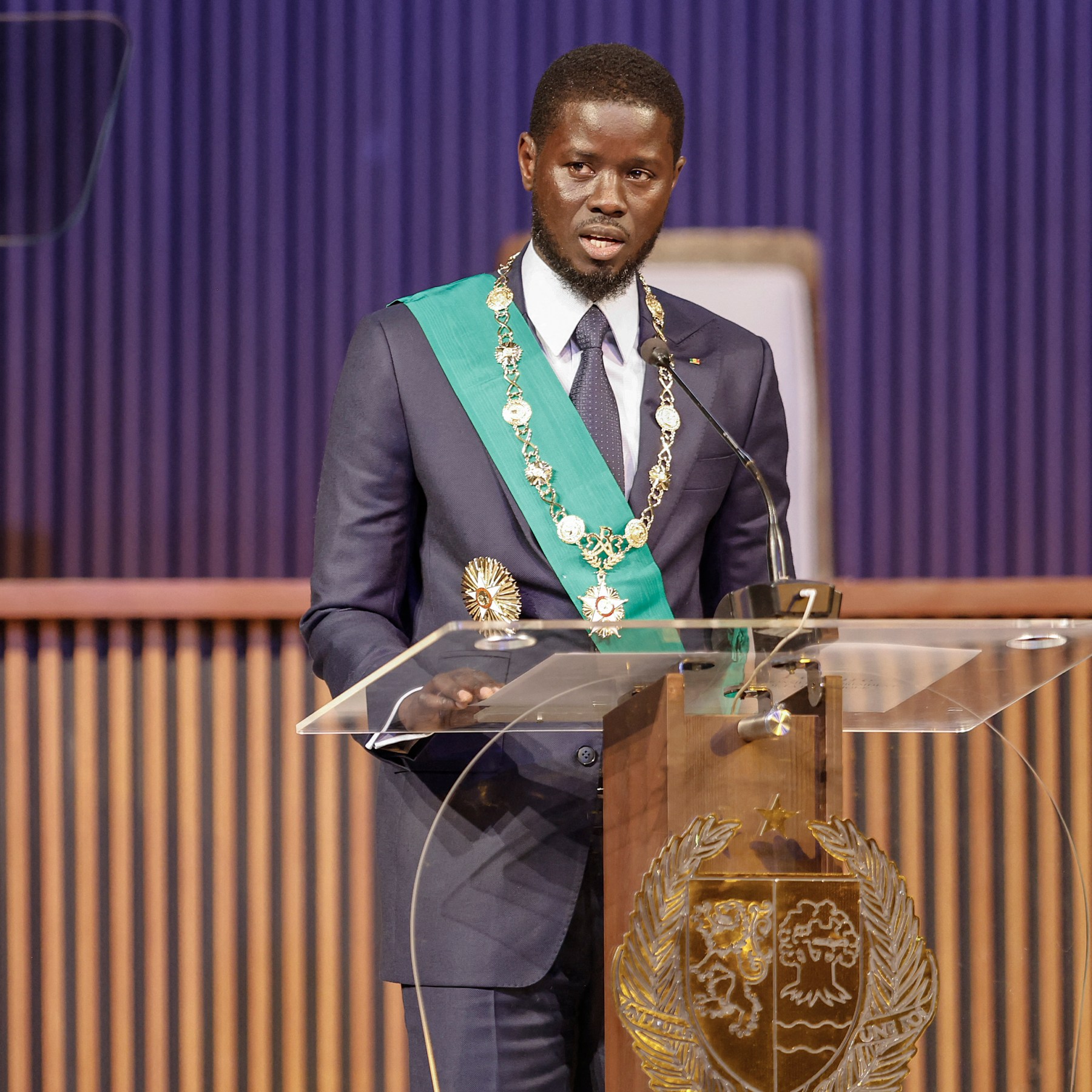
Senegal Moves to Raise Jail Term for Same-Sex Relations to 10 Years
Senegal’s Prime Minister, Ousmane Sonko, has introduced a bill seeking to double the maximum prison sentence for same-sex relations to 10 years, amid a wave of recent arrests under the country’s existing anti-LGBT laws.
The proposed legislation, approved by the cabinet last week and transmitted to parliament on Tuesday, prescribes prison terms ranging from five to 10 years for what it describes as “acts against nature,” up from the current one- to five-year penalty.
Addressing lawmakers, Sonko said the maximum punishment would apply where the offence involves a minor.
The draft law also defines any sexual conduct between two people of the same sex as an “act against nature.”
In addition, the bill proposes prison terms of three to seven years for individuals found guilty of promoting or advocating same-sex relations.
It also outlines separate sanctions for those who accuse others of homosexuality without proof.
Convicted persons could face fines of up to 10 million CFA francs (approximately $18,000 or £13,000), according to the prime minister, who noted that the offence would remain classified as a misdemeanour under the revised law.
The move follows heightened enforcement actions. Earlier this month, police detained at least 12 men, including two public figures and a prominent journalist, under anti-LGBT provisions.
Local media reports indicate that about 30 people have been arrested in total this month.
Although no date has yet been announced for parliament to debate and vote on the bill. However, the legislature is controlled by Sonko’s Pastef party.
Several African countries have enacted similar measures in recent years. In September 2025, Burkina Faso’s transitional parliament approved legislation banning homosexual acts, following similar steps taken by Mali in 2024.
In 2023, Uganda passed some of the world’s toughest anti-homosexuality laws, including provisions allowing the death penalty for certain same-sex acts.


CARICOM Chair Engages Guyana in Fresh Push for Regional Integration

Savannah Shield and the Security Recalibration of Kwara State

Who Is After Peter Obi? By Boniface Ihiasota

Pastor Jerry Eze Defends Miracles At UK Conference Amidst Criticism And Controversy

Diaspora Watch 20th Edition (October 14-20, 2024): Your Trusted Source for Global News and Insights

Tanzanian Man Reportedly Dies And Returns To Life Six Times


-
 News3 days ago
Trump Hails ‘Turnaround for the Ages’ in Record 110-Minute Address
-
 Analysis3 days ago
Savannah Shield and the Security Recalibration of Kwara State
-
 News3 days ago
Mexico in Turmoil After CJNG Kingpin Killed in Military Operation
-
 Analysis3 days ago
Who Is After Peter Obi? By Boniface Ihiasota
-
 News3 days ago
CARICOM Chair Engages Guyana in Fresh Push for Regional Integration
-

 News3 days ago
UK Court Hears Recordings in Diezani Bribery Trial