
Analysis
Tinubu’s Policy Somersaults and the Search for Economic Direction

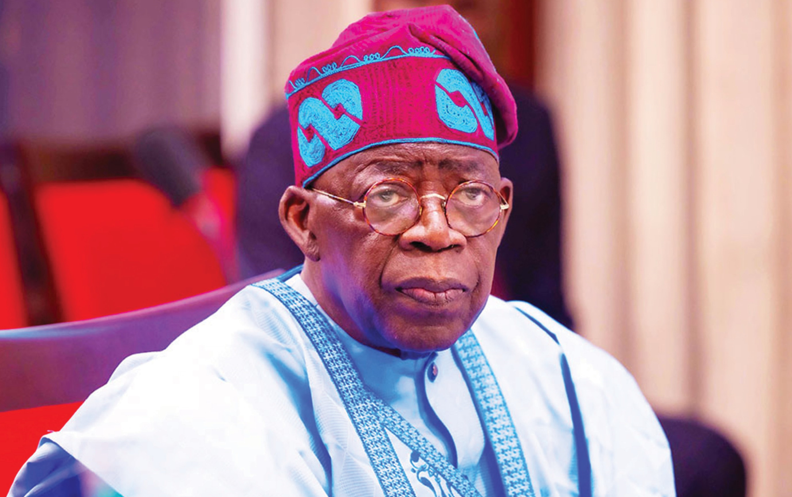
Tinubu’s Policy Somersaults and the Search for Economic Direction
By Alabidun Shuaib AbdulRahman
When President Bola Ahmed Tinubu declared “subsidy is gone” on May 29, 2023, he triggered not just applause but also anxiety. The bold announcement, made even before he settled into office, set off a chain reaction that would define his presidency. Nearly 17 months later, what stands out is not just the courage of his decisions but the inconsistency of their execution, a troubling pattern of policy somersaults that have left Nigeria’s economy oscillating between reform and relapse.
The Tinubu administration came into power on the promise of bold economic transformation. It pledged to end wasteful subsidies, unify the exchange rate, overhaul the tax system, and attract investment. Yet, the implementation of these policies has often been marked by haste, reversals, and contradictions, leaving citizens to bear the brunt of experimentation without a clear safety net.
Few policies have shaped the Tinubu era like the removal of fuel subsidy. The logic was sound: the Nigerian government spent over ₦4.7 trillion on subsidies in 2022 alone, according to the Nigeria Extractive Industries Transparency Initiative (NEITI), making it more than the federal budgets for health and education combined. Eliminating it, Tinubu argued, would free up funds for infrastructure and development.
However, the rollout was chaotic. Within weeks, the average petrol price jumped from below ₦200 per litre to ₦617 at major Nigerian National Petroleum Company Limited (NNPCL) stations by July 2023. The National Bureau of Statistics (NBS) later confirmed that the average national retail price surged from ₦238.11 per litre in May 2023 to ₦626.21 by September 2023 — a 226 percent increase in just four months.
By May 2024, NBS data showed another spike, with petrol averaging ₦769.62 per litre nationwide, and even higher in states like Taraba and Rivers. In some private stations in Lagos and Ibadan, prices exceeded ₦850 per litre by late 2024.
The economic consequences were immediate. Transport costs tripled, food inflation soared, and small businesses struggled to survive. What made matters worse was the creeping suspicion that the government had quietly reintroduced a “hidden subsidy.” Independent data from industry analysts revealed that as of mid-2024, the landing cost of petrol was about ₦1,200 per litre, yet it sold for roughly ₦700, suggesting that the federal government was once again absorbing part of the cost.
This backdoor return of subsidy, after its public burial, unapologetically exposed a policy contradiction. The administration that prided itself on fiscal discipline was once again subsidizing consumption, this time without transparency.
Again, Tinubu’s decision to unify the exchange rate and allow the naira to float was meant to end years of distortion in Nigeria’s foreign exchange market. In June 2023, the Central Bank of Nigeria (CBN) merged multiple exchange windows, and the naira initially traded at around ₦750 per dollar.
But the reform quickly turned into a free fall. By September 2024, the naira had tumbled to over ₦1,600 per dollar in the parallel market. In October 2025, Reuters reported it hovering between ₦1,455 and ₦1,475 at the official Investors and Exporters window, a sign that despite the “float,” the CBN had resumed active interventions.
The result was predictable: imported goods became unaffordable, inflation climbed above 30 percent, and investor confidence weakened. Nigeria’s inflation officially stood at 24.23 percent in March 2025, according to the NBS, but food inflation was far higher, eroding household purchasing power.
The policy’s intent to attract foreign inflows was lost amid uncertainty. Businesses couldn’t plan; manufacturers couldn’t price goods; and citizens, already hit by petrol costs, faced a depreciating currency that made survival harder by the month.
Also, in a bid to expand revenue, the Tinubu government launched an ambitious tax reform agenda, establishing the Presidential Committee on Fiscal Policy and Tax Reforms led by Taiwo Oyedele. The committee’s work was well-received, projecting an effort to simplify Nigeria’s complex tax regime and improve collection efficiency.
But at the same time, the government and its agencies imposed new taxes and levies that contradicted the reform spirit. Excise duties on beverages increased, Customs raised import tariffs, and several states introduced new consumption taxes. Manufacturers, already reeling from exchange-rate pressures and high energy costs, began to shut down or relocate.
The Manufacturers Association of Nigeria (MAN) warned in mid-2024 that over 30 percent of its members were operating below capacity, citing rising input costs and multiple taxation. The government’s short-term revenue drive, critics argue, is strangling the very industries that could generate sustainable growth.
Furthermore, in April 2024, the government approved an electricity tariff hike for “Band A” customers, from ₦68 to ₦225 per kilowatt hour, claiming it affected only those receiving at least 20 hours of power daily. But within weeks, public outcry forced a partial reversal. The Minister of Power, Adebayo Adelabu, and the regulatory commission issued conflicting statements, leaving investors uncertain and consumers angry.
The pattern was similar in labour relations. After months of delay, negotiations for a new minimum wage ended in confusion. A proposed ₦70,000 wage was announced, withdrawn, and then reintroduced and yet to be fully implemented across. Each cycle of promise and reversal erodes credibility and deepens public frustration.
To cushion the subsidy shock, the federal government announced a ₦500 billion palliative package, including cash transfers and food distribution. But implementation was chaotic. Governors disagreed on sharing formulas, distribution was politicized, and many citizens reported being left out.
Similarly, the much-publicized student loan scheme, initially announced for September 2023 was delayed for nearly a year, suspended, then relaunched in mid-2024. The repeated stop-start pattern has become emblematic of Tinubu’s governance style: bold announcements followed by administrative bottlenecks.
Tinubu’s reform instinct is not the problem; his reform management is. The administration must move from ad hoc responses to structured execution. Nigeria cannot afford further policy confusion; stability and clarity must now define governance.
First, the President should rebuild coordination within his economic team. The CBN, Ministry of Finance, and Budget Office must speak with one voice. Economic policy cannot thrive when officials contradict one another.
Second, transparency must replace opacity. Nigerians deserve to know how much is spent on fuel subsidy, how forex is allocated, and how palliatives are distributed. Publishing monthly reports on fiscal and monetary interventions would restore trust.
Third, government must prioritize production over taxation. Incentivize manufacturing, reduce energy bottlenecks, and support SMEs through credit facilities. Expanding the economy’s productive base will yield more revenue than squeezing existing taxpayers.
Fourth, social protection needs reengineering. Palliatives should be digital, data-driven, and corruption-proof. The student loan scheme must be managed transparently, not politicized. The poor cannot remain collateral damage in every policy transition.
Finally, President Tinubu must embrace patience. Sustainable reform is not achieved through shock therapy but through gradual, sequenced policies backed by strong institutions. The temptation to reverse decisions under pressure should give way to evidence-based adjustments.
Alabidun is the Editor of Diaspora Watch Newspapers and can be reached via alabidungoldenson@gmail.com









Examining Nigeria’s Health System and Preventable Deaths, by Alabidun Shuaib AbdulRahman
My last week’s column, ‘The Agony of a Columnist,’ was written from a place I never expected to occupy. It was not an attempt at catharsis, nor was it designed to elicit sympathy. It was simply an account of what happened when a citizen encountered the Nigerian healthcare system at its most critical moment and found it wanting. The death of my eight-month-old daughter occurred within a public hospital that, on paper, appeared functional. What followed exposed a gap between appearance and capacity that deserves closer scrutiny rather than sentiment.
This week’s column is broader. It is about structure, policy, and outcomes. It is about what the data says and what lived experience confirms about the state of healthcare delivery in Nigeria, a system that reflects not only underperformance but failure at its most consequential moments.
Considering another recent case that captured national attention, that of Ifunanya Lucy Nwangene, a 25-year-old Abuja-based singer who was bitten by a cobra in her home. She sought emergency care immediately, moving from one health facility to another, and struggled to obtain antivenom and appropriate treatment before it was too late.
Accounts vary on the specifics, but the tragedy is indisputable. Her death, amid circumstances that could have been preventable, echoes the avoidable loss of my own child and reflects the same systemic weaknesses that place ordinary citizens at risk every day. Reports indicate that approximately half of Nigerian hospitals lack the capacity to manage snakebite cases effectively and that nearly all facilities experience difficulties in administering antivenom, the only treatment recognized by the World Health Organization for venomous bites. Such deficits in treatment capacity, emergency response, essential medicines, and clinical training are not anomalies; they are the predictable outcome of chronic systemic weakness.
Nigeria’s healthcare system is structured across primary, secondary, and tertiary levels. According to the latest facility registry data, there are roughly thirty-eight thousand six hundred forty-five operational health facilities nationwide, a figure that includes both public and private establishments, translating to approximately eleven facilities per one hundred thousand people in a population exceeding two hundred and twenty million. Primary care facilities account for nearly eighty-eight per cent of all facilities, secondary care roughly twelve per cent, and tertiary facilities less than one per cent.
On paper, the distribution seems extensive, but quantity does not equal quality or functionality. The majority of primary healthcare centers, which form the first line of defence, are unable to deliver essential services consistently due to shortages of trained personnel, drugs, water, power, and equipment. Only about twenty per cent of primary facilities are considered fully functional, leaving millions of Nigerians dependent on emergency care that is often delayed or unavailable.
Health outcomes are determined by human resources as much as infrastructure, yet Nigeria’s health workforce is severely strained. The doctor-to-population ratio remains well below the World Health Organization’s recommended threshold of one doctor per six hundred people, with practical estimates ranging from one doctor per four thousand to one per five thousand citizens, and some areas experiencing ratios as low as one per nine thousand eight hundred.
Nurses and midwives are similarly scarce and unevenly distributed, favoring urban centers over rural and peri-urban areas. Absenteeism and burnout are systemic risks exacerbated by poor remuneration, unsafe working conditions, and limited career progression. The migration of trained health professionals abroad not only represents a loss of public investment but reduces the system’s capacity to respond to emergencies, increasing the likelihood that predictable crises result in preventable deaths.
Funding is a primary driver of these gaps. Nigeria is a signatory to the 2001 Abuja Declaration, committing to allocate at least fifteen per cent of annual budgets to health, yet the highest allocation recorded in any year remains below six per cent. By comparison, global benchmarks suggest public health spending should constitute at least five per cent of GDP to achieve basic universal health coverage, while Nigeria currently allocates approximately half a per cent. Per capita health expenditure ranges between ten and fifteen US dollars annually, which is insufficient to ensure functional hospitals, reliable emergency response, or the availability of essential drugs and equipment.
The inadequacy of public funding shifts the burden to households. Out-of-pocket payments account for nearly seventy to seventy-five per cent of total health spending, meaning that patients and families finance care at the point of illness rather than through pooled systems. Less than ten per cent of Nigerians are covered by any functional health insurance, and coverage is largely limited to formal sector employment. As a result, families often delay care, ration treatment, or avoid facilities altogether until conditions deteriorate beyond recovery.
The human consequences of these systemic failures are evident in national health indicators. Nigeria continues to have one of the highest maternal mortality ratios in the world, exceeding eight hundred deaths per one hundred thousand live births, and accounts for approximately twenty per cent of global maternal deaths despite representing less than three per cent of the world population. Infant and under-five mortality remain high, with recent surveys showing roughly sixty-seven deaths per one thousand live births and one hundred and ten per one thousand respectively. Many of these deaths result not from rare or complex conditions but from the inability of the health system to provide timely, skilled intervention for preventable or manageable illnesses. Malaria, pneumonia, childbirth complications, and neonatal distress often escalate into fatalities that could have been avoided had emergency care been available, adequately staffed, and well-supplied.
Infrastructure alone does not solve the problem. Hospitals are renovated, equipment procured, and wards repainted, but functionality depends on staffing, reliable power, water, supply chains, and governance. Electricity supply is particularly critical, as hospitals depend on continuous power for monitoring, oxygen delivery, laboratory diagnostics, and refrigeration of vaccines and essential medicines. Yet many facilities rely on intermittent generators with uncertain fuel supply, leaving patients exposed to system failures that no renovation or new building can correct.
Primary healthcare centers, despite their numbers, are frequently unable to provide preventive and early intervention services, meaning that conditions that should be addressed at the community level escalate to secondary facilities that themselves are overstretched.
Accountability within the health system is diffuse. Budget allocations are announced, but utilization and outcomes are weakly monitored. Staffing requirements are often unmet, and enforcement is inconsistent. Failures rarely attract consequences proportional to their impact, leaving citizens, including vulnerable infants and young adults, to bear the cost. Hospitals are frequently evaluated on the wrong metrics, such as bed count or physical infrastructure, rather than whether care is actually delivered. Time-sensitive emergencies cannot wait for policy announcements or cosmetic compliance; delays and absenteeism in these circumstances are measured in lives lost.
Both my personal experience and the case of the young singer illustrate these realities. My daughter was taken to Suleja General Hospital where initial symptoms did not appear severe, yet she required urgent intervention. Medical review was delayed, oxygen was administered without a definitive diagnosis or treatment plan, and a requested transfer to another facility was not effected in time. In the singer’s case, urgent antivenom administration was critical to survival, yet the system’s gaps prevented timely care, and the result was fatal. These outcomes are not anomalies; they are predictable expressions of systemic failure.
Nigeria does not lack reform frameworks. Initiatives exist to revitalize primary healthcare, expand health insurance, and improve maternal and child health outcomes. Some interventions have produced measurable gains in targeted areas, but they remain uneven and insufficiently scaled, often undermined by governance failures and weak operational oversight. The result is a system that prioritizes form over function, presenting the appearance of readiness while leaving emergency response and routine care vulnerable to failure. The consequences are borne not by policy-makers or administrators, but by citizens whose lives hang in the balance.
The purpose of revisiting last week’s column is not to relive personal grief but to insist on institutional reflection. Every preventable death, whether of a child in a public hospital or a young adult succumbing to a snakebite or otherwise, represents a failure of policy, funding, and governance. Healthcare is not an area where delays, absenteeism, or cosmetic compliance can be absorbed without consequence. Systems either respond, or they fail. In Nigeria, the record shows repeated, predictable failures. Mortality data, budget analyses, facility assessments, and lived experience all converge to the same conclusion: when the health system is tested, it often cannot deliver.
The crisis is visible, documented, and persistent. Nigeria’s hospitals function intermittently, supply chains are fragile, essential medicines are inconsistently available, and health workers are overstretched. Until outcomes, rather than infrastructure announcements, become the primary measure of success, preventable deaths will continue.
Tragically, the cost is measured not only in statistics but in lives that could have been saved. My daughter’s loss was personal, and the death of Ifunanya Nwangene was public. Both expose the same reality: a healthcare system that cannot guarantee timely, competent response in emergencies is not merely underperforming; it is failing its most fundamental obligation.
The reality requires less rhetoric and more reform, less emphasis on appearances and more attention to function. Budget allocations must be credible and linked to measurable outcomes, staffing requirements must be enforced, essential medicines and equipment must be reliably supplied, and emergency systems must be consistently operational. Until these conditions are met, Nigeria will continue to produce tragic but predictable stories of lives lost to systemic weakness, and citizens will continue to confront a healthcare system that appears reassuring until it is tested at its most critical moments.
Nigeria, the Coup Question and the Burden of History, by Boniface Ihiasota
For Nigerians in the diaspora, the confirmation of a foiled coup attempt against the administration of President Bola Ahmed Tinubu is both disturbing and deeply unsettling. It is the kind of news that instantly revives memories many hoped had been permanently buried—years of interrupted democratic journeys, military decrees, suspended freedoms and national stagnation. That the military high command has now acknowledged that some officers are under investigation for alleged plotting only reinforces a painful truth: democracy must be constantly guarded, even decades after its restoration.
Nigeria’s long encounter with military rule gives special gravity to any suggestion of unconstitutional ambition within the armed forces. From afar, where Nigeria’s progress is often measured against global democratic benchmarks, the very word “coup” carries an ugly resonance. It recalls an era when power was seized, not earned; when institutions were weakened rather than strengthened; and when ordinary citizens bore the brunt of elite recklessness. Against this background, the assurance by Defence Headquarters that implicated officers will face trial under the Armed Forces Act is appropriate and necessary. In a constitutional democracy, there can be no justification for mutiny, armed insurrection or any conduct that undermines civilian authority.
However, the handling of information surrounding this incident leaves much to be desired. Weeks of denial and silence before official confirmation created a vacuum quickly filled by rumours, speculation and anxiety. For Nigerians abroad—already sensitive to how instability at home affects the country’s image, investment prospects and diplomatic credibility—this lack of clarity was troubling. Transparency is not merely a public relations tool; it is a democratic responsibility. Investigations must be rigorous, evidence-driven and insulated from political interference if public confidence is to be restored.
It is equally important to draw a firm line between legitimate political opposition and criminal conduct. Democracies function on debate, dissent and accountability. Public criticism of government policies, especially amid rising economic pressures, does not amount to subversion. The Tinubu administration must therefore avoid politicising the matter or using it to blur the distinction between lawful opposition and professional misconduct within the armed forces. To do otherwise would risk eroding democratic norms in the name of protecting them.
The broader continental climate makes the situation even more delicate. Across parts of Africa, democratic reversals have become alarmingly frequent. Military takeovers in Niger, Mali, Burkina Faso, Guinea and Chad—often justified by insecurity, economic hardship or governance failures—have reshaped the region’s political landscape. These developments explain why reports of a coup attempt in Nigeria last year triggered immediate concern. Nigeria is not just another country; it is a regional anchor. Any disruption to its democratic order would send shockwaves across West Africa and beyond.
From the diaspora perspective, a military intervention in Nigeria would represent a catastrophic setback. It would undo the gains of the past 26 years of uninterrupted civil rule and jeopardise the future of a country still striving to consolidate its democratic institutions. It would also complicate Nigeria’s international relationships, weaken investor confidence and further strain an already fragile economy. Above all, it would betray the expectations of millions of young Nigerians who have grown up under civilian government and demand better governance, not authoritarian detours.
The armed forces, therefore, must remain focused on their core constitutional duties. Nigeria is confronted by multiple security challenges: Boko Haram and ISWAP insurgencies, banditry, militancy and other forms of organised criminality. These threats require professionalism, discipline and unity—not political adventurism. Any internal distraction weakens the military’s capacity and emboldens non-state actors who thrive on instability.
Yet, responsibility does not rest with the military alone. History shows that while coups never offer lasting solutions, they often emerge in environments marked by economic distress, weak institutions and public disillusionment. From outside the country, where Nigerians observe governance systems that deliver basic services and social protection, the lesson is clear: leaders must be responsive and accountable. Addressing inflation, unemployment and poverty is not only an economic necessity; it is also a democratic imperative.
Equally important is the careful management of public communication. The military and the government must ensure that information relating to the alleged coup attempt is handled in a way that reassures citizens and investors alike. Alarmist narratives or vague statements risk portraying the state as fragile and insecure, which benefits neither democracy nor national cohesion.
Finally, the military high command must intensify efforts to shield its officers from civilian and political inducement. Coups rarely succeed without external encouragement. Officers must be constantly reminded of the grave consequences of unconstitutional actions and the primacy of national interest over personal ambition. At the same time, sustained funding, modern equipment and continuous training are essential to maintaining professionalism and morale within the ranks.
Now That Nigeria Has a U.S. Ambassador-Designate, by Boniface Ihiasota
In December 2025, Nigeria’s Senate confirmed Lateef Kayode Are as the ambassador-designate, only that where he will be posted to was unknown. Just a few days ago, President Bola Ahmed Tinubu through his spokesperson, Bayo Onanuga announced that he would be posted to the United States of America, ending a prolonged leadership vacuum across major Nigerian diplomatic missions.
For Nigerians living in the diaspora, particularly in the U.S., this development carries significant political, economic and strategic implications. The absence of a substantive ambassador in Washington, D.C., for more than two years had not only weakened Nigeria’s official voice in U.S. policy circles but also limited high-level advocacy on issues directly affecting Nigerians abroad—from visa policies to trade and investment ties.
Nigerians in the United States form one of the largest African-born communities in the country. Official data indicates roughly 393,000 foreign-born Nigerians reside in the U.S., making them one of the most educated and professionally active diaspora groups. Over 60 % hold bachelor’s degrees or higher, with many working in healthcare, technology, education and finance.
Other estimates suggest the broader Nigerian diaspora in the U.S. might be closer to 750,000 people, when including Nigeria-born and U.S.-born descendants who actively engage in both nations’ social, cultural and economic life. This community is not just a demographic cluster; it is a powerful reservoir of expertise and networks that can bridge the two countries.
Economically, the Nigerian diaspora plays a crucial role in Nigeria’s foreign exchange earnings. In 2024, official remittances from Nigerians abroad reached $20.93 billion, more than four times the value of Foreign Direct Investment (FDI) into the country during the same period. Such remittance flows are second only to crude oil in terms of foreign exchange inflow and accounted for a major stabilising support to Nigeria’s external accounts.
Given the scale of these flows, the Nigerian government and its diplomatic mission must pay greater attention to policies that make remitting easier, safer and more cost-effective. Recent discussions in the U.S. about proposed taxes on remittances to countries like Nigeria signalled potential challenges to these inflows, underlining the need for strong diplomatic engagement to protect economic interests.
In addition to remittances, U.S.–Nigeria bilateral trade remains robust, with total trade estimated at around $13 billion. This figure reflects deep economic interdependence—American energy firms, technology companies, and investors have interests in Nigeria’s energy and digital sectors, while Nigerian exports continue to find strong markets in the U.S.
Diplomacy is more than numbers. With a resident ambassador, Nigeria can more effectively advance strategic interests in areas such as education exchanges, technology partnerships, and security cooperation. The U.S.–Nigeria relationship already includes formal mechanisms like the U.S.–Nigeria Binational Commission (BNC) and the Commercial and Investment Dialogue, which cover development, governance, and economic opportunities.
A permanent ambassador strengthens Nigeria’s hand in these dialogues and ensures that policy decisions made in Washington reflect an accurate picture of Nigeria’s realities and priorities. This matters especially in areas like visa policies, professional mobility, and legal protections for Nigerians living and working in the U.S.
For many Nigerians living abroad, the practical functions of an embassy matter deeply—passport renewals, legal assistance, and consular support in times of crisis hinge on a mission that has the authority and clout to act. A long-standing absence of an ambassador meant that much of this work was handled by chargés d’affaires who lack the full mandate to negotiate broader policy solutions.
Having a full ambassador provides continuity, visibility, and influence. It reassures diasporans that their government cares about their welfare and is committed to protecting their rights and contributions in the host country.
Beyond services, the diaspora wants a Nigerian foreign policy that sees them as partners in development, not just sources of remittances or cultural ambassadors. Nigerians in the U.S. are entrepreneurs, researchers, policymakers, and educators who invest not just money but ideas back home. The new ambassador should leverage that intellectual capital and help create channels through which diaspora skills and networks can be systematically integrated into Nigeria’s economic and technological growth agenda.
Now that Nigeria has a U.S. ambassador-designate, it must shift from symbolic representation to strategic engagement. The ambassador must be visible, accessible and proactive—bringing diaspora voices into policy conversations, advocating for fair treatment of Nigerians abroad, and expanding economic and cultural ties that benefit both nations.
For the diaspora, this appointment is not just good news—it is an opportunity to deepen influence, strengthen identity, and build bridges that realize the promise of a more dynamic Nigeria on the world stage.


Diaspora Watch Vol. 81

Examining Nigeria’s Health System and Preventable Deaths, by Alabidun Shuaib AbdulRahman

Chief Chukwuma Johnbosco and the Making of a Purpose-Driven Leader

Pastor Jerry Eze Defends Miracles At UK Conference Amidst Criticism And Controversy

Diaspora Watch 20th Edition (October 14-20, 2024): Your Trusted Source for Global News and Insights

Tanzanian Man Reportedly Dies And Returns To Life Six Times


-
 Milestone4 days ago
Chief Chukwuma Johnbosco and the Making of a Purpose-Driven Leader
-
 News4 days ago
US Sends Troops to Nigeria Over Rising Terror Threats
-

 Sports5 days ago
Ex-Sri Lanka Star Jayasuriya Named in USA Squad for T20 World Cup
-

 Sports5 days ago
Lens Edge Le Havre to Reclaim Ligue 1 Top Spot
-

 Sports5 days ago
Justin Rose Sets 36-Hole Record, Opens Four-Shot Lead at Torrey Pines
-
 News4 days ago
Muammar Gaddafi’s Son, Saif al-Islam, Reportedly Shot Dead in Libya