
News
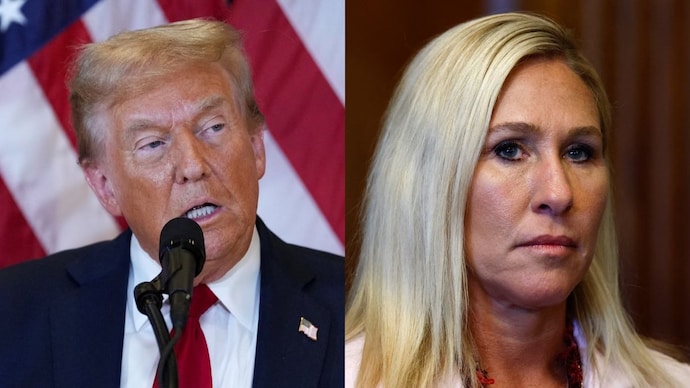
Trump, Greene in Ugly Feud Over Epstein Files

Trump, Greene in Ugly Feud Over Epstein Files
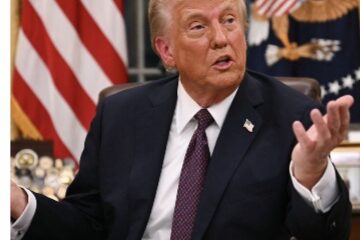
Republican congresswoman, Marjorie Taylor Greene, on Sunday intensified her demand for the public release of all Jeffrey Epstein case files, as her rift with United States President Donald Trump widened following his description of her as a “traitor.”
Greene, who appeared on CNN’s State of the Union, said the president’s recent outbursts against her were dangerous and capable of inciting extremists to target her.
Trump had, on Friday, taken to his Truth Social platform to label the lawmaker “wacky,” a “ranting lunatic,” and someone who “COMPLAINS” incessantly.
“He called me a traitor, and that is extremely wrong. Those are the types of words that can radicalize people against me and put my life in danger,” Greene told anchor Dana Bash.
The controversy between both Republicans has escalated in recent weeks after Greene pushed for the Department of Justice to release all unclassified records tied to the late financier and convicted sex offender, Jeffrey Epstein.
She insisted on Sunday that her disagreement with Trump “has all come down to the Epstein files.”
The House of Representatives is expected to vote this week on the Epstein Files Transparency Act, a bill seeking the release of all relevant DOJ documents, communications, and investigative materials.
Congressman Thomas Massie told ABC News that as many as 100 Republican lawmakers could support the measure.
Epstein, who died in federal custody in 2019, had previously moved in elite social circles, including a friendship with Trump in the early 2000s.
While Trump has consistently denied any wrongdoing, he has faced criticism across party lines over his handling of the case records.
Greene maintained that transparency was necessary. “I believe the country deserves transparency in these files, and I don’t believe rich, powerful people should be protected if they have done anything wrong,” she said.
She questioned why the president was resisting the full release of the files but added that victims had assured her Trump committed no illegal acts.
In a shift from her combative public profile, Greene said she was also committed to lowering the temperature of political rhetoric in the US.
“America needs to come together and end all the toxic divide. I’m leading the way with my own example, and I hope President Trump can do the same,” she said.





Islamabad Talks Collapse: What Next for US-Iran Relations?
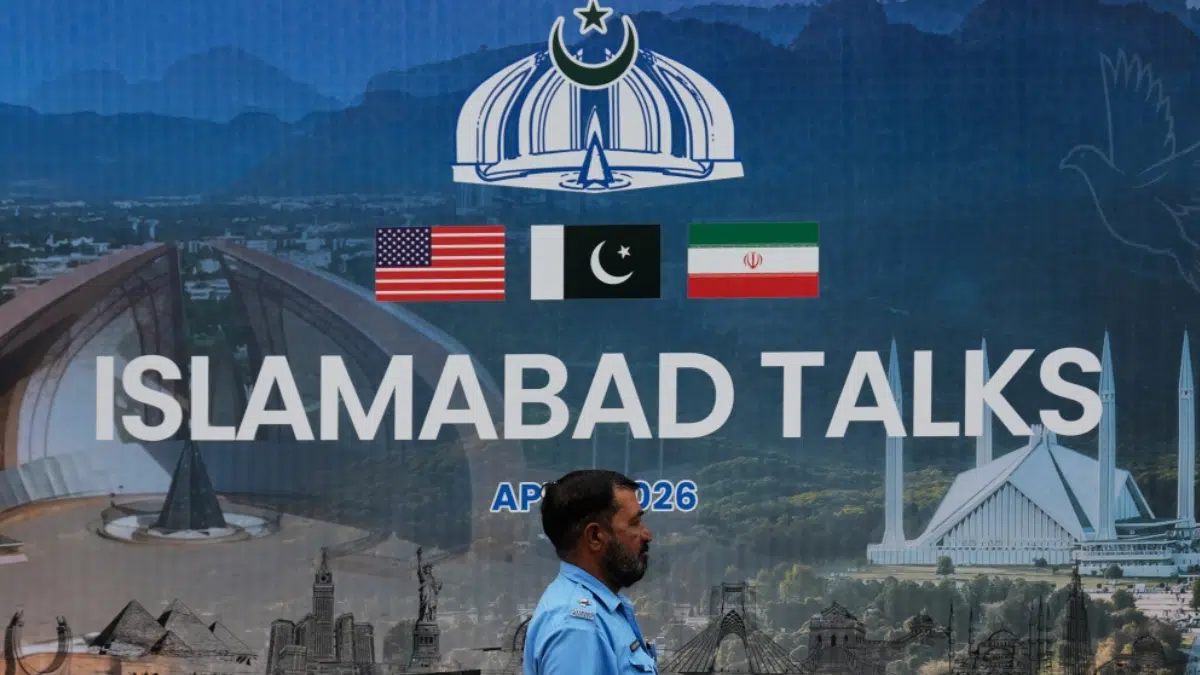
Twenty-one hours of intense negotiations in Islamabad have failed to end 47 years of hostility between the United States and Iran, as high-level talks concluded without a deal, raising fresh concerns over a possible escalation of bombardments in the Middle East.
The marathon meeting, held amid a fragile pause in weeks of conflict, was widely seen as a long shot, given the deep-rooted mistrust and complex disagreements between both sides, particularly over Iran’s nuclear programme and control of the strategic Strait of Hormuz.
Analysts say describing the talks as a failure understates the magnitude of the issues at stake, ranging from longstanding suspicions about Tehran’s nuclear ambitions to the economic disruptions triggered by tensions around the vital global shipping route.
Despite the deadlock, the meeting marked a significant diplomatic shift, as both sides broke a longstanding political taboo by agreeing to sit across the same table, a move that had remained uncertain until hours before the talks began.
The immediate concern now centres on the fate of the tenuous two-week ceasefire that had temporarily eased global fears following threats by US President, Donald Trump, to take drastic military action against Iran.
Although US Vice-President, JD Vance, declared at dawn that Washington had presented its “final and best offer,” reports indicate that informal contacts may have continued even after the official close of the session.
Details of what transpired during the closed-door discussions in a secured Islamabad hotel remain undisclosed, but Vance insisted that the core demand of the US was a firm commitment from Iran to abandon any pursuit of nuclear weapons capability.
Iran, however, maintained its stance, with officials rejecting what they described as “excessive demands,” while reiterating their right to uranium enrichment, even as they signalled a willingness to continue diplomatic engagement.
With both sides leaving the talks convinced of their strategic advantage and unwilling to concede critical positions, the crisis now hangs in the balance, as the international community watches whether Washington will escalate pressure or return to the negotiating table in search of a breakthrough.
War Drums in Gulf as Trump Threatens Strait of Hormuz Shutdown
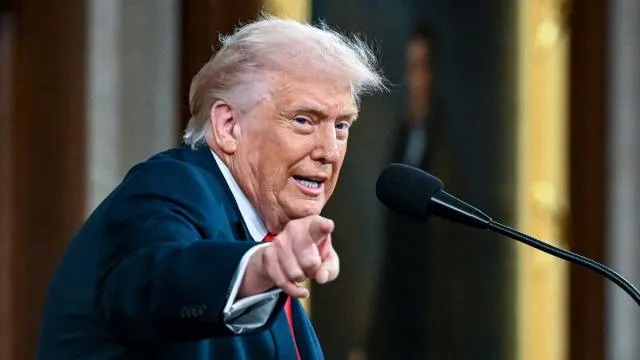
The United States President, Donald Trump, has threatened to impose a naval blockade on the strategic Strait of Hormuz, escalating tensions in the Middle East following the collapse of high-level talks with Iran in Islamabad, Pakistan.
Trump, in a series of posts on his Truth Social platform, declared that the US Navy would “blockade any and all ships” attempting to enter or exit the Strait of Hormuz, a critical global oil transit route through which a significant portion of the world’s energy supply passes.
The hardline stance comes amid the failure of direct negotiations between Washington and Tehran, held in Islamabad, aimed at de-escalating long-standing disputes over Iran’s nuclear programme.
According to Trump, the talks broke down because Iran was “unwilling to give up its nuclear ambitions,” a claim that reaffirms Washington’s continued insistence on curbing Tehran’s nuclear capabilities as a precondition for any deal.
However, Iran pushed back against the US narrative, with its delegation leader accusing Washington of failing to build trust during the prolonged discussions.
The Iranian side maintained that the talks were undermined by what it described as inconsistent US positions and lack of commitment to previous agreements.
The development has left Trump with what analysts describe as a stark binary choice — escalate military pressure or return to the negotiation table.
In a potentially conciliatory tone, Iran’s President, Masoud Pezeshkian, signalled that diplomacy remains possible.
According to Iran’s state broadcaster, Pezeshkian said a deal with the US was “not out of reach,” provided Washington adheres to international law.
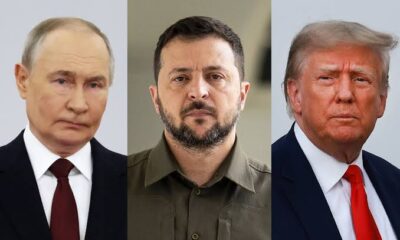
The remarks followed a diplomatic call between Pezeshkian and Russian President, Vladimir Putin, highlighting Moscow’s continued involvement in the geopolitical balancing act surrounding Iran’s nuclear ambitions.
Meanwhile, regional disputes remain on edge as Israel intensifies its military operations in southern Lebanon.
There are also plans for fresh diplomatic engagement, with Israeli and Lebanese officials expected to meet in Washington next week, in what observers see as a parallel effort to stabilise the volatile region.
Despite these diplomatic overtures, reports from Beirut indicate that Israeli strikes in southern Lebanon have persisted, raising concerns about a broader regional conflict.
The Strait of Hormuz, which links the Persian Gulf to the Gulf of Oman, remains a flashpoint in global geopolitics.
Any attempt to blockade the waterway could have far-reaching implications for international trade and energy markets, potentially triggering a surge in oil prices and disrupting supply chains worldwide.


Melania Trump blasts ‘lies’ linking her to Epstein
US First Lady Melania Trump made a surprise statement on Thursday denying any knowledge of Jeffrey Epstein’s abuse, or that she herself was a victim of the convicted sex offender.
The 55-year-old’s rare on-camera remarks at the White House came out of the blue, in an extraordinary intervention in a scandal that has long haunted her husband President Donald Trump.
“The lies linking me with the disgraceful Jeffrey Epstein need to end today,” she said. “The individuals lying about me are devoid of ethical standards, humility and respect.”
It was not clear why the Slovenian-born former model decided to give the public statement, and she did not detail any specific allegations about her and the late, convicted sex offender.
Melania and Donald Trump had previously been photographed with Epstein, but she said that she had met her husband independently two years prior to meeting Epstein.
“I am not Epstein’s victim. Epstein did not introduce me to Donald Trump,” Melania Trump said.
She said “fake images and statements about Epstein and me” had been circulating on social media “for years now. Be cautious about what you believe: these images and stories are completely false.”
The first lady also urged Congress to hold a public hearing for survivors of Epstein’s abuse to “give these victims their opportunity to testify under oath.”
But some Epstein survivors and their families, including the brother of Epstein’s main accuser Virginia Giuffre, called the speech a “deflection of responsibility.”
“First Lady Melania Trump is now shifting the burden onto survivors under political conditions that protect those with power” including “the Trump Administration, which has still not fully complied with the Epstein Files Transparency Act,” according to a joint statement posted on social media.
Two of Epstein’s accusers, sisters Maria and Annie Farmer told US media in a separate statement: “We can’t speak for other survivors, but what we want is accountability, transparency and justice.”
The sisters called for the release of “the remaining records held by the Department of Justice including my complete FBI records from 1996.”
Epstein died in federal custody in 2019 while awaiting trial on sex trafficking charges involving minors, but the scandal has repeatedly overshadowed Trump’s second presidency.


Islamabad Talks Collapse: What Next for US-Iran Relations?

War Drums in Gulf as Trump Threatens Strait of Hormuz Shutdown

NEWS

Pastor Jerry Eze Defends Miracles At UK Conference Amidst Criticism And Controversy

Diaspora Watch 20th Edition (October 14-20, 2024): Your Trusted Source for Global News and Insights

Tanzanian Man Reportedly Dies And Returns To Life Six Times


-
 News3 days ago
NEWS
-
 Trending7 days ago
Diaspora Watch – Vol. 87
-

 News1 week ago
Artemis II Crew Captures Stunning Images of Earth Midway to Moon
-
 News1 week ago
Melania Trump Rallies 45 Nations on AI-powered Education
-

 News1 week ago
US, Iran Search for Missing Airman After Warplane Downed
-
 Analysis1 week ago
Understanding South Africa’s Xenophobic Violence, by Alabidun Shuaib AbdulRahman