
News
Zimbabwean Woman Granted Protection Order After Accusing Spouse Of Using Her Clothes As Toilet Tissue


In a disturbing case that has left many in shock, a Zimbabwean woman, Rudo Takalumusi, has been granted a protection order against her husband, Ernest Musawa, after accusing him of using her clothes as toilet tissue and threatening to kill her.
Rudo, who sought the protection order at the Harare Civil Court, alleged that Ernest had developed a habit of using her clothes to clean himself after using the bathroom, and would often urinate on them. She claimed that this behavior was not only humiliating but also posed a threat to her safety, as Ernest would become violent and threaten to kill her.
Ernest, however, denied the accusations, suggesting that Rudo might be responsible for the mess. He claimed that Rudo would throw her clothes into a bucket where she would urinate at night, and that he had never used her clothes as toilet tissue.
Despite Ernest’s denial, Magistrate Meenal Narotam granted Rudo’s request for a protection order, citing the need to protect her from harm. The magistrate encouraged the couple to resolve their differences peacefully and seek counseling to address their marital issues.
This shocking case has raised concerns about the prevalence of domestic violence and abuse in Zimbabwe, and the need for greater support and protection for victims. It has also sparked debate about the importance of hygiene and respect in relationships.


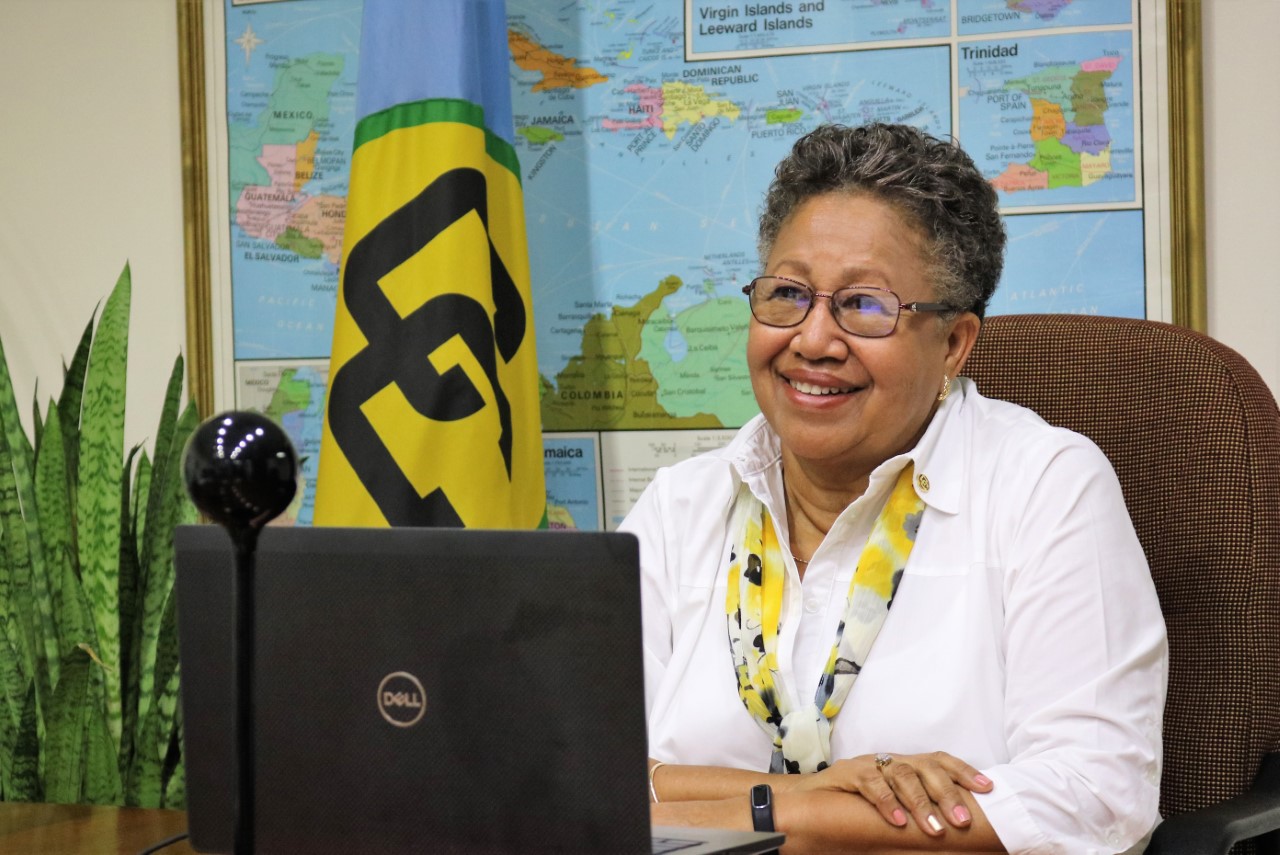
CARICOM Scribe Barnett to Speak at Caribbean Energy Week
The Secretary-General of the Caribbean Community, Carla Barnett, is set to participate in the 2026 edition of Caribbean Energy Week scheduled to hold in Paramaribo, Suriname.
Barnett is expected to join heads of government, ministers responsible for energy and environment, as well as industry leaders at the high-level forum taking place from March 30 to April 1. She will deliver remarks on the opening day of the event.
Organisers of Caribbean Energy Week 2026 said the forum would bring together stakeholders across hydrocarbons, renewable power, mining and carbon credits to showcase investment-ready projects and deepen regional collaboration.
They noted that the event would serve as a platform to forge strategic partnerships and accelerate investment flows into the Caribbean’s energy sector.
The organisers added that the multinational gathering is also designed to strengthen the region’s ongoing energy transition by harnessing synergies in logistics, technology and partnerships, including engagement with African stakeholders.
Caribbean Energy Week is spearheaded by Energy Capital Power in collaboration with other strategic partners.
Melania Trump Rallies 45 Nations on AI-powered Education
By Boniface Ihiasota
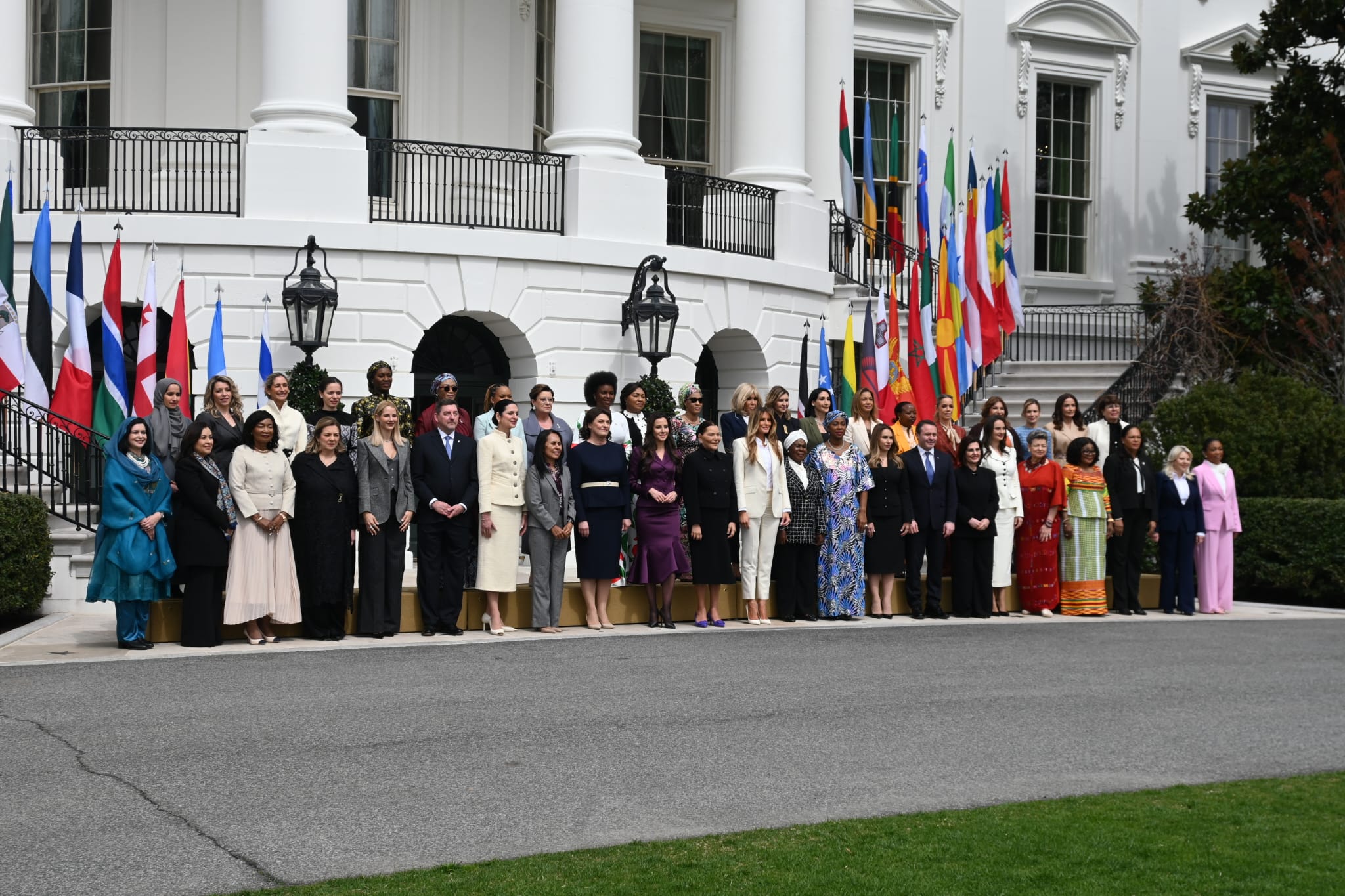
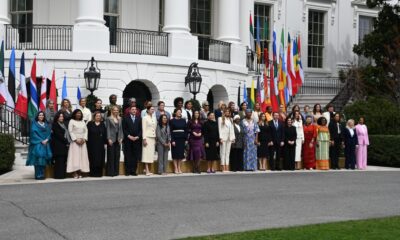
In what officials described as a landmark diplomatic and technological engagement, the First Lady of the United States, Melania Trump, on Wednesday hosted First Spouses from 45 countries at the White House for a high-level global summit on artificial intelligence and education.
The event, exclusively covered by Diaspora Watch Newspaper’s Boniface Ihiasota, was held under the “Fostering the Future Together” initiative and is regarded as the largest international assembly ever convened by a US First Lady within the White House.
The summit followed a prior day of engagements, including a four-part working session and a technology expo hosted at the US State Department, where delegates examined evolving global frameworks for digital learning and innovation.
At the core of Wednesday’s summit were policy presentations from nine countries, including the United States, France, Poland, United Arab Emirates, and Morocco, detailing national strategies for integrating artificial intelligence into education systems and broader socio-economic planning.
In her keynote address, Mrs. Trump framed the summit as the beginning of a new international coalition aimed at empowering children through technology-driven education.
“We are fostering the future together,” she declared, urging participants to move beyond dialogue into actionable commitments, including regional collaborations, legislative frameworks to protect children, and expanded access to digital tools for underserved populations.
She outlined three defining pillars expected to shape the next generation globally: the application of artificial intelligence to personalise learning experiences, the emergence of humanoid educators as in-home academic support systems, and the strategic use of technology and education to drive economic growth, particularly in the United States.
A defining moment of the summit was the unveiling of “Figure3,” an American-made humanoid system, introduced as a symbolic and practical demonstration of the next phase of artificial intelligence deployment.
The presentation marked the first time a humanoid technology of its kind has been formally showcased to international leaders in a diplomatic setting at the White House.
Addressing the gathering, Mrs. Trump emphasised a paradigm shift in the evolution of AI.
“The future of AI is ‘personified’ – it will be formed in the shape of humans. Very soon, artificial intelligence will move from our mobile phones to humanoids that deliver utility,” she said.
She explained that because human environments are inherently designed for people, humanoid systems would naturally integrate into everyday life, navigating and operating more effectively than traditional digital interfaces.
To illustrate this vision, she introduced a conceptual AI-powered humanoid educator named “Plato,” designed to bring centuries of human knowledge directly into homes.
According to her, “Plato” would provide instantaneous access to disciplines such as literature, science, philosophy, mathematics, history, and the arts, while offering a fully personalised learning experience tailored to each student’s pace, prior knowledge, and emotional state.
“Plato is always patient, always available,” she said, adding that such systems would significantly enhance students’ analytical abilities, critical thinking, and independent reasoning skills.
She further noted that the integration of AI in education could free up time for children to engage in social interactions, sports, and creative pursuits, thereby promoting a more holistic development model.
Despite her optimism, the First Lady cautioned against unregulated technological expansion, stressing that child safety must remain central to all innovation efforts.
“As discussed, we must balance our tech optimism with caution. The safety of our next generation is always paramount,” she said.
Mrs. Trump also used the platform to call for deeper collaboration between governments and the private sector, stressing the role of leading global technology companies such as Meta, Microsoft, OpenAI, Google, Zoom, Adobe, Palantir, and X, which she described as “best-in-class companies” driving innovation globally.
She said meaningful progress would depend on a coordinated model in which private enterprise delivers innovation, governments provide scale, and capital markets finance the distribution of emerging technologies.
According to her, the “Fostering the Future Together” initiative is built on the premise that efficiencies derived from artificial intelligence will transform key sectors such as commerce, healthcare, and food security, ultimately lifting global economies.
Positioning the moment within a broader historical context, Mrs. Trump described the current era as “The Age of Imagination,” comparing it to transformative periods such as the Industrial Revolution, the advent of electricity, the race to the Moon, and the birth of the internet.
She warned that artificial intelligence could potentially reset the global order and rebalance power among nations, making it imperative for countries to equip younger generations with the skills required to thrive in an AI-driven world.
Focusing on the United States, she stressed the need to produce the most technologically fluent and highly educated generation, noting that such an outcome would secure long-term economic superiority, drive GDP growth, attract global investment, and consolidate control over intellectual property.
“Our coalition can make this vision real by supporting concrete initiatives that equip young people with the skills they need,” she said.
She therefore called on global leaders to inspire innovation across sectors, including media, fashion, healthcare, and defence, urging them to harness artificial intelligence to build new industries and optimise production systems.
“Let’s foster the future together,” she emphasized.
Artemis II Crew Captures Stunning Images of Earth Midway to Moon
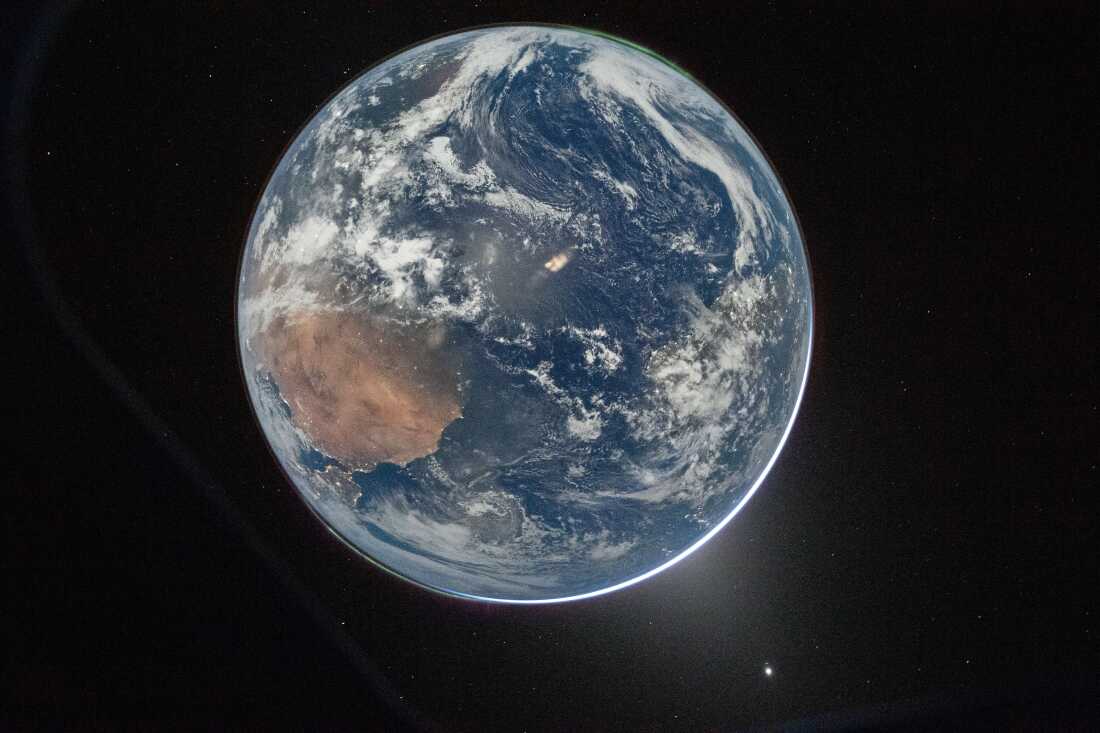
The National Aeronautics and Space Administration (NASA) has released the first high-resolution images of Earth taken by astronauts aboard the Artemis II mission as they reached the halfway mark between the Earth and the Moon.
NASA disclosed that the mission commander, Reid Wiseman, captured the “spectacular” images shortly after the crew executed a crucial engine burn that placed their spacecraft on a direct trajectory toward the Moon.
According to data from NASA’s dashboard at about 07:00 BST, the Orion spacecraft had travelled approximately 142,000 miles (228,500 kilometres) from Earth and was about 132,000 miles away from the Moon.
Reacting to the milestone, astronaut Christina Koch said the crew expressed collective excitement upon being informed of their progress, which came roughly two days, five hours and 24 minutes after liftoff.
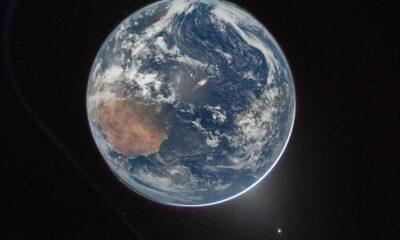
One of the images, titled Hello, World, captures a sweeping view of the Atlantic Ocean, illuminated by a thin atmospheric glow as Earth partially eclipses the Sun. The photograph also shows green auroras near both poles.
In the image, Earth appears inverted, revealing parts of the western Sahara and the Iberian Peninsula on one side, and the eastern region of South America on the other. NASA identified a bright object visible in the frame as the planet Venus.
The images were taken shortly after the crew completed a successful trans-lunar injection burn, which propelled the Orion spacecraft out of Earth’s orbit as it begins its over 200,000-mile journey to the Moon.
Artemis II is currently on a looping trajectory that will take the crew around the far side of the Moon and back to Earth, marking the first human mission to travel beyond Earth’s orbit since the Apollo 17 Moon mission in 1972.
The spacecraft was launched from the Kennedy Space Center in Florida and is expected to fly past the far side of the Moon on April 6 before returning to Earth for a splashdown in the Pacific Ocean on April 10.
Mission specialist Jeremy Hansen told mission control in Houston that the crew had been “glued to the windows” capturing images of space following the burn.
“We are getting a beautiful view of the dark side of the Earth, lit by the Moon,” Hansen said.
However, the astronauts’ eagerness reportedly left smudges on the spacecraft windows, prompting Wiseman to later request guidance from mission control on how to clean them.
Wiseman had earlier noted the difficulty of photographing Earth from such a distance, likening it to trying to capture the Moon from one’s backyard due to exposure challenges, though he said conditions had since improved.
Another image released shows Earth divided between daylight and darkness, a boundary known as the terminator, while a separate shot highlights city lights glowing across the planet’s night side.
NASA also shared a side-by-side comparison between the latest images and a similar photograph taken during the Apollo 17 mission, noting that despite technological advancements over the past 54 years, Earth’s beauty from space remains unchanged.


Diaspora Divas

Diaspora Watch – Vol. 87

CARICOM Scribe Barnett to Speak at Caribbean Energy Week

Pastor Jerry Eze Defends Miracles At UK Conference Amidst Criticism And Controversy

Diaspora Watch 20th Edition (October 14-20, 2024): Your Trusted Source for Global News and Insights

Tanzanian Man Reportedly Dies And Returns To Life Six Times


-

 Diaspora1 week ago
Diaspora Watch Vol. 86
-
 Trending18 hours ago
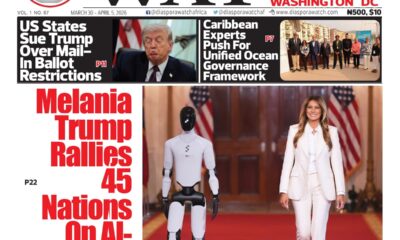
Diaspora Watch – Vol. 87
-
 News1 day ago
Artemis II Crew Captures Stunning Images of Earth Midway to Moon
-
 News1 day ago
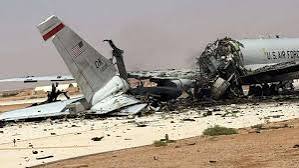
US, Iran Search for Missing Airman After Warplane Downed
-
 News1 day ago
Melania Trump Rallies 45 Nations on AI-powered Education
-
 Analysis1 day ago
Understanding South Africa’s Xenophobic Violence, by Alabidun Shuaib AbdulRahman