
News
Outrage in Nigeria over Alleged Extension of Corps Member Service Year for Criticizing Tinubu


Outrage in Nigeria over Alleged Extension of Corps Member Service Year for Criticizing Tinubu
The National Youth Service Corps has denied extending the service year of a Lagos corper, Rita Uguamaye, also known as Raye, for criticising the administration of President Bola Tinubu.
Uguamaye had, in a viral video shared on her TikTok account, @talktoraye, expressed frustration over Nigeria’s worsening economic conditions, lamenting the high inflation and economic hardship.
She had also criticised the President by describing him as a “terrible leader” while questioning the government’s efforts to alleviate the hardship faced by the citizens.
Following her allegations, several individuals, including ex-Vice President Abubakar Atiku and human rights activist Omoyele Sowore, condemned the alleged threat to her life.
Sharing a news caption on Tuesday that read, “NYSC punitively extends Raye’s service year by 2 months for criticising Tinubu’s administration over hardship,” Sowore vowed to protest at the NYSC passing out parade.
When contacted on Tuesday, the acting NYSC Director, Press and Public Relations, Carol Embu, said the decision to extend a corps member’s service year is made when such a person is passing out.
She disclosed that there are guidelines that would be followed if such an action were to be taken.
“Who is Sowore? Does he work with the NYSC? So, how come you are listening to him? I don’t understand how she will get an extension if she is still serving.
NYSC is not an irresponsible organisation; we work with rules and regulations. She is still serving; if she has any issues, we will wait and see,” Embu said.
Meanwhile, our correspondent could not independently verify the claim of a service year extension from Uguamaye.
She also did not make any post on such a claim on her social media handles.


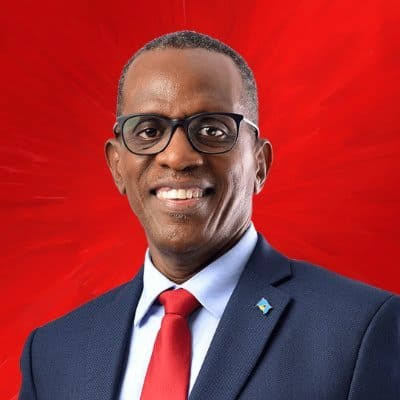
CARICOM must impact citizens’ lives, says incoming Chair Pierre
Prime Minister of Saint Lucia, Philip Pierre, has said the Caribbean Community, CARICOM must deliver tangible benefits that citizens can see and feel in their daily lives, stressing that regional integration should move beyond policy discussions and communiqués.
Pierre stated this during the national media launch of the 51st Regular Meeting of the Conference of Heads of Government of the Caribbean Community, scheduled to hold in Saint Lucia from July 5 to July 8, 2026.
The Saint Lucian leader, who will assume the six-month rotating chairmanship of the regional bloc on July 1, said his administration would prioritise initiatives capable of improving the welfare of Caribbean citizens across member states.
“CARICOM must deliver results that our people can see and feel in their everyday lives. Regional integration must not be something discussed only in conference rooms or reflected solely in communiqués. It must translate into meaningful improvements in the lives of Caribbean people,” Pierre said.
He will take over from Prime Minister Dr Terrance Drew of Saint Kitts and Nevis, who has chaired the regional organisation since January 1, 2026.
Pierre described CARICOM’s rotational leadership arrangement as one of the community’s enduring strengths, noting that it reflects shared responsibility, continuity and collective commitment among member states.
According to him, Saint Lucia is assuming the chairmanship at a critical period marked by significant global and regional challenges, requiring renewed commitment to cooperation and development.
The conference, themed “CARICOM: From Resilience to Renewal in a Changing World,” will focus on strengthening regional integration and addressing emerging socio-economic concerns facing Caribbean nations.
“The Caribbean people have always been resilient. Our history tells a story of endurance, of societies that emerged from colonialism, overcame economic vulnerability and built independent nations guided by hope, determination and unity,” he said.
However, he argued that resilience alone would no longer be sufficient to confront present realities.
“The task before us now is renewal. Renewal of our economies. Renewal of regional cooperation. Renewal of our institutions. Renewal of opportunity for our people. And renewal of confidence in our collective ability to shape our own future,” Pierre added.
The Prime Minister reiterated that CARICOM was founded on the belief that member states could achieve greater success collectively than individually, describing the principle as still relevant in today’s rapidly changing world.
He outlined the contributions of regional institutions in areas including public health, education, disaster preparedness, climate resilience, security cooperation and sustainable development, saying they demonstrate the practical value of regional integration.
Pierre said Saint Lucia’s chairmanship would focus on deepening Caribbean unity, advancing climate resilience and climate justice, strengthening regional security, promoting economic cooperation, improving food and nutrition security and expanding opportunities for citizens across the region.
As part of the conference programme, Heads of Government will participate in a retreat on July 6 aimed at fostering frank discussions and consensus-building on pressing regional issues.
Formal business sessions are expected to take place on July 7 and 8, during which leaders will deliberate on matters considered critical to the future of the Caribbean Community.
Pierre also commended Drew for his stewardship of CARICOM and pledged Saint Lucia’s continued commitment to the advancement of regional integration.
“Hosting the Conference is both an honour and a responsibility. It is also an opportunity for Saint Lucia to showcase our country, our people and our unwavering commitment to regional integration,” he said.
He added that Saint Lucia looked forward to welcoming regional leaders and working collectively to move the Caribbean Community “from resilience to renewal.”
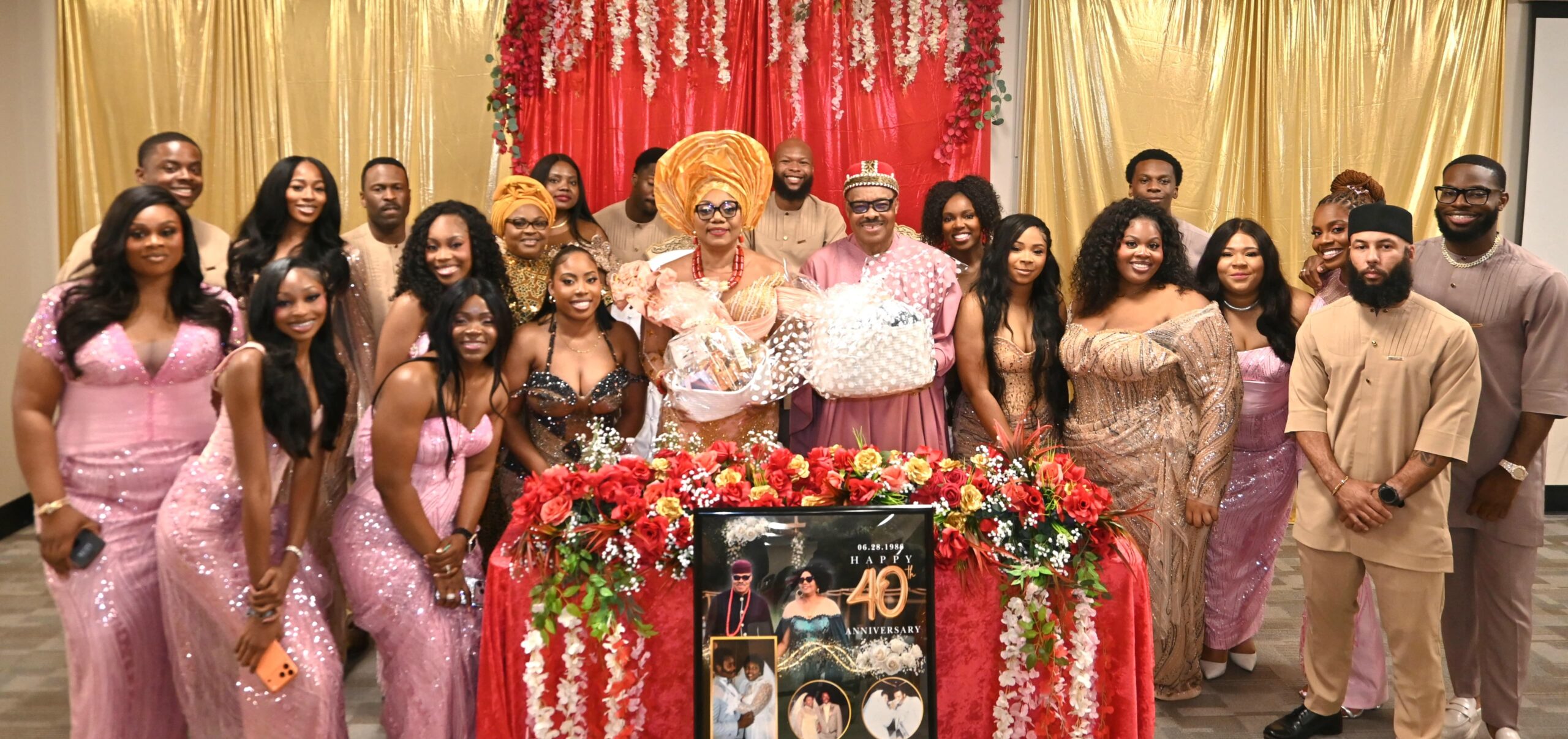
Godchildren Honour Emmanuel and Joy Ojiribe at 40th Anniversary Celebration in US
By Boniface Ihiasota, Washington
What began as an unexpected marriage proposal to a reluctant secondary school student in Imo State, Nigeria has blossomed into a remarkable 40-year love story that culminated in an emotional celebration of family, faith and legacy in the United States.
Sir Emmanuel Ojiribe and his wife, Lady Joy Ojiribe, marked their 40th wedding anniversary on Saturday at The Village Commons, 1326 Main Chapel Way, Gambrills, Maryland, where family members, friends and godchildren gathered to honour a union many described as a model of commitment, sacrifice and service.
The milestone celebration, attended by relatives from Nigeria and the diaspora, featured moving testimonies from the couple’s children and godchildren, many of whom credited the Ojiribes for shaping their lives through decades of mentorship, generosity and unwavering support.
Speaking exclusively with Diaspora Watch Newspaper during the event, Sir Emmanuel reflected on the journey that led to their marriage, expressing gratitude to God for sustaining the family through four decades.
“When I first met Joy, I knew she possessed the qualities of a life partner. Looking back today, I can only thank God for His grace. Forty years later, we are not merely celebrating a marriage; we are celebrating God’s faithfulness, friendship, family and the lives He allowed us to touch,” he said.
Lady Joy, who recalled initially rejecting Emmanuel’s proposal while she was still a student at St. Catherine’s Girls’ Secondary School, Nkwerre, Imo State, said she never imagined the encounter would become the foundation of a lifelong partnership.
“I was focused on my education and did not think marriage was something I was ready for. At that time, I even cried because I felt overwhelmed by the idea. But God had a different plan. Today, I am grateful for the journey, the lessons, the challenges and the blessings we have shared together,” she said.
The celebration also highlighted the deep historical ties between the Ojiribe and Ihekire families, relationships that predated the couple’s marriage.
Family members narrated how both families lived, worshipped and raised their children together in Port Harcourt, Rivers State, creating bonds that would eventually lead to the union of Emmanuel and Joy.
The couple married on June 28, 1986, after Joy relocated to the United States in 1983.
Their marriage produced three sons — Emmanuel Timothy Iheanyichukwu Jr., Jeffrey Jesse Nkemakolam and Fredrickson Michael Obioha — all of whom participated actively in the anniversary celebration.
In separate remarks, the sons paid glowing tributes to their parents, describing them as pillars of faith, discipline and unconditional love.
“Our parents taught us that success is not measured by what you accumulate but by the lives you impact,” Emmanuel Timothy Jr. said.
Jeffrey added, “They sacrificed so much for us and for others. The values they instilled in us continue to guide our lives today.”
Fredrickson described the anniversary as “a celebration of resilience, faith and a legacy that will continue for generations.”
The defining moment of the evening, however, came when a dozen godchildren mounted the stage to honour Lady Joy in a segment that left many guests visibly emotional.
Speaking in turns, Malcolm, Udoka, Ujunwa, Amarachi, Joy, Chichi Nnorom, Brittany, Ezinne, Adanna, Emmanuel, Chigozie and Ogechi recounted how Lady Joy had embraced them as her own children despite not being related by blood.
Several of them testified that she consistently remembered birthdays, Christmas celebrations, graduations and other significant milestones in their lives, often reaching out with gifts, encouragement and prayers.
“She never treated us like godchildren; she treated us like her children,” one of the speakers said.
“Every Christmas, every special occasion, she reached out to us. She checked on us, prayed for us and made sure we knew we were loved.”
Another godchild described Lady Joy as “a mother whose heart has room for everyone,” adding that her influence extended beyond gifts and material support.
“She followed our lives closely. She celebrated our successes and stood by us during difficult moments. Her love was intentional, consistent and genuine,” the speaker said.
The emotional tributes drew prolonged applause from guests, many of whom described the testimonies as evidence of a life devoted to service and compassion.
As Sir Emmanuel and Lady Joy made a symbolic second entrance accompanied by their godchildren, the atmosphere inside the hall transformed into a celebration not only of marital longevity but also of generational impact.
Guests rose to their feet in a standing ovation as the couple walked through an aisle lined with family members and protégés whose lives had been shaped by their influence.
A longtime family friend summed up the mood of the occasion, saying, “Many people celebrate anniversaries because they have stayed married for decades. The Ojiribes are being celebrated because they have spent those decades investing in people. Their legacy is visible in their children, their godchildren and the countless lives they have touched.”
The event concluded with prayers, thanksgiving and renewed commitments from family members to preserve the values of faith, love and service that have defined the Ojiribes’ four-decade journey.

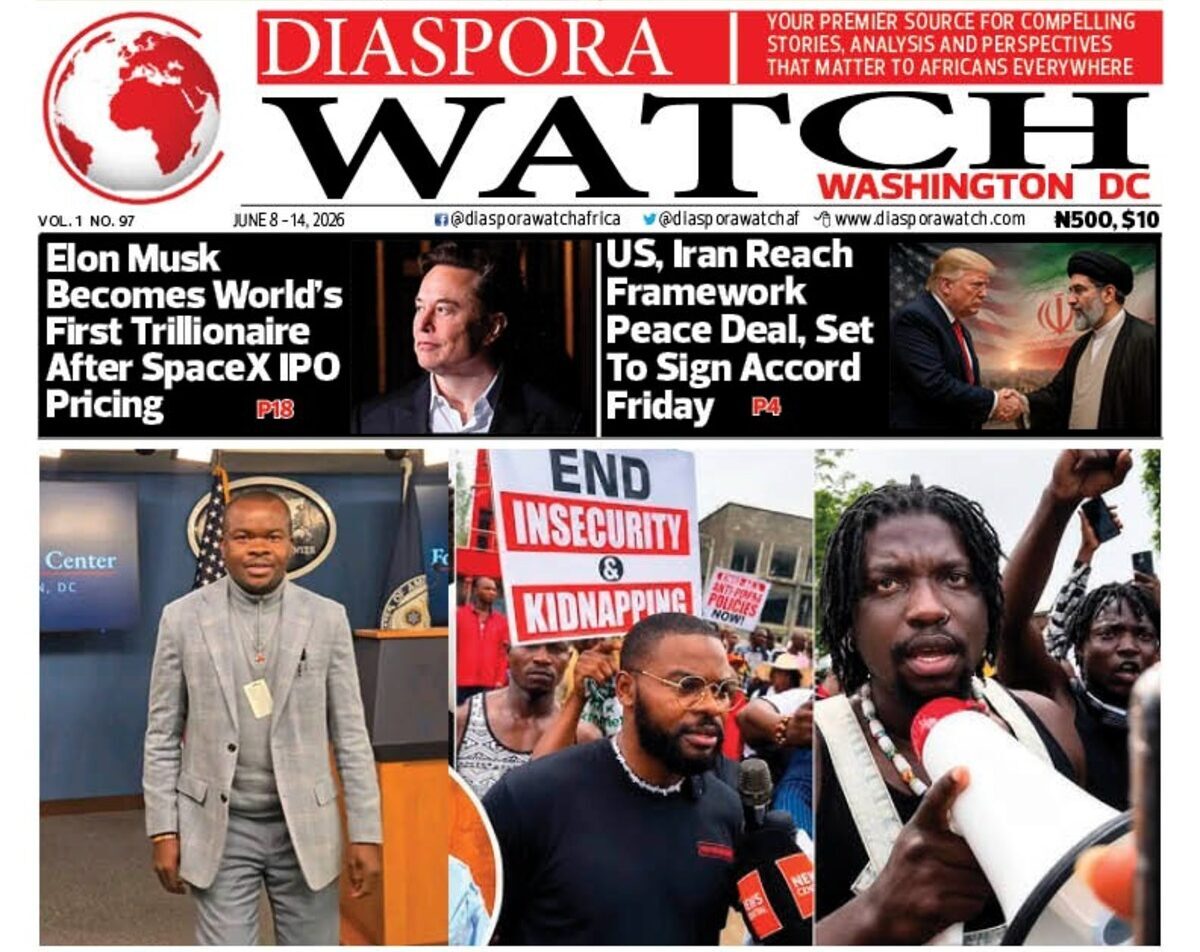
Diaspora Watch Newspaper is pleased to announce the release of its 97th edition, featuring a compelling lineup of global headlines, in-depth analyses, and thought-provoking commentary that reflect the evolving dynamics of politics, business, society, and culture across continents.
Leading the edition is a powerful open letter addressed to social media activist VDM and Nigeria’s younger generation, calling for renewed civic engagement and transformative leadership in shaping the country’s future.
Diaspora Watch FREE Digital View: https://diasporawatch.com/3d-flip-book/diaspora-watch-vol-97/
On Demand Print: https://www.magcloud.com/browse/issue/3353015?__r=1069759
SUBSCRIBE TO DIASPORA WATCH NOW ON THE LINK BELOW!!!
https://diasporawatch.com/subscribe-to-diaspora-watch-newspaper/
It also features the historic financial milestone achieved by Elon Musk, who has reportedly become the world’s first trillionaire following the landmark pricing of the SpaceX IPO. The development underscores the accelerating power of private space innovation and global capital markets.
In international diplomacy, attention is drawn to emerging reports of a framework peace agreement between the United States and Iran, with both nations expected to formalize the accord later this week—an outcome that could significantly reshape geopolitical tensions in the Middle East.
Europe also features prominently, as Norwegian authorities sentence the son of the Crown Princess to four years in prison for rape, a case that has sparked intense national debate on accountability and privilege within royal circles.
Across the Atlantic and beyond, economic and social developments dominate the headlines. From inflationary pressures and trade disruptions threatening Caribbean growth, to South Korea’s stock market surge attracting millions of first-time investors, the global economy remains in a state of rapid transformation and uncertainty.
In Russia, new restrictions on surveillance linked to President Vladimir Putin have been introduced amid growing concerns over artificial intelligence and digital monitoring, highlighting the expanding intersection between governance and emerging technologies.
Sporting tensions at the World Cup opener have been overshadowed by xenophobia-related controversies, raising fresh questions about inclusivity and fan conduct on the global stage.
On the entertainment front, global pop star Ariana Grande makes headlines after reportedly objecting to the use of her music by the White House, adding to ongoing debates about artistic rights and political messaging.
Diaspora Watch Newspaper continues to uphold its commitment to delivering credible, balanced, and impactful journalism that connects diaspora communities with critical global developments.


CARICOM must impact citizens’ lives, says incoming Chair Pierre

Marketers Import Dangote-Refined Fuel Through Togo Hub

Ghana eyes local takeover of Gold Fields’ Tarkwa mine

Pastor Jerry Eze Defends Miracles At UK Conference Amidst Criticism And Controversy

Diaspora Watch 20th Edition (October 14-20, 2024): Your Trusted Source for Global News and Insights

Tanzanian Man Reportedly Dies And Returns To Life Six Times


-

 Tech1 week ago
Elon Musk Becomes World’s First Trillionaire After SpaceX IPO Pricing
-
 Diplomacy1 week ago
Trade Disruptions, Inflation Threaten Caribbean Growth — Barnett
-
 Analysis1 week ago
An Open Letter to VDM and the Generation That Could Change Nigeria
-
 News1 week ago
Russia Restricts Putin Surveillance Over AI Fears
-

 Features1 week ago
Diaspora Watch Vol. 96
-

 Analysis1 week ago
Nigeria’s Democracy and the Aluta Continua, by Alabidun Shuaib AbdulRahman