
Business
Dollar Rebounds as Traders Eye Possible Fed Rate Cut in September

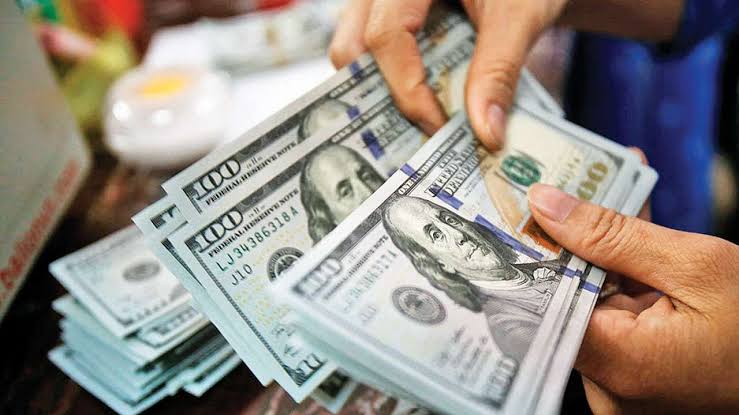
Dollar Rebounds as Traders Eye Possible Fed Rate Cut in September
The U.S. dollar staged a rebound on Monday, gaining ground against major currencies after suffering sharp losses last week on the back of dovish comments from Federal Reserve Chair Jerome Powell, which had strengthened expectations of an interest rate cut in September.
The dollar index, which measures the greenback’s performance against a basket of six major currencies, rose by 0.49 per cent to 98.32, marking its biggest daily advance since July 30.
The euro slipped 0.69 per cent to $1.1634, retreating from Friday’s four-week high of $1.1742.
The rebound comes as global markets weigh Powell’s remarks that risks to the U.S. labour market are rising, even though inflation remains a concern.
Analysts at Barclays, BNP Paribas and Deutsche Bank now project a 25-basis-point rate cut by the Fed at its September meeting.
“While Powell and company are undoubtedly still leaning toward cutting interest rates next month, upcoming U.S. economic data could sway the decision,” said Matt Weller, global head of market research at StoneX.
“Forex traders are hedging their bets as a September cut isn’t guaranteed, and the dollar’s modest recovery reflects that caution.”
Market pricing showed an 84.3 per cent probability of a September rate cut, according to CME’s FedWatch tool — a slight dip from 84.7 per cent in the prior session but well above the 61.9 per cent recorded a month ago.
Meanwhile, U.S. stocks closed weaker on Monday, with the Dow Jones Industrial Average dropping more than 0.75 per cent, the S&P 500 falling by 0.4 per cent, and the Nasdaq slipping by 0.2 per cent.
Treasury yields also edged higher, with the two-year note, which is highly sensitive to Fed expectations, up four basis points at 3.728 per cent.
Across the Atlantic, euro zone bond yields climbed as traders recalibrated their outlook, aided by data showing a pickup in German business confidence.
Germany’s 10-year yield rose 3.9 basis points to 2.758 per cent, close to a five-month peak of 2.787 per cent.
Despite Monday’s recovery, the dollar remains under pressure, having weakened by more than nine per cent so far this year, while the euro has gained over 12 per cent.
Analysts such as Samy Chaar, chief economist at Lombard Odier, predict the euro could strengthen further to $1.20–$1.22 within the next year.
Investor attention is also fixed on escalating tensions between President Donald Trump and the Federal Reserve, with Trump’s repeated criticism of Powell and other Fed officials raising fresh concerns about the central bank’s independence at a sensitive time for monetary policy.

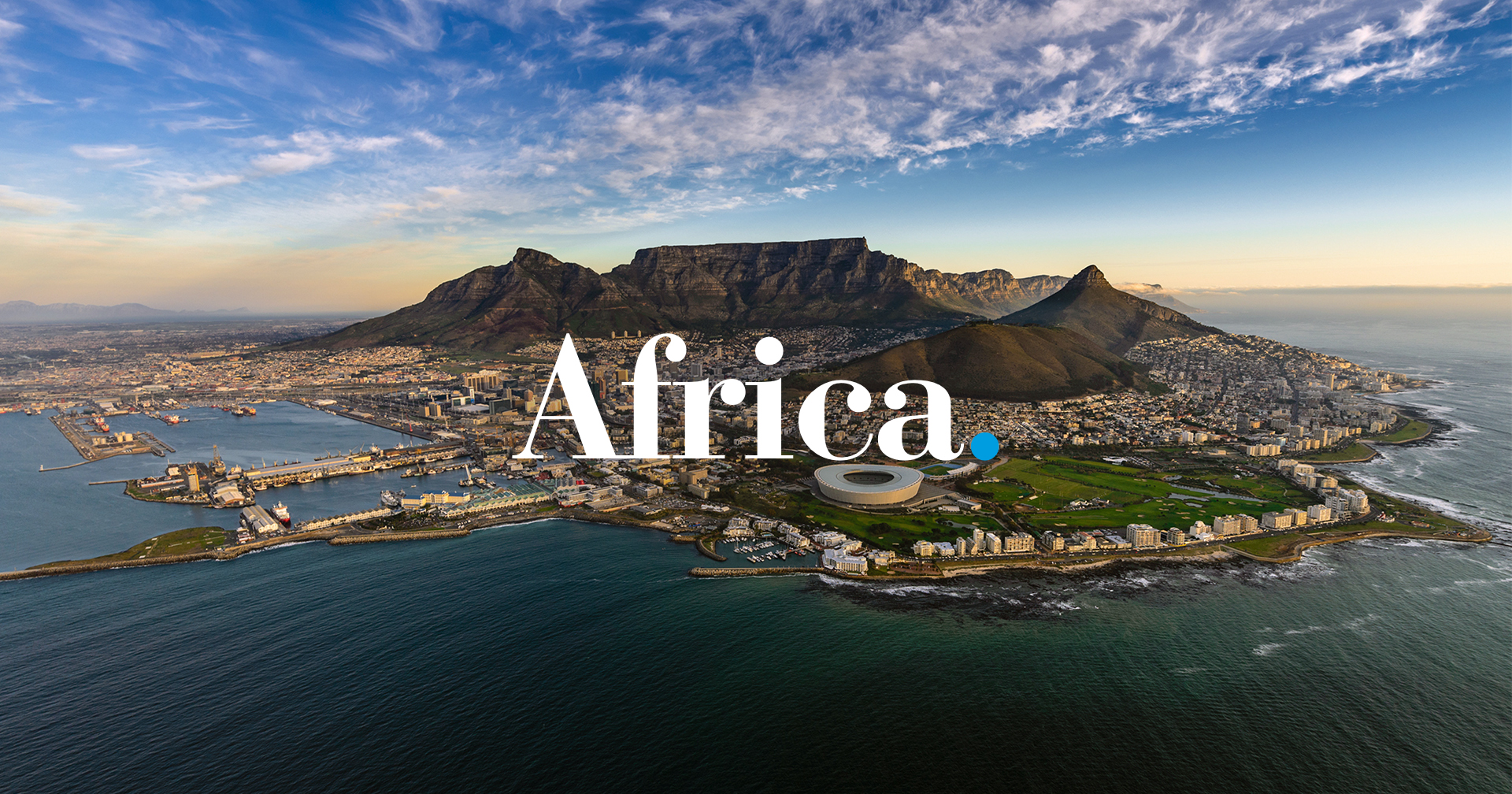
Africa Loses $75bn Yearly to Risk Premiums, Experts Warn
African economies lose about $75bn annually to excess interest payments arising from high risk premiums, as experts call for fairer credit ratings, improved debt management and greater transparency in global financial assessments.
The Deputy Executive Secretary and Chief Economist of the United Nations Economic Commission for Africa, Dr Hanan Morsy, disclosed this during a panel discussion on debt sustainability, credit ratings and Africa’s risk premium at the 2026 International Monetary Fund and World Bank Annual Meetings in Bangkok, Thailand.
Morsy said African governments must provide credible economic data and strengthen their capacity to communicate their economic realities to investors and international financial institutions.
She warned that the continent could not afford to depend entirely on external assessments of its economic prospects, urging governments to support their arguments with verifiable evidence.
“If you do not advocate for yourself, no one will. This applies to individuals as well as countries. You must make your case and ensure that it is not based on words alone but backed by evidence,” she said.
The discussion comes amid growing concerns over Africa’s borrowing costs, rising debt-service obligations and the need to finance infrastructure, healthcare, education and employment opportunities for a rapidly growing population.
The launch of the Africa Credit Rating Agency in Mauritius this month is expected to provide additional perspectives on African economies by incorporating more local data, expertise and economic realities into credit assessments.
However, stakeholders cautioned that the agency’s effectiveness would depend on its independence, transparent methodologies, reliable data and credibility among international investors.
The Director-General of the West African Institute for Financial and Economic Management, Dr Baba Musa, said African countries had spent decades demanding more accurate and proportionate assessments of their economic risks.
He argued that prevailing perceptions of African economies often placed the continent at a disadvantage compared with other regions.
“For a rating agency, the methodology should be comparable with international standards. However, what African countries have been asking for over the past 20 years is that they should be assessed accurately, their risks communicated proportionately, and their economies evaluated fairly,” Musa said.
He stressed that the demand was not for preferential treatment but for assessments that reflected the diversity, resources and economic circumstances of individual African countries.
“Africa’s voice should be heard and the continent should be assessed fairly, just like any other region,” he added.
Musa said the success of the new agency would depend on its ability to apply credible methodologies, operate transparently and accurately reflect the economic realities of African countries.
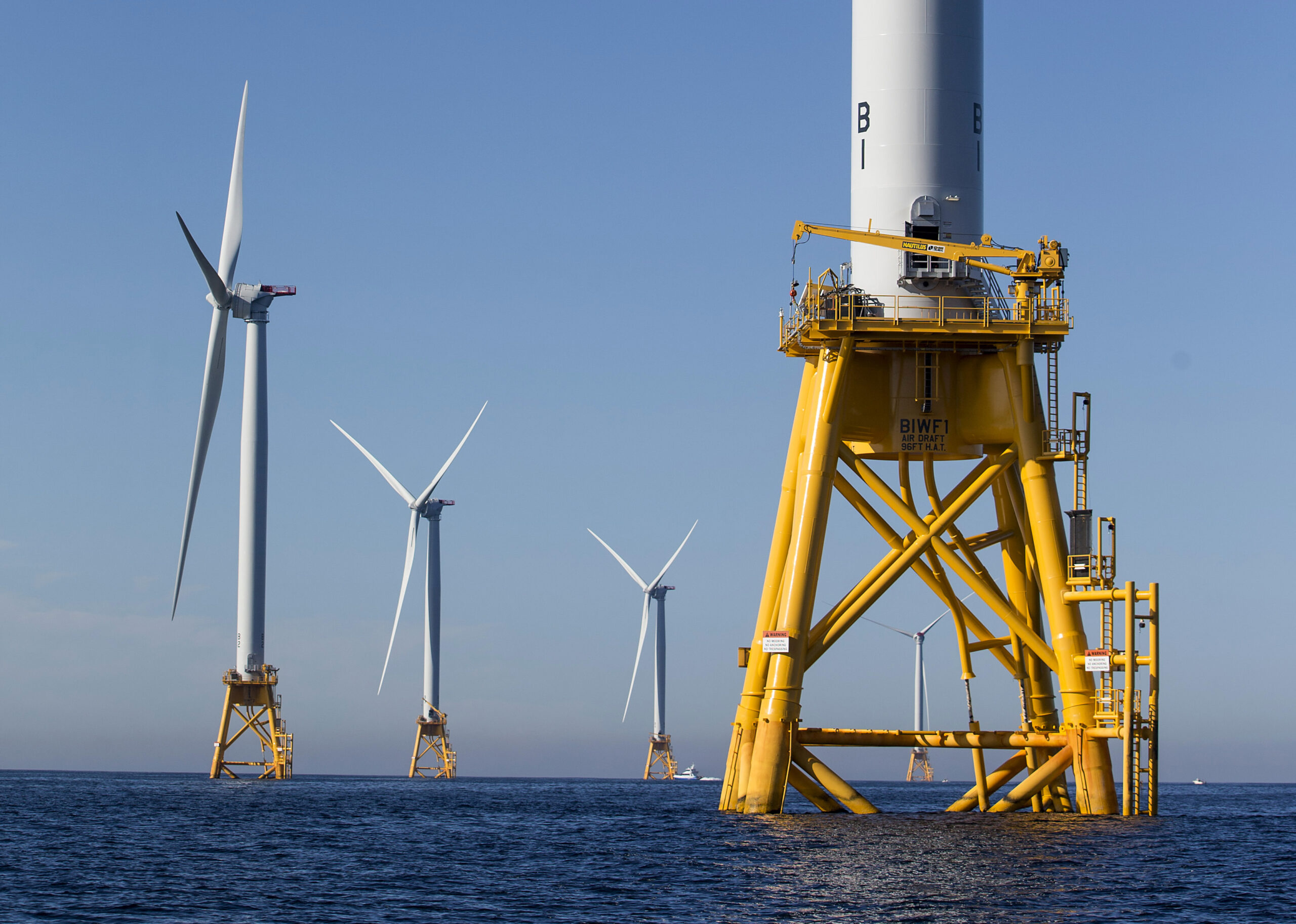
RWE abandons US offshore wind projects in $1.2bn Trump deal
German energy giant RWE has agreed to abandon its offshore wind projects in the United States under a $1.2bn deal with the administration of President Donald Trump, in another major setback for the country’s offshore wind industry.
Under the agreement, RWE will relinquish its offshore wind leases off California and Louisiana, as well as in the New York Bight, an area between New York and New Jersey that has been regarded as one of the most promising locations for offshore wind development in the United States.
The company said there was no foreseeable path to securing permits for the projects under the current regulatory environment.
RWE said it would redirect its investment towards conventional energy projects, including about $900m for a liquefied natural gas export terminal in Louisiana.
The agreement is the latest in a series of deals under the Trump administration aimed at ending or restructuring offshore wind projects in the United States.
The development reflects a dramatic shift in American energy policy since Trump returned to the White House, with the administration placing greater emphasis on oil and gas production while challenging the expansion of renewable energy.
Trump has repeatedly criticised wind energy and has made increased domestic fossil-fuel production a major part of his energy policy.
Interior Secretary Doug Burgum welcomed the RWE agreement, saying the administration was pursuing an energy system based on what he described as economic practicality rather than dependence on subsidies.
RWE, however, stressed that the agreement did not represent a withdrawal from the American energy market.
The company plans to invest about €17bn over the next six years to expand its power-generation capacity in the United States.
The latest agreement therefore represents a strategic adjustment rather than a complete retreat from the American market, with RWE shifting its investment towards areas it believes can operate under the current policy environment.
In March 2026, the Department of the Interior reached an agreement with French energy company TotalEnergies that resulted in the termination of its offshore wind projects, with the company redirecting investment towards an LNG facility in Texas and conventional oil activities in the Gulf of Mexico.
The administration also reached a $129m agreement with Duke Energy last month that resulted in the termination of the company’s offshore wind lease in the Carolina Long Bay area.
The RWE agreement is therefore part of a broader policy pattern rather than an isolated corporate decision.
The administration has argued that offshore wind projects depend excessively on government support and can impose higher costs on consumers.

Rubio vows US will keep protecting Gulf shipping, says diplomacy with Iran still possible
By Boniface Ihiasota, Washington DC
United States Secretary of State, Marco Rubio on Wednesday said Washington would continue military operations to safeguard international shipping routes from Iranian attacks while insisting that the U.S. remained open to a diplomatic resolution of the crisis.
Rubio, who spoke to journalists in Manila, accused Iran of undermining previous commitments by continuing attacks on commercial vessels transiting a key international waterway.
He said Tehran had failed to uphold an earlier understanding that called for unrestricted maritime navigation, arguing that the latest attacks demonstrated Iran was “not serious” about diplomacy.
“We remain open to diplomacy. We remain open to working it out in a negotiated way. But right now, they don’t seem to be serious about that,” Rubio said.
According to him, the U.S. military would continue targeting sites allegedly used to launch attacks against commercial shipping while protecting vessels passing through the strategic maritime corridor.
“Ships are trying to go through the straits, and they’re getting blown up. The United States is defending that shipping and degrading Iran’s ability to target global shipping,” he said.
Rubio also rejected suggestions that Washington’s objective was to force Iran into submission, arguing instead that the U.S. was determined to prevent Tehran from acquiring nuclear weapons.
He claimed Iran had spent decades investing heavily in missiles, drones and proxy groups instead of addressing domestic economic challenges, including soaring inflation and rising food prices.
The U.S. Secretary of State urged more countries to join efforts to secure international shipping lanes, saying many nations depended more heavily on the affected maritime route than the United States.
Although Washington had not made fresh requests during meetings with Asian allies in Manila, Rubio disclosed that previous discussions had explored possible contributions, including naval mine-clearing capabilities.
He maintained that the U.S. would prefer a negotiated settlement but insisted that freedom of navigation could not be compromised.
Rubio also confirmed he would meet Russian Foreign Minister Sergey Lavrov to discuss the war in Ukraine, saying Washington remained willing to play a constructive role in efforts to end the conflict while pursuing cooperation with Moscow on other strategic issues.

1xBet app iOS download bonus guide: unlock top promotions in Bangladesh
1Win App Login in Bangladesh: Complete Guide for Players

DIVA: Halima Aden

Pastor Jerry Eze Defends Miracles At UK Conference Amidst Criticism And Controversy

Diaspora Watch 20th Edition (October 14-20, 2024): Your Trusted Source for Global News and Insights

Tanzanian Man Reportedly Dies And Returns To Life Six Times


-

 Diaspora2 days ago
STOP THE DRONE STRIKES. LIFT THE BLOCKADE. SAVE MINEMBWE. MASS MARCH ON WASHINGTON, NOV. 30, 9:30 AM
-

 News1 week ago
CARICOM Election Observation Mission to Grenada General Elections
-

 Opinion1 week ago
EDITORIAL: Poverty Is No Licence for Terrorism
-
News3 days ago
CK4444 Official Website Account Verification Guide for Bangladeshi Players
-
News5 days ago
Coronavirus disease 2019
-
News3 days ago
NBajee Official Website App & Mobile Guide for Bangladeshi Players