
Business
Mshel Homes Unveils The Groove, a Premium Lifestyle Estate in Wuye


Mshel Homes Unveils The Groove, a Premium Lifestyle Estate in Wuye
Link Image:
https://drive.google.com/file/d/11-uF8z9efl0lVuv7MdUHQ3VnTkEps4Sb/view?usp=sharing
Mshel Homes has continued to strengthen its reputation as one of Nigeria’s most forward-thinking real estate developers, delivering projects that prioritise longevity, sustainability, and long-term value creation. Over the years, the company has consistently demonstrated intentional planning and execution across notable developments such as Hutu Exclusive, Hutu Pent Haven, Signature Residence, Harmony Hills, and Mshel Horizon, among others, within the Federal Capital Territory.
Building on this legacy, Mshel Homes has unveiled The Groove, a premium residential estate in the highly sought-after Wuye district of Abuja. Positioned within one of the city’s most prestigious neighbourhoods, The Groove is designed to offer a refined blend of luxury, comfort, leisure, and modern urban living.
Spanning approximately 3.06 hectares, the estate integrates lifestyle-driven amenities that support wellness and sustainability. Planned features include a thoughtfully designed recreational area, a swimming pool that encourages relaxation and social bonding, a state-of-the-art tennis court promoting physical activity and mental clarity, and landscaped green spaces that reinforce a nature-forward living experience.
Wuye remains a prime destination for high-value residential developments, favoured by individuals seeking an elevated standard of living beyond the conventional. Its strategic location provides seamless access to Abuja’s major districts, including the Central Business Area, Utako, Jabi, and Life Camp, making it both a lifestyle and investment-driven choice.
The Groove offers 200sqm, 350sqm, and 500sqm residential plots, alongside apartments, each supported by carefully curated architectural prototypes. These offerings provide flexibility for homeowners and investors alike, with use cases ranging from private residences and luxury rentals to shortlet apartments and strategic land banking.
Currently, all properties are in the pre-sale phase, offering a compelling opportunity. Early acquisition allows buyers to secure assets at lower entry points, ahead of infrastructure development and market appreciation. Historically, estates that progress from pre-entry to active development witness significant value growth, positioning early investors for sustainable capital appreciation.
Mshel Homes reinforces its commitment with The Groove by delivering estates that balance lifestyle excellence with long-term investment value anchored in credible execution and strategic location.
Interested buyers and investors seeking early access to The Groove are encouraged to act promptly, as pre-sale allocations are limited and entry prices are subject to upward review once development commences. For enquiries and site Inspections contact @mshelhomes across all social media platforms or 09069951704 or 08133933449 today.



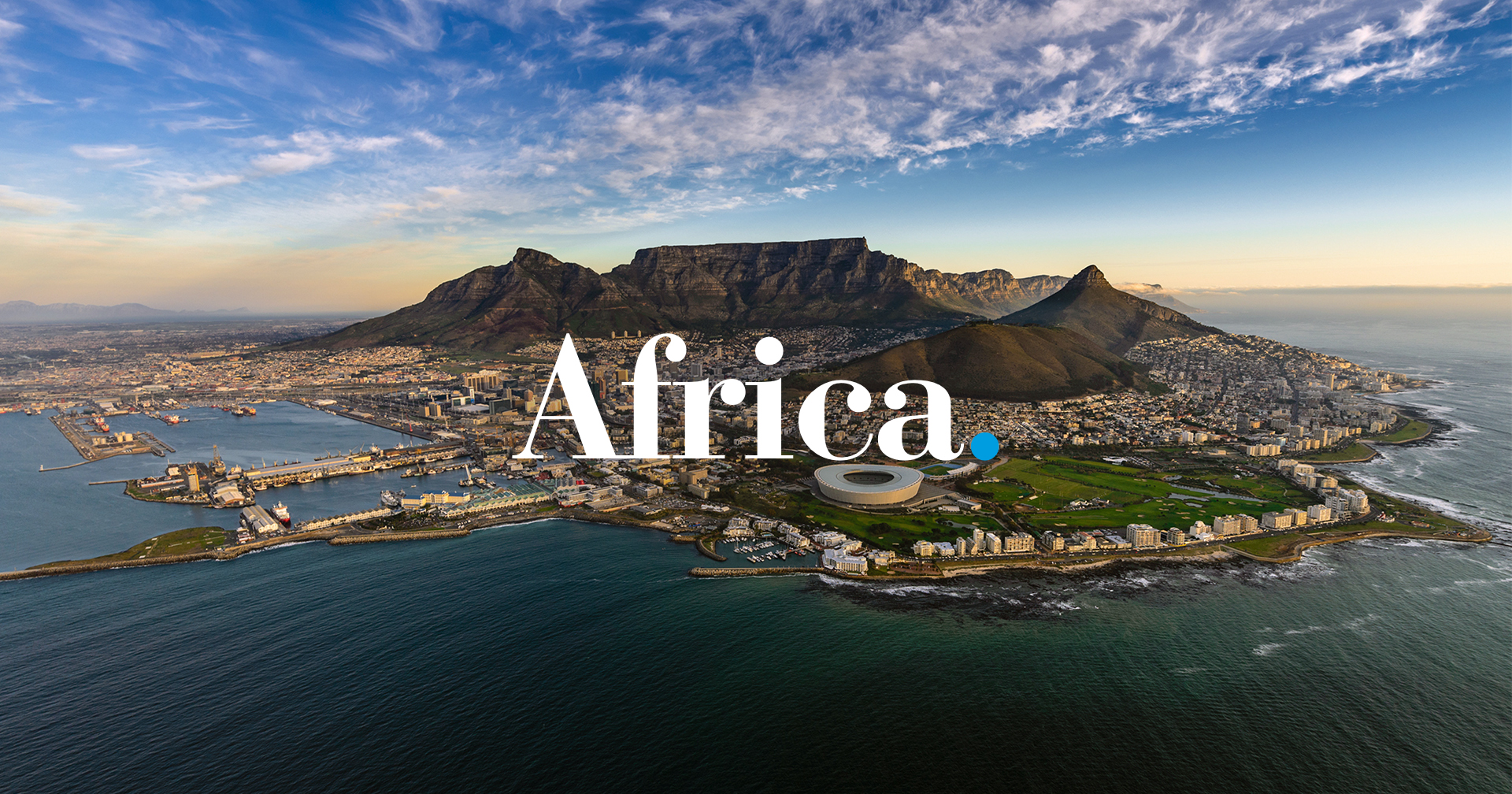
Africa Loses $75bn Yearly to Risk Premiums, Experts Warn
African economies lose about $75bn annually to excess interest payments arising from high risk premiums, as experts call for fairer credit ratings, improved debt management and greater transparency in global financial assessments.
The Deputy Executive Secretary and Chief Economist of the United Nations Economic Commission for Africa, Dr Hanan Morsy, disclosed this during a panel discussion on debt sustainability, credit ratings and Africa’s risk premium at the 2026 International Monetary Fund and World Bank Annual Meetings in Bangkok, Thailand.
Morsy said African governments must provide credible economic data and strengthen their capacity to communicate their economic realities to investors and international financial institutions.
She warned that the continent could not afford to depend entirely on external assessments of its economic prospects, urging governments to support their arguments with verifiable evidence.
“If you do not advocate for yourself, no one will. This applies to individuals as well as countries. You must make your case and ensure that it is not based on words alone but backed by evidence,” she said.
The discussion comes amid growing concerns over Africa’s borrowing costs, rising debt-service obligations and the need to finance infrastructure, healthcare, education and employment opportunities for a rapidly growing population.
The launch of the Africa Credit Rating Agency in Mauritius this month is expected to provide additional perspectives on African economies by incorporating more local data, expertise and economic realities into credit assessments.
However, stakeholders cautioned that the agency’s effectiveness would depend on its independence, transparent methodologies, reliable data and credibility among international investors.
The Director-General of the West African Institute for Financial and Economic Management, Dr Baba Musa, said African countries had spent decades demanding more accurate and proportionate assessments of their economic risks.
He argued that prevailing perceptions of African economies often placed the continent at a disadvantage compared with other regions.
“For a rating agency, the methodology should be comparable with international standards. However, what African countries have been asking for over the past 20 years is that they should be assessed accurately, their risks communicated proportionately, and their economies evaluated fairly,” Musa said.
He stressed that the demand was not for preferential treatment but for assessments that reflected the diversity, resources and economic circumstances of individual African countries.
“Africa’s voice should be heard and the continent should be assessed fairly, just like any other region,” he added.
Musa said the success of the new agency would depend on its ability to apply credible methodologies, operate transparently and accurately reflect the economic realities of African countries.
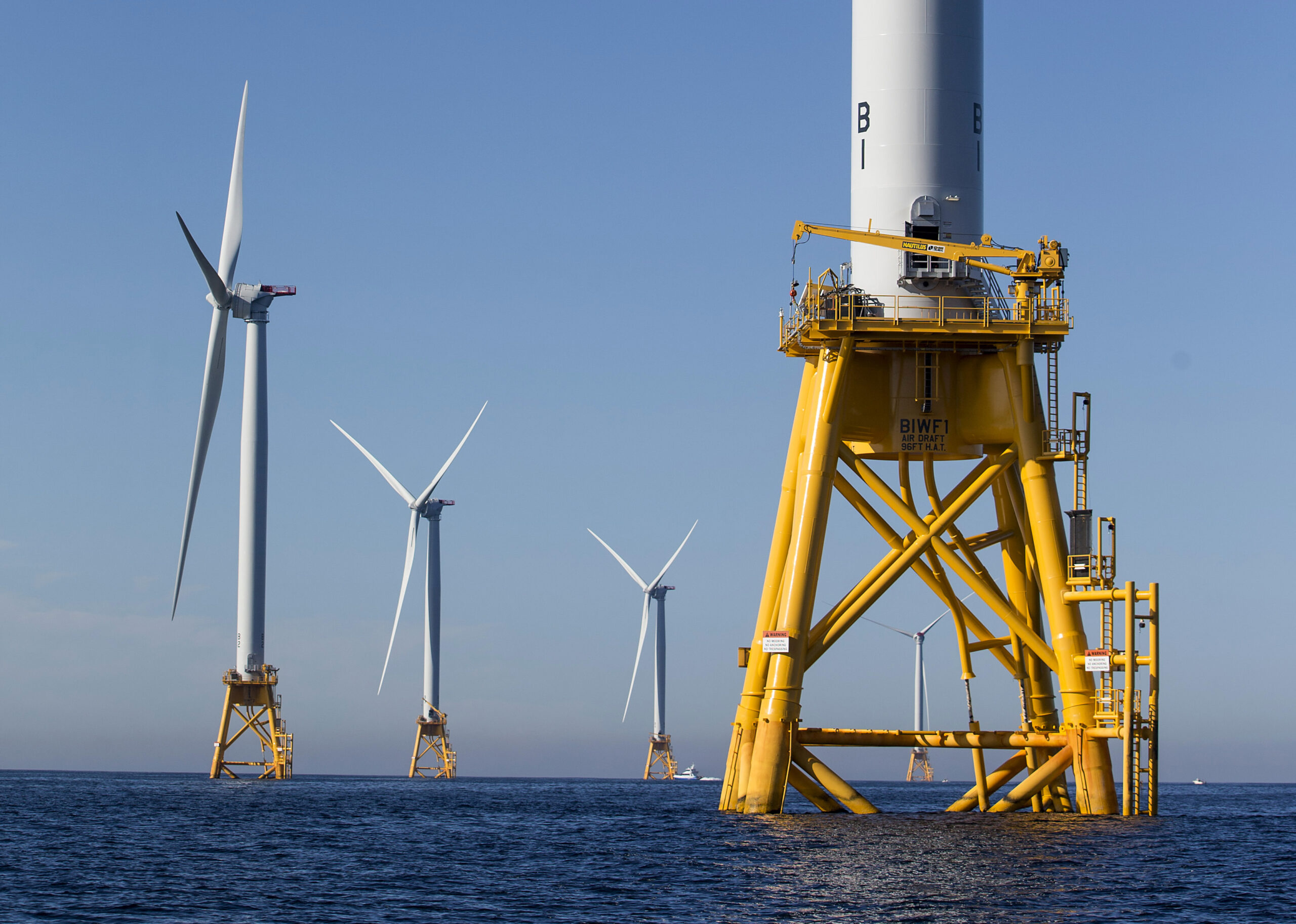
RWE abandons US offshore wind projects in $1.2bn Trump deal
German energy giant RWE has agreed to abandon its offshore wind projects in the United States under a $1.2bn deal with the administration of President Donald Trump, in another major setback for the country’s offshore wind industry.
Under the agreement, RWE will relinquish its offshore wind leases off California and Louisiana, as well as in the New York Bight, an area between New York and New Jersey that has been regarded as one of the most promising locations for offshore wind development in the United States.
The company said there was no foreseeable path to securing permits for the projects under the current regulatory environment.
RWE said it would redirect its investment towards conventional energy projects, including about $900m for a liquefied natural gas export terminal in Louisiana.
The agreement is the latest in a series of deals under the Trump administration aimed at ending or restructuring offshore wind projects in the United States.
The development reflects a dramatic shift in American energy policy since Trump returned to the White House, with the administration placing greater emphasis on oil and gas production while challenging the expansion of renewable energy.
Trump has repeatedly criticised wind energy and has made increased domestic fossil-fuel production a major part of his energy policy.
Interior Secretary Doug Burgum welcomed the RWE agreement, saying the administration was pursuing an energy system based on what he described as economic practicality rather than dependence on subsidies.
RWE, however, stressed that the agreement did not represent a withdrawal from the American energy market.
The company plans to invest about €17bn over the next six years to expand its power-generation capacity in the United States.
The latest agreement therefore represents a strategic adjustment rather than a complete retreat from the American market, with RWE shifting its investment towards areas it believes can operate under the current policy environment.
In March 2026, the Department of the Interior reached an agreement with French energy company TotalEnergies that resulted in the termination of its offshore wind projects, with the company redirecting investment towards an LNG facility in Texas and conventional oil activities in the Gulf of Mexico.
The administration also reached a $129m agreement with Duke Energy last month that resulted in the termination of the company’s offshore wind lease in the Carolina Long Bay area.
The RWE agreement is therefore part of a broader policy pattern rather than an isolated corporate decision.
The administration has argued that offshore wind projects depend excessively on government support and can impose higher costs on consumers.

Rubio vows US will keep protecting Gulf shipping, says diplomacy with Iran still possible
By Boniface Ihiasota, Washington DC
United States Secretary of State, Marco Rubio on Wednesday said Washington would continue military operations to safeguard international shipping routes from Iranian attacks while insisting that the U.S. remained open to a diplomatic resolution of the crisis.
Rubio, who spoke to journalists in Manila, accused Iran of undermining previous commitments by continuing attacks on commercial vessels transiting a key international waterway.
He said Tehran had failed to uphold an earlier understanding that called for unrestricted maritime navigation, arguing that the latest attacks demonstrated Iran was “not serious” about diplomacy.
“We remain open to diplomacy. We remain open to working it out in a negotiated way. But right now, they don’t seem to be serious about that,” Rubio said.
According to him, the U.S. military would continue targeting sites allegedly used to launch attacks against commercial shipping while protecting vessels passing through the strategic maritime corridor.
“Ships are trying to go through the straits, and they’re getting blown up. The United States is defending that shipping and degrading Iran’s ability to target global shipping,” he said.
Rubio also rejected suggestions that Washington’s objective was to force Iran into submission, arguing instead that the U.S. was determined to prevent Tehran from acquiring nuclear weapons.
He claimed Iran had spent decades investing heavily in missiles, drones and proxy groups instead of addressing domestic economic challenges, including soaring inflation and rising food prices.
The U.S. Secretary of State urged more countries to join efforts to secure international shipping lanes, saying many nations depended more heavily on the affected maritime route than the United States.
Although Washington had not made fresh requests during meetings with Asian allies in Manila, Rubio disclosed that previous discussions had explored possible contributions, including naval mine-clearing capabilities.
He maintained that the U.S. would prefer a negotiated settlement but insisted that freedom of navigation could not be compromised.
Rubio also confirmed he would meet Russian Foreign Minister Sergey Lavrov to discuss the war in Ukraine, saying Washington remained willing to play a constructive role in efforts to end the conflict while pursuing cooperation with Moscow on other strategic issues.

CK4444 Official Website Account Verification Guide for Bangladeshi Players
F999 Official Website App and Mobile Guide for Bangladeshi Players
JW8 account verification guide for Bangladeshi gamblers

Pastor Jerry Eze Defends Miracles At UK Conference Amidst Criticism And Controversy

Diaspora Watch 20th Edition (October 14-20, 2024): Your Trusted Source for Global News and Insights

Tanzanian Man Reportedly Dies And Returns To Life Six Times


-
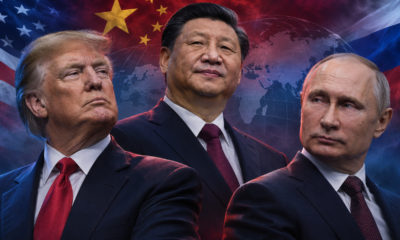
 Diplomacy7 days ago
Trump, Putin, Xi meeting: A new world order or diplomatic spectacle?
-
 News6 days ago
CARICOM Election Observation Mission to Grenada General Elections
-
 Opinion7 days ago
All Hail Our Flamingos! By Boniface Ihiasota
-

 Analysis7 days ago
What Succour Has CNG Brought? By Alabidun Shuaib AbdulRahman
-

 Opinion6 days ago
EDITORIAL: Poverty Is No Licence for Terrorism
-
News2 days ago
Coronavirus disease 2019