
Features
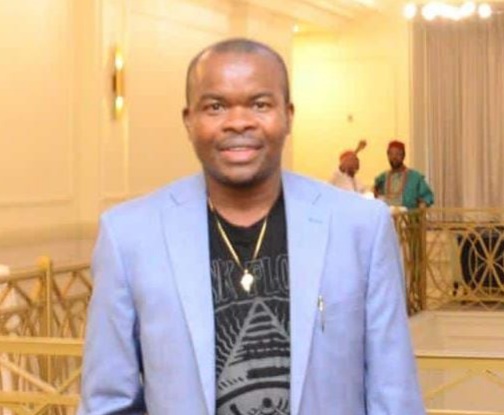
Blood in Jos Again? By Boniface Ihiasota

Blood in Jos Again? By Boniface Ihiasota
The latest killings in Jos are not an isolated tragedy; they are part of a long, painful continuum of violence in Nigeria’s Middle Belt. From afar, many in the diaspora watch with a mix of grief, frustration and weary familiarity. The March 29, 2026 attack in Jos North, which left at least 28 people dead, underscores a recurring failure to break the cycle of bloodshed that has defined the region for decades.
Historically, Plateau State sits at the fault line of Nigeria’s ethno-religious crises. The region has witnessed repeated clashes rooted in disputes over land, grazing rights, and identity politics, often between predominantly Muslim Fulani herders and largely Christian farming communities. These issues have erupted into mass killings over the years, including the Christmas Eve attacks of December 2023 that claimed about 200 lives across several communities. The persistence of such violence reflects deeper structural issues—weak security response, climate-induced resource competition, and unresolved grievances.
The immediate victims of the March 29 attack were ordinary Nigerians—families caught in a nighttime assault by gunmen who reportedly stormed communities and opened fire indiscriminately. Residents and local accounts put the death toll at over 20, while officials later confirmed at least 28 fatalities. Behind the numbers are human stories: parents, children, and breadwinners whose lives were abruptly cut short. One of the most haunting images to emerge was that of a grieving mother clutching her dead son, a symbol of the personal devastation behind national statistics.
Reactions from within Nigeria were swift but divided. The Plateau State Government imposed emergency measures, including curfews, in an attempt to contain further violence. Community leaders and groups condemned the killings as senseless and called for justice, while also urging residents to remain calm. Yet, as has often been the case, these responses appeared reactive rather than preventive—coming after lives had already been lost.
President Bola Tinubu condemned the attacks on March 31, describing them as “barbaric” and vowing that perpetrators would be brought to justice. His administration also promised to strengthen security operations and improve intelligence gathering. However, such assurances have become a familiar refrain in Nigeria’s security discourse, often repeated after each tragedy with limited visible change on the ground.
Although Tinubu’s visit to Jos on Thursday, April 3, 2026, was intended as a gesture of solidarity with victims and their families. During the visit, he met with affected residents, offered condolences, and pledged measures such as the deployment of surveillance technology to curb future attacks. Yet the visit itself became a subject of controversy. Due to logistical constraints, the President addressed victims at the airport rather than visiting affected communities directly, a decision that drew criticism from many Nigerians who viewed it as detached from the reality on the ground.
The backlash was immediate and amplified across social and political spaces. Critics argued that the delay in response and the nature of the visit reflected a lack of urgency and empathy. Opposition voices accused the government of reacting only after public outrage, while others questioned whether symbolic visits could substitute for concrete security reforms. The controversy highlighted a broader trust deficit between citizens and the state, particularly on issues of security.
Perhaps most troubling was the fact that violence did not abate after the presidential visit. Within 24 hours, fresh attacks were reported in parts of Plateau State, including Riyom and Bassa local government areas, resulting in additional deaths and injuries. For many observers, this grim development reinforced the perception that official responses have yet to translate into real protection for vulnerable communities.
From the diaspora, the Jos killings evoke not only sorrow but also a sense of urgency. They raise difficult questions about governance, accountability, and the value placed on human life. While condolences and condemnations are necessary, they are insufficient without sustained action. The recurring nature of these attacks suggests that Nigeria’s security challenges are deeply systemic, requiring more than episodic interventions.
Ultimately, the tragedy in Jos is a reminder that behind every headline are lives interrupted and futures erased. For Nigerians at home and abroad, the hope remains that this latest loss will serve as a turning point—one that compels decisive action to end a cycle of violence that has endured for far too long.



Understanding South Africa’s Xenophobic Violence, by Alabidun Shuaib AbdulRahman
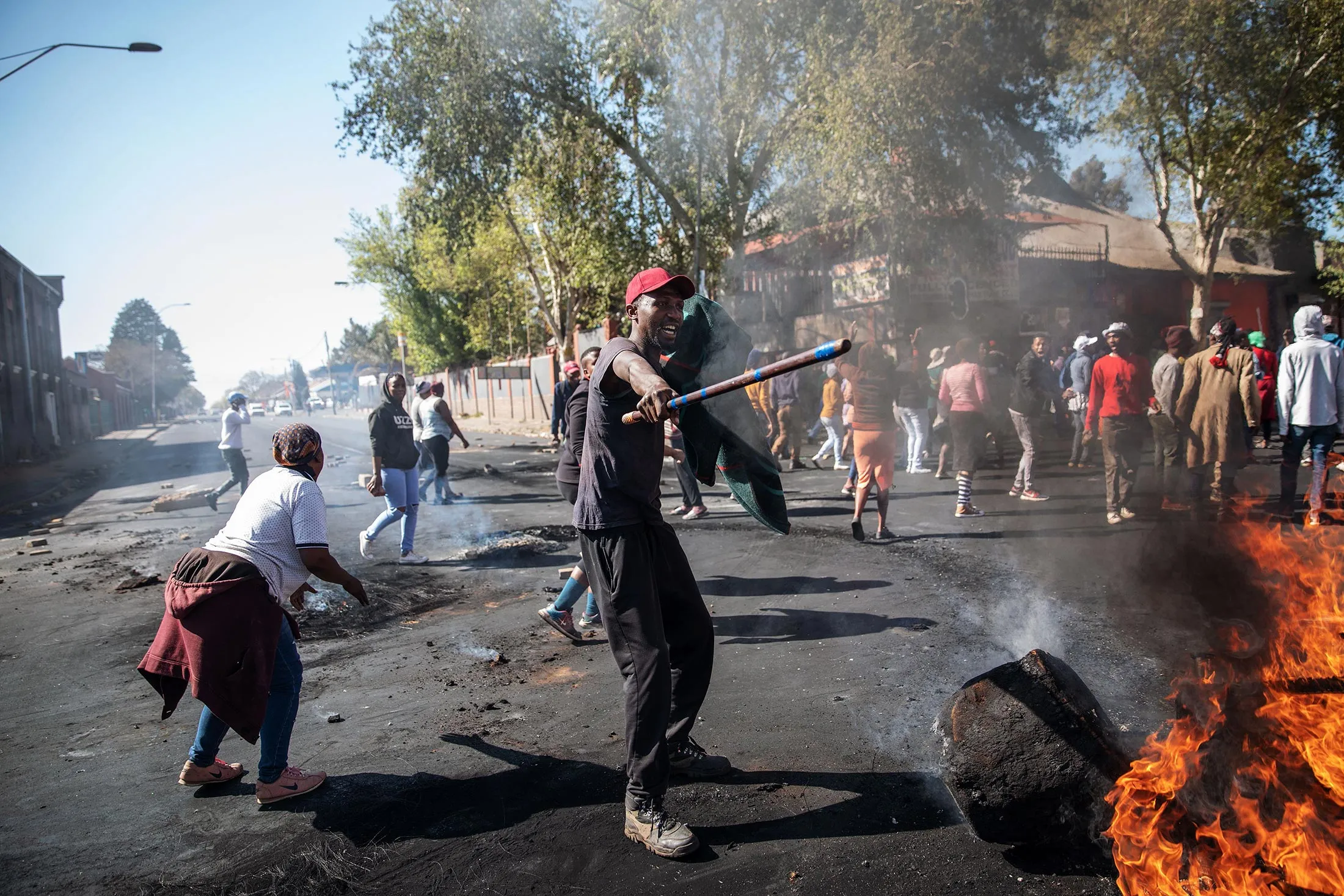
There is a tendency to explain xenophobic violence in South Africa as a spontaneous eruption of anger by frustrated citizens. That explanation is convenient, but it is incomplete. What has unfolded repeatedly across Johannesburg, Durban, Pretoria and other urban centres over the past three decades is not random. It is patterned, predictable, and rooted in deeper structural contradictions within South Africa’s post-apartheid society. To understand it fully is to confront an uncomfortable reality: xenophobia in South Africa is as much about internal failure as it is about external scapegoating, and as much about forgotten history.
Since the formal end of apartheid in 1994, South Africa has occupied a paradoxical position on the continent. It is Africa’s most industrialised economy, yet one of its most unequal societies. It is a democracy born out of global solidarity, yet one that has struggled to extend that same spirit to fellow Africans. These contradictions form the backdrop against which xenophobic violence has evolved.
The early years of democracy created powerful expectations. South Africa was imagined as a land of opportunity, and for many Africans, it became exactly that. Migrants from Nigeria, Zimbabwe, Mozambique, Somalia, Ethiopia and beyond moved into the country in search of economic advancement and stability. Nigerians, in particular, established themselves in commerce, education, entertainment and professional services, becoming one of the most visible African communities in the country.
South Africa’s structural inequality remained largely intact after apartheid. By the late 1990s, unemployment had become entrenched, especially among the youth. Informal settlements expanded, service delivery lagged, and frustration grew. In this environment, the presence of foreign nationals—many of whom operated small businesses in townships and informal markets—became a focal point for resentment.
The first major signal that this resentment could turn violent came in May 2008. What began as localised misunderstandings in Alexandra township near Johannesburg quickly escalated into nationwide attacks. Over the course of weeks, violence spread to multiple provinces, leaving at least 60 people dead and displacing tens of thousands. Shops owned by foreign nationals were looted, homes were destroyed, and entire communities were forced to flee. The victims were overwhelmingly African migrants, reflecting that the violence was not about race in the traditional South African sense, but about nationality and belonging.
The 2008 attacks were widely condemned, both domestically and internationally. The government responded with security deployments and humanitarian assistance, but the underlying causes were not resolved. Instead, the violence established a template that would be repeated in subsequent years.
In April 2015, xenophobic attacks erupted again, beginning in Durban and spreading to other parts of KwaZulu-Natal and Gauteng provinces. At least seven people were killed, and thousands were displaced. The violence followed controversial remarks attributed to Zulu King Goodwill Zwelithini, who was reported to have suggested that foreigners should leave South Africa. Regardless of the intended meaning, the statement resonated with existing anti-immigrant sentiment and contributed to the escalation.
By 2017, the pattern had become more targeted. Nigerian-owned businesses in Pretoria and Johannesburg were attacked, with shops looted and properties destroyed. Nigerians, already burdened by negative stereotypes linking them to crime, found themselves increasingly singled out. These stereotypes, often amplified by social media and sensational reporting, created a climate in which collective punishment was normalised.
The 2019 wave of violence marked another turning point. Attacks in Johannesburg and surrounding areas led to deaths, widespread looting, and renewed diplomatic rifts. The scale and intensity of the violence prompted strong reactions from affected countries, particularly Nigeria. The Nigerian government recalled its High Commissioner from Pretoria and boycotted the World Economic Forum on Africa in Cape Town. There were also retaliatory incidents in Nigeria, where South African-owned businesses were targeted by angry youths.
Behind these episodic eruptions lies a consistent pattern of human and economic loss. Over the years, hundreds of people have been killed, thousands displaced, and billions of naira worth of property destroyed. Nigerian victims alone have suffered disproportionately, with over a hundred deaths recorded within a short span between 2016 and 2018. These figures are not merely statistics; they represent lives disrupted, families broken, and dreams deferred.
Yet, to focus solely on the violence without examining its historical context is to miss a critical dimension of the story. South Africa’s liberation from apartheid was not achieved in isolation. It was the product of sustained international and continental support, in which Nigeria played a leading role.
From the 1960s through the early 1990s, Nigeria positioned itself as a central actor in the anti-apartheid struggle. It provided financial assistance to liberation movements such as the African National Congress, hosted South African exiles, and funded scholarships for thousands of students who could not pursue education at home due to apartheid restrictions. These efforts were not incidental; they were embedded in Nigeria’s foreign policy, which prioritised African liberation and unity.
The country’s commitment extended beyond financial support. In 1976, following the Soweto uprising, Nigeria intensified its diplomatic campaign against apartheid. By 1979, it had nationalised British Petroleum assets in protest against Western engagement with the apartheid regime. Nigeria also played a significant role at the United Nations, advocating for sanctions and contributing to the global isolation that eventually forced the apartheid government to negotiate.
These actions came at a cost. Nigeria sacrificed economic opportunities and diplomatic relationships in pursuit of a broader African cause. The expectation was not repayment, but recognition of a shared destiny. When Nelson Mandela was released in 1990 and later elected president in 1994, that expectation seemed justified.
However, the post-apartheid reality has complicated that narrative. Xenophobic violence has raised difficult questions about the durability of African solidarity. It has exposed the limits of historical memory in shaping contemporary behaviour.
To understand why xenophobia persists, one must examine the structural drivers within South Africa. Economic inequality remains central. The country consistently ranks among the most unequal in the world, with a Gini coefficient that reflects deep disparities in wealth and opportunity. Unemployment rates, particularly among young people, remain high. In such conditions, competition for resources becomes intense, and migrants are often perceived as competitors.
This perception is reinforced by political rhetoric. In times of economic stress, blaming foreigners can be politically expedient. It shifts attention away from governance failures and redirects public anger toward a vulnerable group. Over time, this narrative becomes entrenched, shaping public attitudes and legitimising hostility.
Law enforcement challenges further exacerbate the problem. While the South African government has condemned xenophobic violence and, at times, deployed security forces to restore order, the prosecution of perpetrators has been inconsistent. The result is a cycle of violence followed by temporary calm, without meaningful prosecution. This pattern creates a sense of impunity, encouraging future attacks.
There is also a psychological dimension that cannot be ignored. The transition from apartheid to democracy did not automatically resolve issues of identity and belonging. During apartheid, the struggle against a common oppressor created a sense of unity among black South Africans. In the post-apartheid era, that unifying force has dissipated, leaving space for new forms of exclusion.
Foreign Africans, despite their shared history, have been positioned as outsiders. The term “makwerekwere,” often used derogatorily to describe African migrants, reflects this sense of otherness. It is a linguistic marker of exclusion, one that reinforces the idea that not all Africans are equal within the African space.
For Nigerians, the challenge is compounded by perception. While many Nigerians in South Africa are law-abiding entrepreneurs, professionals and students, a minority involved in criminal activities has shaped public perception disproportionately. This perception has been amplified by media narratives and online discourse, creating a stereotype that is both persistent and damaging.
The result is a community that is simultaneously visible and vulnerable. Nigerian businesses are often among the first targets during xenophobic attacks, and Nigerian nationals frequently bear the brunt of violence. This dynamic reiterates the intersection of economic competition, social perception, and political narrative.
The implications extend beyond South Africa. Xenophobic violence has strained diplomatic relations, particularly between Nigeria and South Africa. These two countries are not just regional powers; they are central to the continent’s economic and political future. This issue between them have ripple effects across Africa, affecting trade, investment, and regional cooperation.
At a broader level, xenophobia challenges the very idea of Pan-Africanism. It raises fundamental questions about the feasibility of continental integration in the face of internal divisions. Initiatives such as the African Continental Free Trade Area depend on the free movement of people, goods, and services. Xenophobic violence undermines these goals, creating barriers where there should be bridges.
Addressing this crisis requires more than condemnation. It demands a comprehensive approach that tackles both immediate triggers and underlying causes. Economic reforms must prioritise inclusion, ensuring that growth translates into opportunities for all residents. Political leaders must exercise restraint in their rhetoric, avoiding narratives that scapegoat migrants.
Law enforcement must be strengthened to ensure proper prosecution. Without consequences, violence will continue to recur. At the same time, there is a need for sustained public education—an effort to reconnect South Africans with their own history and the role that other African nations played in their liberation.
For Nigeria, the response must be measured but firm. Protecting its citizens abroad is a fundamental responsibility, but so is maintaining diplomatic engagement. The relationship between Nigeria and South Africa remains too important to be defined by periodic crises.
In the final analysis, understanding South Africa’s xenophobic violence requires a willingness to confront uncomfortable truths. It is not enough to attribute the problem to ignorance or anger. It is a product of structural inequality, political dynamics, and historical amnesia.
The tragedy lies not only in the violence itself, but in what it represents: a breakdown of the solidarity that once defined Africa’s struggle for freedom. If that solidarity is to be restored, it will require more than memory. It will require action, leadership, and a renewed commitment to the idea that Africa’s future is shared.
Until then, xenophobic violence will remain a recurring wound—one that continues to undermine both South Africa’s promise and Africa’s collective aspiration.
The War Beneath the War, by Alabidun Shuaib AbdulRahman
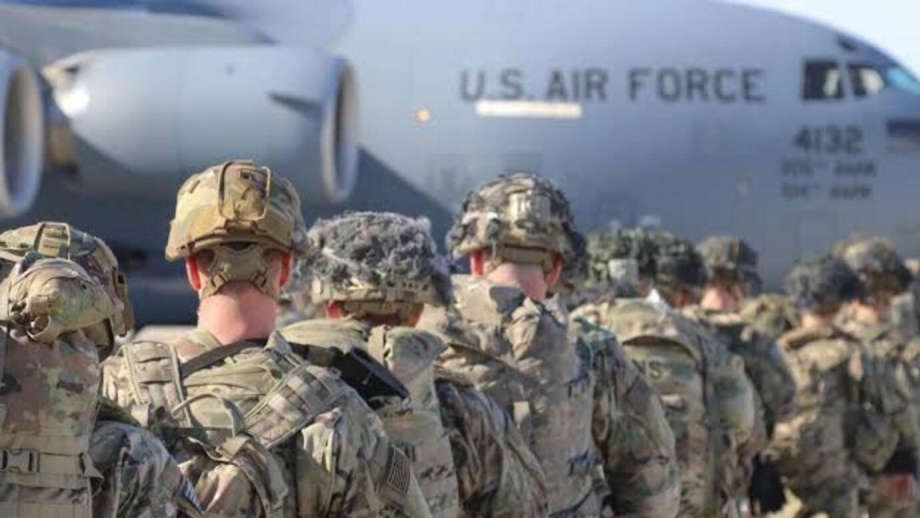
When the rivalry involving the United States, Israel and Iran is discussed in newspapers or on television shows, the focus is almost always on dramatic moments—missile launches, air strikes, nuclear negotiations, or the activities of proxy militias in Lebanon, Iraq and Yemen. Yet these visible episodes tell only a fraction of the story. Beneath them lies a far more consequential contest fought through technology, intelligence systems, covert engineering and cyber operations. It is a war fought not just with weapons, but with code, algorithms, sensors and the manipulation of industrial machinery.
Over the past two decades, the confrontation has gradually transformed into what security analysts describe as systems warfare. The aim is not merely to defeat an enemy army on the battlefield but to sabotage the technological foundations on which a modern state depends its infrastructure, communications networks, scientific programmes and financial systems. This quiet technological instance has unfolded largely outside public attention, even though it has shaped the strategic balance in the Middle East.
The moment that revealed this hidden battlefield most clearly occurred in June 2010 when cybersecurity researchers identified an unusual computer worm circulating across networks around the world. The malware was later named Stuxnet. At first glance it appeared to be another sophisticated cyber intrusion. But detailed analysis soon revealed something far more alarming. Stuxnet had been designed not merely to steal data or disrupt computers; it was built to destroy physical industrial equipment.
The target of the malware was Iran’s uranium enrichment complex at the Natanz Nuclear Facility, located roughly 250 kilometres south of Tehran in Isfahan Province. Natanz housed thousands of centrifuges used to enrich uranium gas for Iran’s nuclear programme. These centrifuges, delicate machines spinning at extremely high speeds were controlled by programmable logic controllers produced by the German engineering company Siemens.
Stuxnet infiltrated the facility’s control systems and subtly altered the instructions regulating centrifuge speed. At specific intervals, the malware forced the centrifuges to accelerate far beyond their normal operational limits before abruptly slowing them down again. This repeated stress caused mechanical failure. At the same time, the virus fed false data to monitoring screens so that Iranian technicians would see readings indicating that everything was functioning normally.
By the time the attack was discovered, the damage had already been done. Security analysts later estimated that approximately 1,000 centrifuges, roughly one-fifth of Iran’s installed capacity at Natanz in 2009 had been destroyed. Subsequent investigative reporting revealed that the operation was part of a covert cyber programme known as Operation Olympic Games, initiated during the presidency of George W. Bush and later expanded under Barack Obama. Although neither United States nor Israel officially acknowledged responsibility. Although it was later confirmed that the operation was a joint effort by both Countries’ cyber specialists.
The importance of Stuxnet cannot be overstated. It represented the first publicly known cyber weapon capable of causing physical destruction to industrial infrastructure. In effect, it proved that lines of computer code could function as strategic weapons. Before Stuxnet, cyber warfare was generally associated with espionage or data theft. After Stuxnet, it became clear that cyber tools could sabotage factories, power plants and transportation systems.
This revelation carried profound implications. Modern societies depend on complex networks of industrial control systems which are software platforms that manage electricity grids, water treatment plants, oil pipelines, manufacturing facilities and transportation networks. Many of these systems were designed decades ago with minimal cybersecurity protections. By exploiting these vulnerabilities, technologically advanced countries can potentially disrupt entire sectors of national infrastructure without firing a single missile.
Yet cyber sabotage is only one dimension of the technological struggle involving the United States, Israel and Iran. Intelligence gathering has also undergone a profound transformation with the rise of artificial intelligence and advanced data analysis. Modern intelligence agencies collect staggering volumes of information: satellite imagery, intercepted communications, digital transactions, social media activity and geolocation data from billions of mobile devices. Processing such enormous datasets would overwhelm human analysts.
To solve this problem, intelligence organisations increasingly rely on machine learning algorithms capable of detecting patterns within massive streams of data. Israel’s signals intelligence division within the Israel Defense Forces, widely known as Unit 8200, has invested heavily in such technologies. These systems help analysts identify suspicious logistical movements, map covert networks and monitor scientific activities linked to Iran’s missile and nuclear programmes.
Artificial intelligence has therefore become a powerful tool in identifying individuals and facilities associated with sensitive research. Over the years, several Iranian nuclear scientists have been targeted in covert operations. One of the most dramatic incidents occurred on 27 November 2020 when Mohsen Fakhrizadeh, a senior physicist widely regarded as the architect of Iran’s nuclear weapons research, was assassinated near the town of Absard east of Tehran. Iranian officials later claimed that the attack involved a sophisticated remote-controlled machine gun mounted on a vehicle, demonstrating the increasing role of advanced technology in covert operations.
Drone technology has also become a critical instrument in the shadow conflict between Israel and Iran. Unmanned aerial vehicles have evolved rapidly over the past two decades, becoming smaller, cheaper and more versatile. Intelligence reports suggest that Israeli operatives have occasionally smuggled drone components into Iran through clandestine networks. Once assembled near strategic installations, these drones can be launched to attack radar systems, missile launchers or ammunition depots.
Such operations represent a new form of warfare sometimes described by analysts as “inside-out attacks.” Instead of launching strikes from outside a country’s borders, covert assets positioned within the target state create vulnerabilities that can later be exploited. By disabling air defence radars or surface-to-air missile batteries, these drones can make it easier for conventional aircraft to operate if a broader conflict erupts.
Another largely invisible battlefield lies within telecommunications networks. Modern military forces rely on secure communication systems linking field units with central command structures. If those communications are disrupted, even highly capable armed forces can struggle to coordinate operations. Cyber units therefore often attempt to infiltrate telecommunications infrastructure before or during military operations.
Such attacks may involve manipulating network routing systems, penetrating data centres or disrupting fibre-optic communication nodes. Although details are rarely disclosed publicly, analysts widely believe that telecommunications systems in the Middle East have periodically been targeted during periods of heightened tension between Israel and Iran. The goal is not necessarily permanent destruction but temporary paralysis—disrupting an adversary’s ability to respond quickly during a crisis.
Financial infrastructure has also become a target in this technological contest. Banking systems, electronic payment platforms and cryptocurrency exchanges now form essential parts of modern economies. Disrupting these systems can generate economic instability and public frustration. Cyber operations targeting financial databases or digital payment networks can therefore serve as instruments of strategic pressure.
Iran’s economy, already strained by international sanctions, is particularly vulnerable to such disruptions. Government subsidy programmes for fuel and basic commodities rely heavily on digital infrastructure. If cyber attacks interrupt payment systems or corrupt financial records, millions of citizens may suddenly find themselves unable to access essential services. In this way, cyber warfare can exert pressure not only on governments but also on societies.
Another rarely discussed aspect of the confrontation involves supply-chain sabotage. Nuclear programmes depend on highly specialised equipment—centrifuge components, electronic sensors, control circuits and advanced materials. Because these components are difficult to manufacture domestically, procurement networks often span multiple countries and intermediaries.
Taken together, these various operations reveal how profoundly warfare has changed in the twenty-first century. In earlier eras, military power was measured primarily by the size of armies, the number of tanks or the range of missiles. Today, power increasingly depends on technological expertise—cyber capabilities, data analysis, advanced electronics and intelligence networks capable of penetrating the digital architecture of modern states.
The rivalry involving the United States, Israel and Iran therefore provides an early glimpse into the future of conflict. The most decisive battles may not occur on visible battlefields but within the hidden systems that sustain national power: computer networks, industrial machinery, telecommunications infrastructure and financial databases.
This reality poses difficult challenges for policymakers. Cyber attacks can be extremely difficult to attribute with certainty, allowing states to conduct covert operations without openly acknowledging responsibility. This ambiguity complicates traditional deterrence strategies. In conventional warfare, identifying an attacker is usually straightforward; in cyberspace, digital footprints can be manipulated or disguised.
Moreover, the vulnerabilities exploited in operations like Stuxnet are not unique to Iran. Similar industrial control systems operate in power plants, transportation networks and factories across the world. As cyber capabilities continue to evolve, the possibility of attacks targeting critical infrastructure in other countries—including major global economies—becomes increasingly real.
Alabidun is a media practitioner and can be reached via alabidungoldenson@gmail.com
The United States, Israel and the Iran Question, by Alabidun Shuaib AbdulRahman
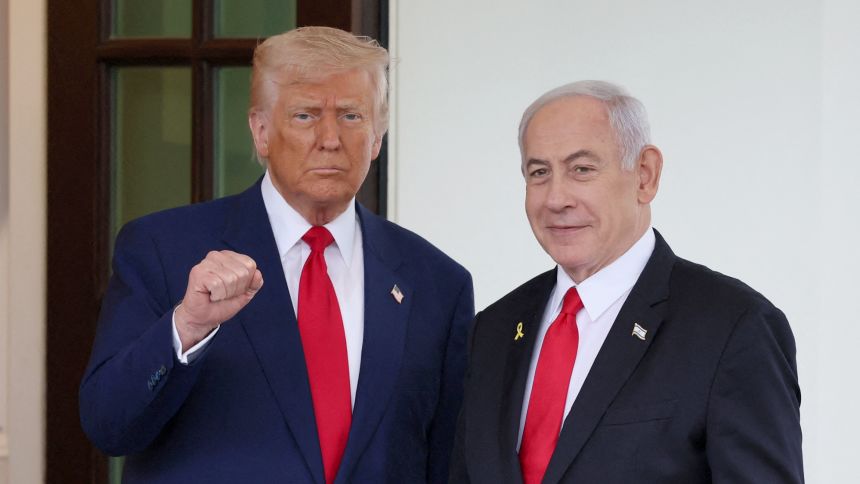
In the theatre of West Asian geopolitics, few rivalries have proved as enduring, combustible and globally consequential as that between the Islamic Republic of Iran on one side and the United States and Israel on the other. Though there has been no formally declared all-out war between Washington, Tel Aviv and Tehran, what has unfolded over decades is a sustained shadow war—punctuated by assassinations, cyberattacks, proxy confrontations, economic strangulation and calibrated military strikes. To describe it merely as standoff is to understate its strategic depth; to label it a conventional war is to misunderstand its hybrid, multi-layered character.
The roots of hostility between the United States and Iran trace back to 1979. On February 11 of that year, the Iranian Revolution led by Ayatollah Ruhollah Khomeini overthrew Shah Mohammad Reza Pahlavi, a key American ally in the Persian Gulf. The subsequent seizure of the US Embassy in Tehran on November 4, 1979, and the 444-day hostage crisis marked a definitive rupture. Diplomatic relations were severed in April 1980. Since then, relations have oscillated between cautious engagement and open confrontation, but never reconciliation.
For Israel, Iran’s transformation into an ideologically anti-Zionist state posed an existential dilemma. The Islamic Republic’s leadership has consistently refused to recognise Israel and has supported armed groups such as Hezbollah in Lebanon and Hamas in Gaza. This ideological antagonism hardened over time into strategic rivalry, especially as Iran expanded its regional footprint in Iraq, Syria and Lebanon after the 2003 US-led invasion of Iraq.
The nuclear question sharpened the conflict. In 2002, revelations about undisclosed Iranian nuclear facilities in Natanz and Arak intensified Western suspicions about Tehran’s intentions. Israel, under successive prime ministers including Ariel Sharon and later Benjamin Netanyahu, framed Iran’s nuclear programme as an existential threat. Netanyahu’s address to the United States Congress on March 3, 2015—delivered in opposition to then-President Barack Obama’s policy—underscored Israel’s resistance to any deal that, in its view, left Iran with nuclear latency.
That deal materialised on July 14, 2015, when Iran and the P5+1 (the United States, United Kingdom, France, Russia, China and Germany) signed the Joint Comprehensive Plan of Action (JCPOA). The agreement imposed strict limits on Iran’s uranium enrichment in exchange for sanctions relief. However, on May 8, 2018, President Donald Trump withdrew the United States from the accord, describing it as “the worst deal ever negotiated.” The reimposition of sweeping sanctions under the “maximum pressure” campaign plunged Iran’s economy into recession and escalated rivalries across the Gulf.
What followed was a cycle of escalation. On January 3, 2020, a US drone strike near Baghdad International Airport killed Major General Qassem Soleimani, commander of Iran’s Quds Force. The strike marked one of the most dramatic overt confrontations between the two states. Iran responded on January 8, 2020, by launching ballistic missiles at US bases in Iraq, injuring dozens of American personnel. The region teetered on the brink of open war, but both sides ultimately calibrated their actions to avoid full-scale conflict.
Parallel to the US-Iran confrontation, Israel intensified what it termed the “campaign between wars” (MABAM), targeting Iranian military infrastructure in Syria. Since 2013, Israel has conducted hundreds of airstrikes aimed at preventing Iran from entrenching itself militarily near Israeli borders. The covert dimension of this war has included cyber operations—most notably the Stuxnet virus, widely attributed to US-Israeli cooperation around 2010, which damaged Iranian centrifuges at Natanz—and assassinations of Iranian nuclear scientists, including Mohsen Fakhrizadeh, killed on November 27, 2020.
Geopolitically, the conflict is nested within broader power realignments. The Abraham Accords, signed on September 15, 2020, normalised relations between Israel and the United Arab Emirates and Bahrain, later joined by Morocco and Sudan. Though framed as peace agreements, they also represented the crystallisation of a tacit anti-Iran coalition among certain Arab states and Israel. Saudi Arabia, while not formally part of the Accords, has long viewed Iran as its principal regional rival, particularly in Yemen and the Gulf.
Iran, for its part, has relied on asymmetric warfare and proxy networks. Hezbollah in Lebanon, the Popular Mobilisation Forces in Iraq, the Houthis in Yemen and various militias in Syria form what analysts describe as Iran’s “Axis of Resistance.” This network enables Tehran to project power without inviting direct conventional confrontation with superior US and Israeli forces.
The world economy sits uncomfortably at the heart of this contest. Iran borders the Strait of Hormuz, through which roughly 20 per cent of global oil supply transits. Any significant disruption would reverberate through energy markets. During periods of heightened crisis—such as June 2019, when oil tankers were attacked near the Gulf of Oman—global crude prices spiked. The mere spectre of closure of the Strait can unsettle markets from New York to Shanghai.
Sanctions have had mixed global effects. For Iran, they have meant currency depreciation, inflation and reduced oil exports. For global markets, they have tightened supply, particularly when combined with other shocks such as Russia’s invasion of Ukraine in February 2022. Energy-importing countries, including many in sub-Saharan Africa, feel the downstream effects in fuel prices and inflationary pressures. Nigeria, despite being an oil producer, is not insulated; global price volatility influences domestic subsidy debates, fiscal planning and foreign exchange stability.
Allies of the United States are caught in a delicate balancing act. European signatories to the JCPOA—France, Germany and the United Kingdom—have consistently supported diplomatic engagement while criticising Iran’s ballistic missile programme and regional activities. The European Union has attempted to preserve the nuclear deal framework even after Washington’s withdrawal, though with limited success. NATO as an institution is not formally engaged in hostilities with Iran, but US actions inevitably affect alliance cohesion.
Israel’s allies, particularly the United States, have reaffirmed an “ironclad” commitment to its security. Military aid to Israel has averaged approximately $3.8 billion annually under a 10-year memorandum of understanding signed in 2016. In times of heightened tension, Washington has deployed carrier strike groups to the Eastern Mediterranean and Persian Gulf as a deterrent signal to Tehran.
On the other side, Iran’s strategic partnerships with Russia and China have deepened. In March 2021, Iran and China signed a 25-year cooperation agreement covering energy, infrastructure and security. Russia and Iran have also expanded military and economic ties, particularly after Western sanctions isolated Moscow in 2022. Yet neither Beijing nor Moscow appears eager to be drawn into a direct war on Iran’s behalf; their support is calibrated, not unconditional.
What of the broader Global South? Countries in Africa, Latin America and parts of Asia often view the US-Iran-Israel confrontation through the prism of non-alignment and economic pragmatism. Many rely on Gulf remittances, energy imports or trade routes vulnerable to instability. An open war would likely trigger oil price surges, shipping disruptions and currency volatility. For fragile economies already grappling with debt distress and food insecurity, such shocks could prove destabilising.
There is also the nuclear proliferation dimension. If Iran were to cross the nuclear threshold—an outcome Israeli leaders have repeatedly vowed to prevent—regional rivals such as Saudi Arabia might pursue their own nuclear capabilities. Crown Prince Mohammed bin Salman stated in a March 2018 interview with CBS that if Iran developed a nuclear weapon, “we will follow suit as soon as possible.” The prospect of a multipolar nuclear Middle East would dramatically alter global security calculations.
Yet it is important to distinguish rhetoric from reality. As of the latest publicly available assessments by the International Atomic Energy Agency, Iran has enriched uranium to high levels but has not formally declared a nuclear weapons programme. Israel, widely believed to possess nuclear weapons though it maintains a policy of ambiguity, has not signed the Nuclear Non-Proliferation Treaty. The asymmetry complicates diplomatic discourse and fuels mutual suspicion.
What, then, is expected of allies? For the United States, allies will likely provide diplomatic backing, intelligence cooperation and, in some cases, logistical support. Direct troop commitments appear improbable outside extreme scenarios. For Israel, regional partners under the Abraham Accords may quietly facilitate airspace access or intelligence sharing, though overt participation in strikes against Iran would risk domestic backlash.
For Iran’s allies and partners, the expectation would centre on economic lifelines and diplomatic shielding at the United Nations Security Council. Russia and China could veto resolutions perceived as authorising force. However, both powers must weigh their broader economic ties with Gulf states and Israel.
Ultimately, the “war” waged on Iran by the United States and Israel is less a single conflagration than a prolonged strategic contest. It is fought in airspace over Syria, in the waters of the Gulf, in cyber networks and in negotiating rooms from Vienna to New York. Its tempo fluctuates, but its structural drivers—ideology, security dilemmas, regional hegemony and nuclear anxieties—remain entrenched.
For the global world, the implications are sobering. Energy markets remain hostage to escalation. International law is strained by targeted killings and covert operations. Multilateral diplomacy oscillates between revival and collapse. In an era already defined by great power rivalry, the Iran question adds another layer of volatility.
The lesson of the past four decades is that neither maximum pressure nor calibrated strikes have resolved the underlying dispute. Nor has Iran’s strategy of resistance compelled recognition on its terms. The path forward, if there is one, lies not in rhetorical absolutism but in a recalibration of deterrence and diplomacy.
Alabidun is a media practitioner and can be reached via alabidungoldenson@gmail.com


Diaspora Divas

Diaspora Watch – Vol. 87

CARICOM Scribe Barnett to Speak at Caribbean Energy Week

Pastor Jerry Eze Defends Miracles At UK Conference Amidst Criticism And Controversy

Diaspora Watch 20th Edition (October 14-20, 2024): Your Trusted Source for Global News and Insights

Tanzanian Man Reportedly Dies And Returns To Life Six Times


-
 Diaspora1 week ago
Diaspora Watch Vol. 86
-
 Trending2 hours ago
Diaspora Watch – Vol. 87
-

 News10 hours ago
Artemis II Crew Captures Stunning Images of Earth Midway to Moon
-

 Diaspora2 days ago
Diaspora Diva – Duckie Thot
-
 News10 hours ago
US, Iran Search for Missing Airman After Warplane Downed
-
 News9 hours ago
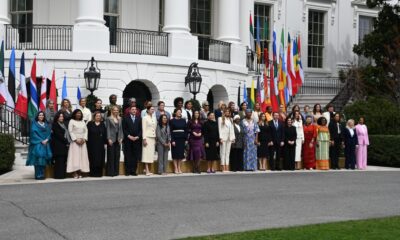
Melania Trump Rallies 45 Nations on AI-powered Education