
News
Whales: Giants of the Ocean

Whales: Giants of the Ocean
Whales are among the largest and most remarkable animals on Earth. These marine mammals live in oceans around the world, from warm tropical waters to the cold seas surrounding the poles.
Life Beneath the Surface
Although whales spend their lives in water, they breathe air through blowholes located on top of their heads. They must regularly return to the surface to breathe before diving again in search of food or traveling through the ocean.
Whales are warm-blooded, give birth to live young, and nurse their calves with milk. A thick layer of fat called blubber helps protect them from cold water and stores energy during long migrations.
Two Main Groups
Whales are generally divided into baleen whales and toothed whales. Baleen whales filter small animals from the water using flexible plates inside their mouths. This group includes blue whales, humpback whales, and gray whales.
Toothed whales use teeth to catch fish, squid, and other prey. Many of them also use echolocation, producing sounds and listening for returning echoes to understand their surroundings. Sperm whales, belugas, and orcas belong to this group.
The Blue Whale
The blue whale is the largest known animal to have ever lived. An adult can grow longer than a city bus and weigh well over one hundred tonnes. Despite its enormous size, it feeds mainly on tiny crustaceans called krill.
Communication and Migration
Whales communicate using clicks, whistles, pulses, and complex songs. Some sounds can travel across great distances underwater. Humpback whales are especially famous for their long, patterned songs.
Many species migrate thousands of kilometres each year. They often feed in cold, nutrient-rich waters before traveling to warmer regions where they mate and give birth.
Protecting Whales
Commercial hunting once caused severe declines in many whale populations. Today, whales also face threats from fishing gear, ship collisions, underwater noise, pollution, and changes to ocean ecosystems.
Conservation programs, safer fishing practices, protected habitats, and international cooperation can help whale populations recover. Protecting whales also supports healthier oceans because these animals play an important role in marine food webs and nutrient cycles.


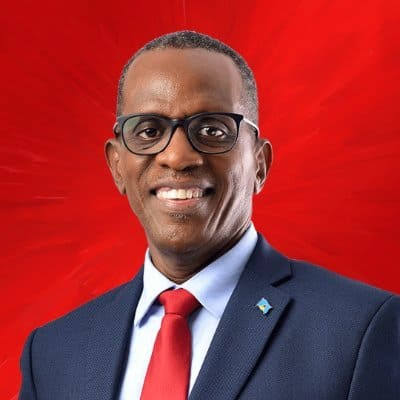
CARICOM Election Observation Mission to Grenada General Elections
In response to an invitation from the Government of Grenada, the Caribbean Community (CARICOM) mounted an eleven (11) member CARICOM Election Observation Mission (CEOM) to observe the General Elections held in Grenada on 5 November 2026.
The Mission comprised electoral experts from eight (8) CARICOM Member States: Antigua and Barbuda, Barbados, The Bahamas, Belize, Guyana, Jamaica, Saint Lucia, and Saint Vincent and the Grenadines. Administrative and logistical support was provided by three (3) members of the CARICOM Secretariat.
The CEOM observed the preparations for and conduct of the elections to provide an independent, impartial and informed assessment of the electoral process, and to take note of any factors that may affect the credibility and transparency of the elections.
PRE-ELECTION ACTIVITIES AND STAKEHOLDER ENGAGEMENT
The Chief of Mission and members of the CEOM arrived in Grenada during the period 29 October to 1 November 2026. As part of its pre-election activities, the Mission consulted widely with a broad cross-section of Grenadian society to gain an understanding of the prevailing political and electoral environment and to assess the level of preparedness for the General Elections. Stakeholders with whom the Mission engaged included:
Ms. Grace Thomas, Chairperson of the National Democratic Congress (NDC), and other members of her team;
Ms. Emmalin Pierre, Leader of the New National Party (NNP), the main Opposition Party and members of her team;
Mr. Peter David, Leader of the Democratic People’s Movement (PDM),
Mr. Jonathan La Crette, Leader of the People’s National Party (PNP) and sole Candidate;
Mr. Randy Connaught, Commissioner of Police and other members of the High Command of the Royal Grenada Police Force;
Ms. Calistra Farrier, Chairperson, of the Grenada Media Workers Association;
Ms. Jennifer Simon, Policial Analysist and Social Commentor;
Mr. Kem Jones, Political Analysist and Social Commentor;
The Independent Caucus for Constitutional Reform;
The Grenada Chamber of Industry and Commerce;
The Grenada Trades’ Union Council;
The Grenada National Council for Disabled;
The Grenada Integrity Commission; and
Other Observation Groups.
The Mission also met with Mr. Arthur Pierre, Supervisor of Elections and his management team. The engagement provided the CEOM with an opportunity to receive information on the preparations for the elections, including the arrangements for the conduct of the polls.
These consultations provided the Mission with the necessary perspectives on the electoral environment and the preparedness of the relevant institutions and stakeholders for the General Elections.
Advance Poll – 2 November 2026
The CEOM observed the conduct of the advance poll held on 2 November 2026, which provided an opportunity for members of the Royal Grenada Police Force to cast their ballots ahead of Election Day. The Mission observed the process and noted no significant issues during the conduct of the advance poll.
ELECTION DAY OBSERVATIONS
Deployment of Observation Teams
On Election Day, members of the CEOM were deployed across mainland Grenada and Carriacou to observe the electoral process. The teams visited a total of two hundred and eighty-two (282) polling stations, covering all polling stations on the two islands and all fifteen (15) constituencies.
During their visits, observers engaged with Returning Officers, Presiding Officers, polling staff, party agents and other stakeholders, and observed the various stages of the electoral process, including the opening of the polls, the voting, the closing of the polls and the counting of ballots.
Opening of the Poll
The CEOM observer teams arrived at the polling stations prior to the opening of the poll to observe the preparations and opening procedures. The Mission noted the following:
– there was an adequate police presence at the polling locations;
– polling staff were present, and the necessary election materials and supplies had been delivered in time to ensure polls opened promptly at 6:00 a.m.;
– at least two (2) polling agents representing the political parties were present in most polling divisions;
– the requisite notices and instructions for electors were displayed at the polling stations;
– the polling staff carried out the opening of the poll procedures as required;
– generally, polling divisions opened on time and voters were able to cast their vote in a very peaceful and orderly manner; and Electors were already present at a number of polling stations when the observer teams arrived.
Voting Process
At the polling locations visited, the Mission observed that most locations had the list of electors displayed to enable voters to verify their names. The Polling Station Marshalls were also available to assist electors in checking the lists and directing them to the appropriate polling divisions.
The polling staff appeared to be adequately trained and conducted themselves in a courteous and professional manner. They provided assistance to elderly electors and persons with disabilities and explained the voting procedures to electors in an impartial and consistent manner.
The Mission also observed that voter turnout was steady at a number of polling stations during the morning and towards the close of the polls, although activity was generally slow during the intervening hours.
Throughout the day, polling staff remained focused on their duties and continued to administer the voting process in accordance with the prescribed procedures, ensuring that eligible electors were able to exercise their franchise.
Overall, the CEOM observed that the voting procedures at the polling stations visited were conducted in accordance with the procedures and guidelines established by the Grenada Parliamentary Elections Office.
Close of Poll
The CEOM observer teams returned to the polling stations where they had observed the opening of the polls to witness the closing procedures. Teams arrived ahead of the scheduled close of the polls.
At 5:00 p.m., Presiding Officers formally declared the polls closed. At most of the polling stations observed, there were no electors waiting in line at the time of closure. At those stations where electors were still in line, they were permitted to cast their ballots in accordance with the established procedures.
Counting of Ballots
The CEOM teams observed the procedures following the close of the polls, including the counting of ballots, the sealing of ballot boxes and the arrangements for the transportation of ballot boxes to the designated Holding Stations.
At the polling stations where the counting process was observed, ballot boxes were opened in the presence of polling agents, electors and observers. The ballots were counted in accordance with the established procedures.
The Mission noted that the counting process was conducted in an orderly manner, with the relevant stakeholders afforded the opportunity to observe the proceedings.
Overall impression
The CEOM is of the view that on elections day, electors were able to exercise their franchise in a peaceful and orderly manner without significant incident.
The Mission commends the polling day workers for the professional and courteous manner in which they discharged their responsibilities throughout the electoral process. The Royal Grenada Police Force also maintained law and order at the polling stations and demonstrated professionalism in their interactions with electors and other stakeholders.
The CEOM congratulates the Supervisor of Elections and the staff of the Grenada Parliamentary Elections Office for their administration of the electoral process. The Mission also commends the political parties, their polling agents and supporters for their conduct on Election Day, and the electorate for their participation in the democratic process.
Conclusion
This Preliminary Statement provides an initial assessment of the CEOM’s observations of the electoral process. A comprehensive Final Report, outlining the Mission’s detailed findings and recommendations, will be submitted to the Secretary-General of CARICOM in the coming weeks.
CARICOM reaffirms its commitment to continuing to support Grenada’s democratic journey and its pursuit of a peaceful, unified and prosperous future for all Grenadians.
The CEOM also expresses its sincere appreciation to all individuals and organisations who made themselves available to meet with the Mission and who contributed to its understanding of the electoral environment in Grenada.
HERMAN ST. HELEN
CHIEF OF MISSION
CARICOM ELECTION OBSERVATION MISSION (CEOM)
ST. GEORGES, GRENADA
6TH NOVEMBER 2026
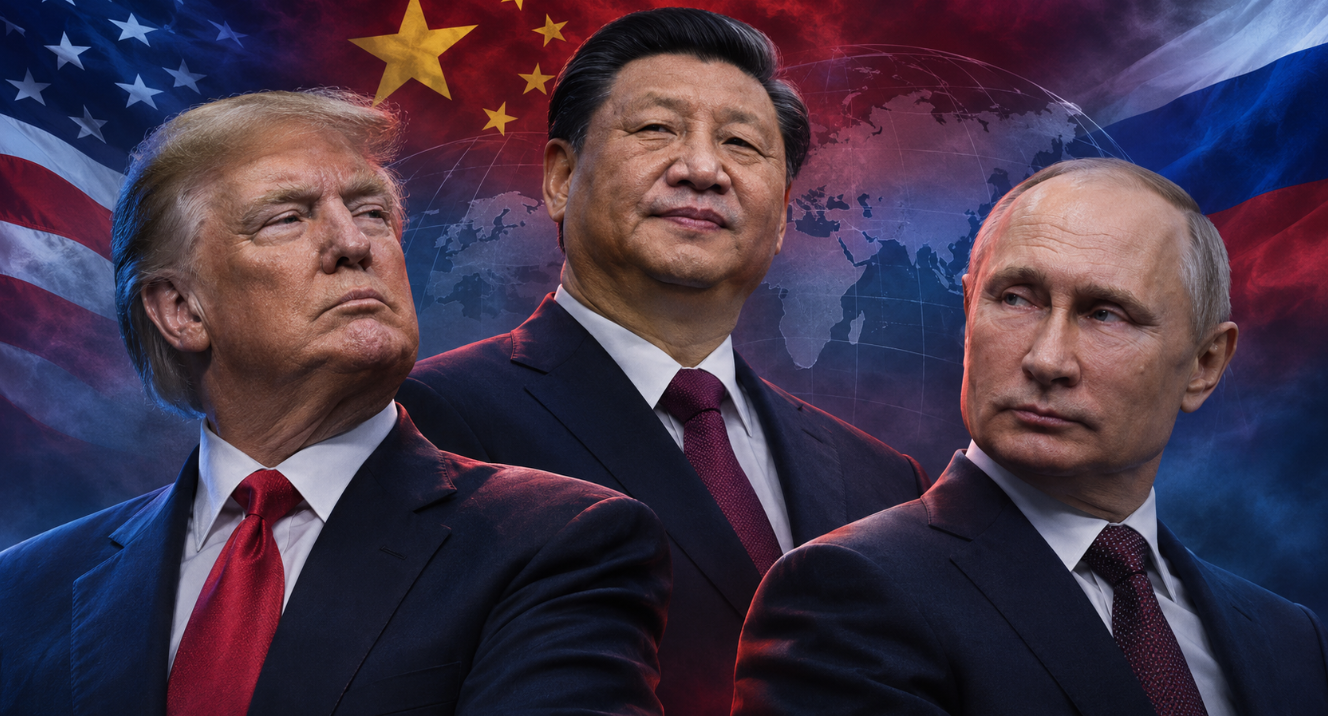
Trump, Putin, Xi meeting: A new world order or diplomatic spectacle?
The planned gathering of the leaders of the United States, Russia and China in Shenzhen comes at a critical moment for global security, nuclear arms control, the wars in Ukraine and Iran, and the shifting balance of international power. But beyond its historic symbolism, the meeting faces the difficult task of reconciling three competing national interests.
The international community is preparing for an extraordinary diplomatic encounter as United States President Donald Trump, Russian President Vladimir Putin and Chinese President Xi Jinping are scheduled to meet in China next week in what could become one of the most consequential gatherings of world leaders in recent years.
The White House confirmed on Friday that the three leaders would hold a trilateral meeting on the sidelines of the Asia-Pacific Economic Cooperation summit in Shenzhen, southern China, marking an unprecedented gathering of the leaders of the three countries with the world’s largest nuclear arsenals.
The announcement, made on November 13 and further reported on November 14, has attracted international attention because of its potential implications for global security, nuclear weapons control, the wars in Ukraine and Iran, and the increasingly complicated relationship between Washington, Moscow and Beijing.
White House Assistant Press Secretary Olivia Wales said Trump would conclude his visit to China with the trilateral engagement, following a bilateral meeting and working lunch with Xi.
The meeting is expected to take place on Thursday, November 19, during the APEC summit scheduled for November 18 and 19. A senior American official, however, has cautioned that Washington does not expect an immediate agreement to emerge from the discussions.
While the gathering carries considerable historical symbolism, its success will depend on whether the three leaders can move beyond diplomatic appearances and address the substantive disagreements separating their governments.
According to reports by Reuters and the Associated Press on November 14, discussions over the format and agenda had remained delicate, with the three countries approaching the proposed encounter from different strategic positions.
The meeting therefore presents a paradox: the world’s three most influential nuclear powers are preparing to sit together at a time when their interests increasingly overlap in some areas but sharply diverge in others.
Nuclear weapons at the centre of the negotiations
One of the principal issues expected to dominate the meeting is nuclear arms control, particularly following the expiration of the New Strategic Arms Reduction Treaty, popularly known as New START, between Washington and Moscow in February 2026.
The treaty, signed in 2010, provided limits on the strategic nuclear weapons deployed by the United States and Russia. It capped each country at 1,550 deployed strategic nuclear warheads and 700 deployed delivery systems, including intercontinental ballistic missiles, submarine-launched ballistic missiles and heavy bombers.
Its expiration removed the last major legally binding framework restricting the strategic nuclear arsenals of the two countries.
United Nations Secretary-General António Guterres described the development on February 5 as a grave moment for international peace and security, warning that the world had entered a period without binding limits on the strategic nuclear arsenals of its two largest nuclear powers.
The Stockholm International Peace Research Institute’s 2025 assessment estimated that Russia possessed 5,459 nuclear warheads in its total inventory, while the United States had approximately 5,177. China’s inventory was estimated at 600 warheads at the beginning of 2025.
More recent estimates published by the Federation of American Scientists put Russia’s total inventory at approximately 5,420, the United States at 5,042 and China at 620 in 2026.
These figures include different categories of warheads, including deployed, stored and retired weapons awaiting dismantlement. Collectively, the three countries account for the overwhelming majority of the world’s nuclear weapons.
Trump’s interest in bringing China into a new nuclear arms control arrangement is therefore understandable from Washington’s strategic perspective. An agreement covering only Russia and the United States would leave China’s expanding nuclear capabilities outside the framework.
However, Beijing has little incentive to accept restrictions designed around arsenals several times larger than its own.
China’s position has consistently been that its nuclear capabilities are primarily defensive and that countries possessing substantially larger nuclear stockpiles should take the lead in disarmament.
This creates a fundamental negotiating difficulty. Washington wants Beijing included in a new arrangement, while Beijing is reluctant to accept obligations that could restrict its strategic development without comparable reductions by the other two powers.
The challenge is not simply persuading three presidents to sit around a table. It is developing a framework that recognises the different sizes, doctrines and security concerns of their nuclear forces.
A senior American official has already indicated that Washington does not expect an agreement from next week’s meeting. Rather, the administration considers it an entry point for discussions at the highest political level.
Such a starting point could still matter. Renewed communication between the three nuclear powers could reduce the possibility of miscalculation, establish channels for future negotiations and create momentum towards a more comprehensive arms control arrangement.
Ukraine and the question of a new Yalta
The proposed meeting has generated considerable anxiety over the future of Ukraine. Russia’s invasion of Ukraine in February 2022 fundamentally changed European security and relations between Moscow and Western governments. The conflict has continued despite several diplomatic initiatives, with the United States seeking to facilitate negotiations between the two countries.
Putin has a strong interest in using the gathering to discuss the conflict and Russia’s desired terms for ending it. However, Washington has indicated that Ukraine is unlikely to feature in the trilateral discussions because it is pursuing a separate diplomatic process involving Kyiv and Moscow.
China has maintained relations with Russia throughout the conflict and has become an increasingly important economic partner to Moscow. Its purchases of Russian energy and supply of goods and technological components have helped sustain bilateral economic relations amid Western sanctions.
According to Associated Press reporting, Beijing has also been reluctant to place Ukraine at the centre of the proposed three-way meeting.
For Putin, however, the opportunity to meet Trump and Xi together carries diplomatic significance beyond the immediate question of a ceasefire.
The proposed meeting has consequently attracted comparisons with the Yalta Conference of February 1945, when the leaders of the United States, Britain and the Soviet Union met to discuss the post-Second World War settlement.
The historical comparison is particularly sensitive because Yalta became associated with decisions concerning the post-war political arrangement in Europe and the distribution of influence among major powers.
Ukrainian President Volodymyr Zelenskyy has expressed concern about the possibility of major powers discussing his country’s future without its participation.
There is also a difference between the 1945 gathering and the proposed Shenzhen meeting. China was not a participant in the Yalta Conference, while the forthcoming encounter would involve three nuclear-armed countries with competing interests in an international system that includes numerous independent states and multilateral institutions.
The meeting should therefore not automatically be interpreted as a new agreement to divide the world into spheres of influence.
Nevertheless, its implications for countries outside the negotiating room deserve attention. Ukraine, European governments and other states concerned about the security consequences of a possible settlement will be watching closely.
Iran, the other major flashpoint
Iran is another issue expected to feature in the discussions.
Trump has indicated that he wants to discuss the conflict involving Iran with Putin and Xi. The White House has also confirmed that the subject is expected to be raised during the trilateral engagement.
The United States has a direct interest in the outcome because of its military and security involvement. Russia has maintained strategic relations with Tehran, while China has cultivated significant economic and diplomatic ties with Iran.
For Beijing, the stability of the Middle East is particularly important because of its energy requirements and commercial interests.
China is one of the world’s largest oil importers, and instability around the Persian Gulf threatens energy supplies, international shipping and economic activities extending far beyond the region.
Russia also has reasons to preserve its relationship with Iran, particularly in the context of its wider confrontation with Western governments.
Consequently, any American attempt to secure Russian and Chinese cooperation on Iran would require addressing their separate interests and relationships with Tehran.
The three leaders may agree on the need to prevent further escalation without necessarily agreeing on how to achieve it.
China’s delicate position as host
While Trump and Putin have their respective diplomatic objectives, Xi faces perhaps the most delicate balancing exercise.
China is hosting the 33rd APEC Economic Leaders’ Meeting in Shenzhen from November 18 to 19 under the theme, Building an Asia-Pacific Community to Prosper Together.
According to China’s Ministry of Foreign Affairs, Xi will chair the gathering, deliver remarks, host participating leaders and hold bilateral meetings.
APEC has 21 member economies, including the United States, Russia, China, Japan, Australia, Canada and several Southeast Asian countries. The organisation accounts for more than 60 per cent of global gross domestic product and approximately 40 per cent of the world’s population.
The presence of Trump and Putin could, however, shift international attention away from APEC’s economic cooperation agenda towards the geopolitical implications of the trilateral encounter.
China wants to maintain its position as a major advocate of international trade, economic cooperation and multilateral diplomacy. At the same time, its relationship with Russia has deepened considerably since the outbreak of the Ukraine war.
Beijing and Moscow have expanded economic cooperation, particularly in energy, trade and technology. China has become a major destination for Russian energy exports, while Russian businesses increasingly depend on Chinese markets and supplies following Western sanctions.
However, China’s relationship with the United States remains economically significant.
The two countries are major trading partners, and their economic relationship affects global manufacturing, technology, financial markets and supply chains.
The recent trade tensions between Washington and Beijing, particularly over tariffs, rare earth minerals and advanced semiconductor technology, demonstrate how disagreements between the two economies can affect countries worldwide.
Trump’s bilateral discussions with Xi are therefore expected to cover the implementation of existing trade arrangements and outstanding economic disagreements.
Reuters reported on November 14 that American officials intended to raise concerns about the pace and level of Chinese rare earth supplies to the United States.
For Xi, the challenge is to welcome Trump and Putin without allowing the meeting to undermine China’s broader diplomatic objectives or its relationships with other international partners.
What does the meeting mean for the international community?
The proposed gathering raises an important question about the changing character of global leadership.
For decades, international security has been shaped by institutions and arrangements established after the Second World War, including the United Nations, the nuclear non-proliferation framework and various bilateral and multilateral agreements.
However, the increasing rivalry between major powers, the weakening of arms control arrangements and the persistence of regional conflicts have placed these institutions under considerable pressure.
A meeting involving Washington, Moscow and Beijing could create opportunities for cooperation on issues that require the participation of the world’s most powerful countries.
These include nuclear disarmament, artificial intelligence governance, international security, energy stability and the prevention of military escalation.
But there are also legitimate concerns about the implications of allowing three powerful governments to dominate discussions on matters affecting other sovereign nations.
The United Nations Charter recognises the sovereign equality of states. Consequently, any arrangement concerning the territorial integrity, political independence or security of another country must respect its rights and participation.
For African countries, the implications are equally important.
The continent has economic, security and diplomatic relationships with all three powers. China is a major trading partner and infrastructure financier for several African countries, Russia maintains security and military relationships across parts of the continent, while the United States remains an important partner in trade, investment, development and security cooperation.
Any major shift in relations among the three countries could affect African economies, particularly through commodity prices, energy markets, foreign investment, international financing and the availability of development assistance.
African governments must therefore avoid becoming passive observers of decisions made elsewhere. Their interests require coordinated engagement through the African Union, the United Nations and other multilateral platforms.
The same applies to other developing economies whose economic and security interests are often affected by decisions taken by major powers.

Waliya Bet Ethiopia – Your Practical Guide to www waliya bet et
What is www waliya bet et and why Ethiopians love it
Waliya Bet has become one of the most talked‑about platforms for online gaming in Ethiopia. The site mixes a full‑service casino, live dealer tables and a sports‑betting hub, all under one roof. For many Ethiopian players the promise of local language support, Ethiopian‑friendly payment options and a mobile‑first experience makes it stand out from generic international brands.
When you land on the homepage you’ll notice a clean layout, easy navigation and a bold “Play Now” button that instantly pushes you toward the games. The brand positions itself as “play responsibly, win responsibly,” which resonates with players who are still learning the ropes of online gambling.
How to register – step‑by‑step guide
Signing up on www waliya bet et is straightforward, but a few details matter if you want a smooth start. Below is the typical flow:
- Click the “Sign Up” button on the main page.
- Enter your full name, a valid Ethiopian email address, and choose a strong password.
- Select your preferred currency (Ethiopian Birr is supported) and indicate your country of residence.
- Confirm your email via the link sent to your inbox.
- Complete the KYC verification by uploading a clear photo of your national ID and a recent utility bill.
Once the verification is approved (usually within a few hours), you can claim the welcome bonus and start depositing. If you need a quick start, you can also use the https://waliyabetplay.com/ link to jump directly to the registration page.
Welcome bonus and ongoing promotions
Waliya Bet’s welcome package is tailored for Ethiopian newcomers. You get a 100% match on your first deposit up to 15,000 ETB, plus 50 free spins on selected slot games. The wagering requirement is 30× the bonus amount, which is fairly standard in the region.
Beyond the first deposit, the casino runs weekly reload bonuses, cash‑back on sports losses, and a loyalty program that awards points for every wager. Points can be exchanged for free bets, bonus cash, or exclusive tournament entries.
Payment methods – deposit and withdrawal guide
Local payment options are the backbone of www waliya bet et’s popularity. You can fund your account using mobile money (M‑Pay, HelloCash), bank transfers, or Ethiopian debit cards. Withdrawals follow the same channels, often arriving within 24‑48 hours for mobile money.
| Method | Deposit Speed | Withdrawal Speed | Fees |
|---|---|---|---|
| Mobile Money (M‑Pay) | Instant | 1‑2 days | None |
| Bank Transfer | Up to 30 minutes | 2‑3 days | 0.5 % (max 200 ETB) |
| Debit Card (Visa/MasterCard) | Instant | 1‑2 days | None |
Mobile app and responsive website experience
Most Ethiopian players access gambling platforms from smartphones, and www waliya bet et delivers a responsive web design that works flawlessly on Android and iOS browsers. The site automatically adapts to different screen sizes, keeping the navigation menu accessible and the games loading quickly.
While there is no dedicated native app yet, the HTML5‑based interface offers an app‑like feel: swipe gestures for game selection, push notifications for bonus alerts, and a compact wallet that shows your balance at a glance.
Live casino and sports betting – what’s on offer
The live casino section streams real dealers in real time, covering classics like blackjack, roulette, baccarat and a few regional favourites such as “Ethiopian 6‑Ball”. Streaming quality adjusts to your internet speed, which is essential in areas with spotty connectivity.
On the sportsbook side, you can bet on local football leagues (Ethiopian Premier League) as well as international competitions. The odds are competitive, and the platform provides in‑play betting with instant payouts when you win a live market.
Security, licensing and responsible gambling
Waliya Bet operates under a license from the Malta Gaming Authority, a reputable regulator that enforces strict anti‑fraud measures. All data transmission is encrypted with SSL‑256, protecting your personal and financial information.
Responsible gambling tools are built into the account dashboard: you can set daily loss limits, self‑exclude for a chosen period, or request a permanent ban. The support team is trained to handle problem‑gambling cases and can provide referrals to local counseling services.
Customer support – how to get help fast
If you run into any issue, the support centre offers three channels: live chat (available 24/7), email support, and a phone line that operates during Ethiopian business hours. Response times are typically under two minutes for live chat, while email replies arrive within a few hours.
For common questions there is a detailed FAQ that covers everything from “How to claim my bonus?” to “Why is my withdrawal pending?” The knowledge base is searchable and written in clear English, with occasional Amharic translations for key topics.
Final checklist for Ethiopian players
- Confirm the site uses SSL encryption and holds a Malta Gaming Authority license.
- Complete KYC verification before attempting your first withdrawal.
- Take advantage of the 100% welcome bonus and read the 30× wagering requirement.
- Choose a payment method that offers instant deposits (mobile money is best).
- Set a personal loss limit in the responsible gambling section.
- Test the live chat support with a quick question before you start playing.


EDITORIAL: Poverty Is No Licence for Terrorism

CARICOM Election Observation Mission to Grenada General Elections

What Succour Has CNG Brought? By Alabidun Shuaib AbdulRahman

Pastor Jerry Eze Defends Miracles At UK Conference Amidst Criticism And Controversy

Diaspora Watch 20th Edition (October 14-20, 2024): Your Trusted Source for Global News and Insights

Tanzanian Man Reportedly Dies And Returns To Life Six Times


-
News4 days ago
Waliya Bet Reviews – Ethiopian Players’ Guide to Registration, Verification & Bonuses
-
News4 days ago
www waliya bet et security guide
-
News4 days ago
www waliya bet com – Full Ethiopian Guide: Registration, Bonuses, Payments, Withdrawals & Mobile
-
News4 days ago
hulusport online betting app and mobile guide for Ethiopian players
-
News4 days ago
www waliya bet com bonus guide for Ethiopian players
-
 Diplomacy10 hours ago
Trump, Putin, Xi meeting: A new world order or diplomatic spectacle?