
Diplomacy
Trump, Putin, Xi meeting: A new world order or diplomatic spectacle?

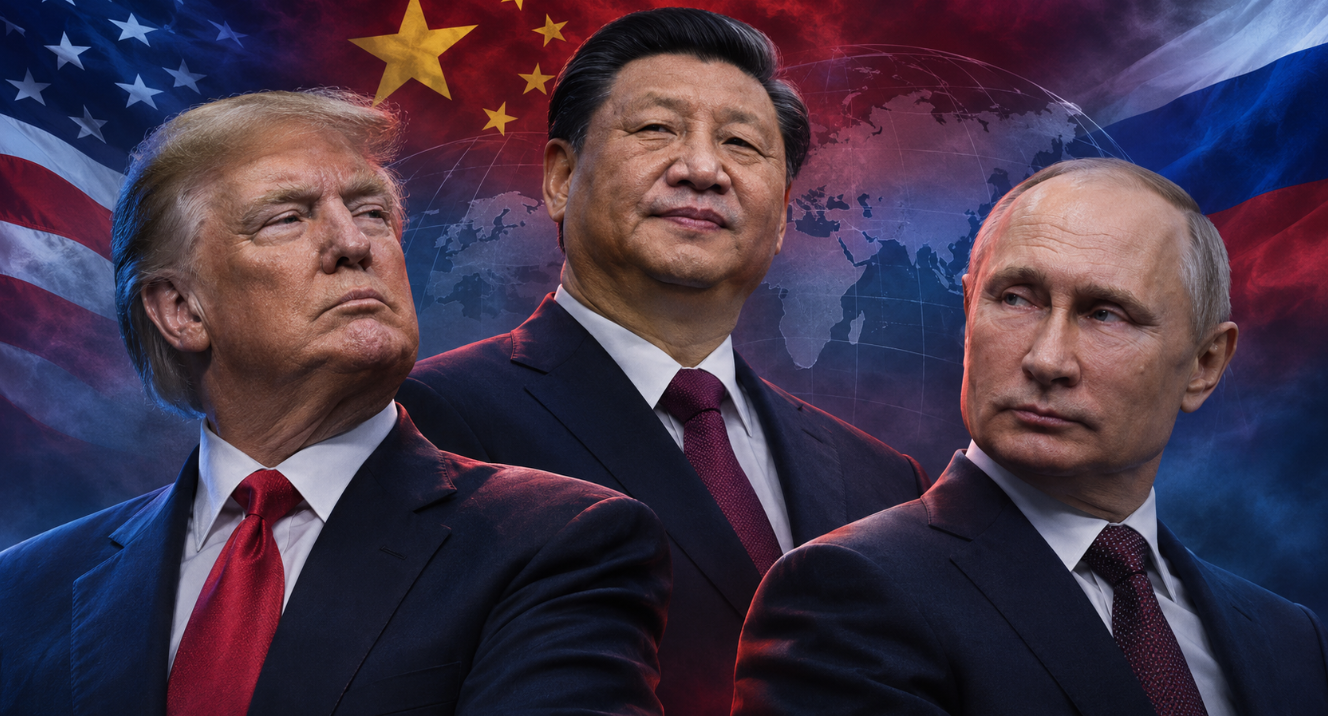
Trump, Putin, Xi meeting: A new world order or diplomatic spectacle?
The planned gathering of the leaders of the United States, Russia and China in Shenzhen comes at a critical moment for global security, nuclear arms control, the wars in Ukraine and Iran, and the shifting balance of international power. But beyond its historic symbolism, the meeting faces the difficult task of reconciling three competing national interests.
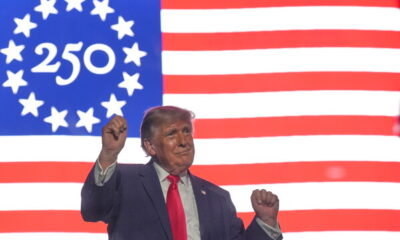
The international community is preparing for an extraordinary diplomatic encounter as United States President Donald Trump, Russian President Vladimir Putin and Chinese President Xi Jinping are scheduled to meet in China next week in what could become one of the most consequential gatherings of world leaders in recent years.
The White House confirmed on Friday that the three leaders would hold a trilateral meeting on the sidelines of the Asia-Pacific Economic Cooperation summit in Shenzhen, southern China, marking an unprecedented gathering of the leaders of the three countries with the world’s largest nuclear arsenals.
The announcement, made on November 13 and further reported on November 14, has attracted international attention because of its potential implications for global security, nuclear weapons control, the wars in Ukraine and Iran, and the increasingly complicated relationship between Washington, Moscow and Beijing.
White House Assistant Press Secretary Olivia Wales said Trump would conclude his visit to China with the trilateral engagement, following a bilateral meeting and working lunch with Xi.
The meeting is expected to take place on Thursday, November 19, during the APEC summit scheduled for November 18 and 19. A senior American official, however, has cautioned that Washington does not expect an immediate agreement to emerge from the discussions.
While the gathering carries considerable historical symbolism, its success will depend on whether the three leaders can move beyond diplomatic appearances and address the substantive disagreements separating their governments.
According to reports by Reuters and the Associated Press on November 14, discussions over the format and agenda had remained delicate, with the three countries approaching the proposed encounter from different strategic positions.
The meeting therefore presents a paradox: the world’s three most influential nuclear powers are preparing to sit together at a time when their interests increasingly overlap in some areas but sharply diverge in others.
Nuclear weapons at the centre of the negotiations
One of the principal issues expected to dominate the meeting is nuclear arms control, particularly following the expiration of the New Strategic Arms Reduction Treaty, popularly known as New START, between Washington and Moscow in February 2026.
The treaty, signed in 2010, provided limits on the strategic nuclear weapons deployed by the United States and Russia. It capped each country at 1,550 deployed strategic nuclear warheads and 700 deployed delivery systems, including intercontinental ballistic missiles, submarine-launched ballistic missiles and heavy bombers.
Its expiration removed the last major legally binding framework restricting the strategic nuclear arsenals of the two countries.
United Nations Secretary-General António Guterres described the development on February 5 as a grave moment for international peace and security, warning that the world had entered a period without binding limits on the strategic nuclear arsenals of its two largest nuclear powers.
The Stockholm International Peace Research Institute’s 2025 assessment estimated that Russia possessed 5,459 nuclear warheads in its total inventory, while the United States had approximately 5,177. China’s inventory was estimated at 600 warheads at the beginning of 2025.
More recent estimates published by the Federation of American Scientists put Russia’s total inventory at approximately 5,420, the United States at 5,042 and China at 620 in 2026.
These figures include different categories of warheads, including deployed, stored and retired weapons awaiting dismantlement. Collectively, the three countries account for the overwhelming majority of the world’s nuclear weapons.
Trump’s interest in bringing China into a new nuclear arms control arrangement is therefore understandable from Washington’s strategic perspective. An agreement covering only Russia and the United States would leave China’s expanding nuclear capabilities outside the framework.
However, Beijing has little incentive to accept restrictions designed around arsenals several times larger than its own.
China’s position has consistently been that its nuclear capabilities are primarily defensive and that countries possessing substantially larger nuclear stockpiles should take the lead in disarmament.
This creates a fundamental negotiating difficulty. Washington wants Beijing included in a new arrangement, while Beijing is reluctant to accept obligations that could restrict its strategic development without comparable reductions by the other two powers.
The challenge is not simply persuading three presidents to sit around a table. It is developing a framework that recognises the different sizes, doctrines and security concerns of their nuclear forces.
A senior American official has already indicated that Washington does not expect an agreement from next week’s meeting. Rather, the administration considers it an entry point for discussions at the highest political level.
Such a starting point could still matter. Renewed communication between the three nuclear powers could reduce the possibility of miscalculation, establish channels for future negotiations and create momentum towards a more comprehensive arms control arrangement.
Ukraine and the question of a new Yalta
The proposed meeting has generated considerable anxiety over the future of Ukraine. Russia’s invasion of Ukraine in February 2022 fundamentally changed European security and relations between Moscow and Western governments. The conflict has continued despite several diplomatic initiatives, with the United States seeking to facilitate negotiations between the two countries.
Putin has a strong interest in using the gathering to discuss the conflict and Russia’s desired terms for ending it. However, Washington has indicated that Ukraine is unlikely to feature in the trilateral discussions because it is pursuing a separate diplomatic process involving Kyiv and Moscow.
China has maintained relations with Russia throughout the conflict and has become an increasingly important economic partner to Moscow. Its purchases of Russian energy and supply of goods and technological components have helped sustain bilateral economic relations amid Western sanctions.
According to Associated Press reporting, Beijing has also been reluctant to place Ukraine at the centre of the proposed three-way meeting.
For Putin, however, the opportunity to meet Trump and Xi together carries diplomatic significance beyond the immediate question of a ceasefire.
The proposed meeting has consequently attracted comparisons with the Yalta Conference of February 1945, when the leaders of the United States, Britain and the Soviet Union met to discuss the post-Second World War settlement.
The historical comparison is particularly sensitive because Yalta became associated with decisions concerning the post-war political arrangement in Europe and the distribution of influence among major powers.
Ukrainian President Volodymyr Zelenskyy has expressed concern about the possibility of major powers discussing his country’s future without its participation.
There is also a difference between the 1945 gathering and the proposed Shenzhen meeting. China was not a participant in the Yalta Conference, while the forthcoming encounter would involve three nuclear-armed countries with competing interests in an international system that includes numerous independent states and multilateral institutions.
The meeting should therefore not automatically be interpreted as a new agreement to divide the world into spheres of influence.
Nevertheless, its implications for countries outside the negotiating room deserve attention. Ukraine, European governments and other states concerned about the security consequences of a possible settlement will be watching closely.
Iran, the other major flashpoint
Iran is another issue expected to feature in the discussions.
Trump has indicated that he wants to discuss the conflict involving Iran with Putin and Xi. The White House has also confirmed that the subject is expected to be raised during the trilateral engagement.
The United States has a direct interest in the outcome because of its military and security involvement. Russia has maintained strategic relations with Tehran, while China has cultivated significant economic and diplomatic ties with Iran.
For Beijing, the stability of the Middle East is particularly important because of its energy requirements and commercial interests.
China is one of the world’s largest oil importers, and instability around the Persian Gulf threatens energy supplies, international shipping and economic activities extending far beyond the region.
Russia also has reasons to preserve its relationship with Iran, particularly in the context of its wider confrontation with Western governments.
Consequently, any American attempt to secure Russian and Chinese cooperation on Iran would require addressing their separate interests and relationships with Tehran.
The three leaders may agree on the need to prevent further escalation without necessarily agreeing on how to achieve it.
China’s delicate position as host
While Trump and Putin have their respective diplomatic objectives, Xi faces perhaps the most delicate balancing exercise.
China is hosting the 33rd APEC Economic Leaders’ Meeting in Shenzhen from November 18 to 19 under the theme, Building an Asia-Pacific Community to Prosper Together.
According to China’s Ministry of Foreign Affairs, Xi will chair the gathering, deliver remarks, host participating leaders and hold bilateral meetings.
APEC has 21 member economies, including the United States, Russia, China, Japan, Australia, Canada and several Southeast Asian countries. The organisation accounts for more than 60 per cent of global gross domestic product and approximately 40 per cent of the world’s population.
The presence of Trump and Putin could, however, shift international attention away from APEC’s economic cooperation agenda towards the geopolitical implications of the trilateral encounter.
China wants to maintain its position as a major advocate of international trade, economic cooperation and multilateral diplomacy. At the same time, its relationship with Russia has deepened considerably since the outbreak of the Ukraine war.
Beijing and Moscow have expanded economic cooperation, particularly in energy, trade and technology. China has become a major destination for Russian energy exports, while Russian businesses increasingly depend on Chinese markets and supplies following Western sanctions.
However, China’s relationship with the United States remains economically significant.
The two countries are major trading partners, and their economic relationship affects global manufacturing, technology, financial markets and supply chains.
The recent trade tensions between Washington and Beijing, particularly over tariffs, rare earth minerals and advanced semiconductor technology, demonstrate how disagreements between the two economies can affect countries worldwide.
Trump’s bilateral discussions with Xi are therefore expected to cover the implementation of existing trade arrangements and outstanding economic disagreements.
Reuters reported on November 14 that American officials intended to raise concerns about the pace and level of Chinese rare earth supplies to the United States.
For Xi, the challenge is to welcome Trump and Putin without allowing the meeting to undermine China’s broader diplomatic objectives or its relationships with other international partners.
What does the meeting mean for the international community?
The proposed gathering raises an important question about the changing character of global leadership.
For decades, international security has been shaped by institutions and arrangements established after the Second World War, including the United Nations, the nuclear non-proliferation framework and various bilateral and multilateral agreements.
However, the increasing rivalry between major powers, the weakening of arms control arrangements and the persistence of regional conflicts have placed these institutions under considerable pressure.
A meeting involving Washington, Moscow and Beijing could create opportunities for cooperation on issues that require the participation of the world’s most powerful countries.
These include nuclear disarmament, artificial intelligence governance, international security, energy stability and the prevention of military escalation.
But there are also legitimate concerns about the implications of allowing three powerful governments to dominate discussions on matters affecting other sovereign nations.
The United Nations Charter recognises the sovereign equality of states. Consequently, any arrangement concerning the territorial integrity, political independence or security of another country must respect its rights and participation.
For African countries, the implications are equally important.
The continent has economic, security and diplomatic relationships with all three powers. China is a major trading partner and infrastructure financier for several African countries, Russia maintains security and military relationships across parts of the continent, while the United States remains an important partner in trade, investment, development and security cooperation.
Any major shift in relations among the three countries could affect African economies, particularly through commodity prices, energy markets, foreign investment, international financing and the availability of development assistance.
African governments must therefore avoid becoming passive observers of decisions made elsewhere. Their interests require coordinated engagement through the African Union, the United Nations and other multilateral platforms.
The same applies to other developing economies whose economic and security interests are often affected by decisions taken by major powers.









US withdraws diplomats’ families from Gulf amid Houthi attacks
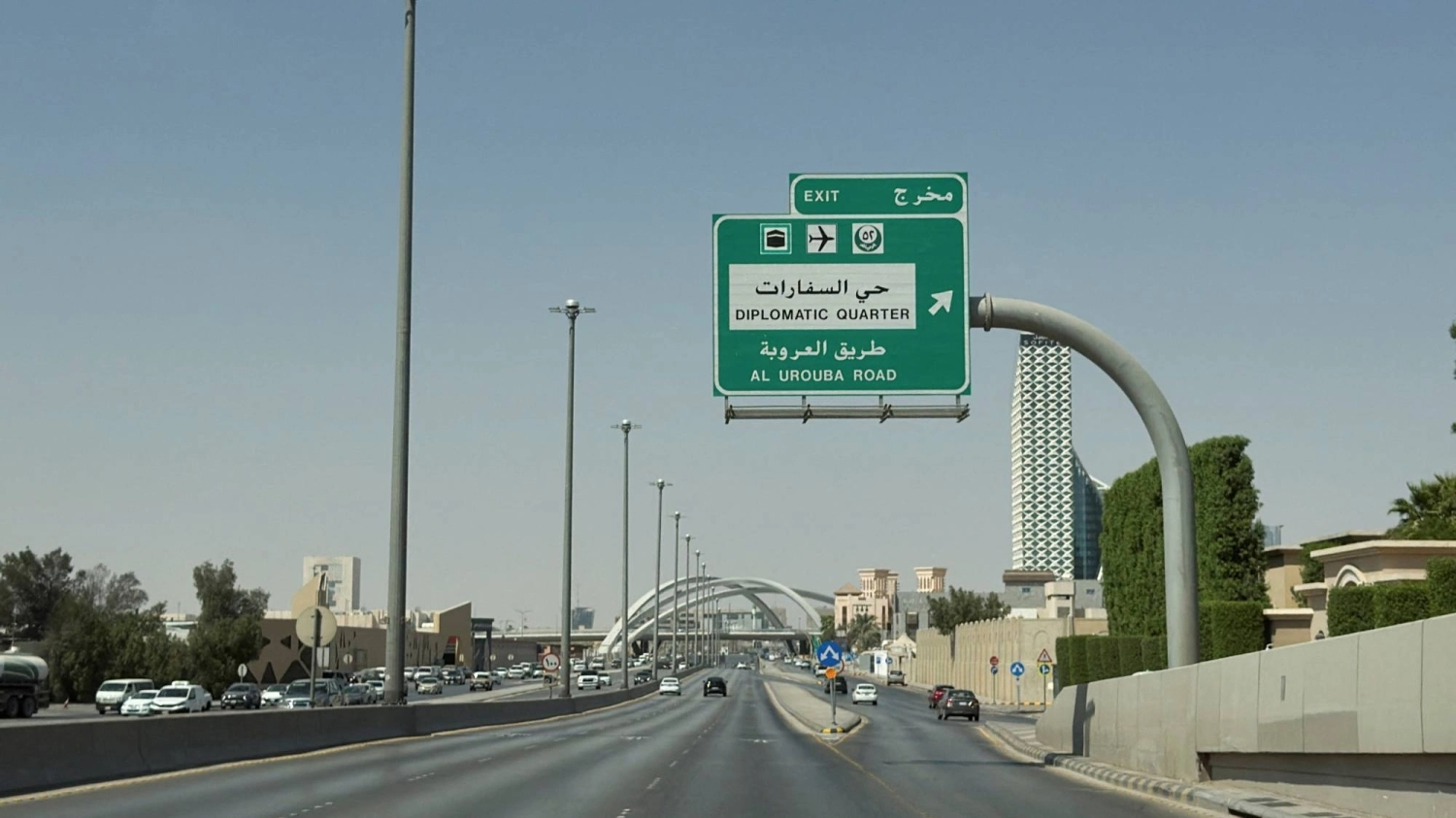
The United States has ordered non-emergency government employees and their families to leave its diplomatic missions in Saudi Arabia following deadly attacks on the kingdom’s airport and oil infrastructure.
The decision comes amid escalating regional tensions and concerns over further attacks by Iran-aligned Houthi forces, with Washington also planning to withdraw family members from its missions in other Gulf countries.
US State Department spokesman Tommy Pigott said the department had ordered the departure of non-emergency American government employees and their families in Saudi Arabia, citing attacks on civilian targets and critical infrastructure.
The attacks killed at least three people and injured eight others, according to Saudi authorities.
One person was killed and eight others injured in an attack on King Fahd International Airport in Dammam, while two people died in a drone attack targeting a facility at Saudi Aramco’s Shaybah oilfield.
Four US officials told Reuters that American missions in other Gulf states would also order family members to leave. Pigott, however, did not confirm changes to diplomatic missions outside Saudi Arabia.
The latest development follows an escalation of fighting in Yemen amid a wider regional conflict triggered by the US-Israeli war on Iran, which began in late February.
The conflict has disrupted global energy trade and heightened security concerns across the Gulf, a region central to international oil supplies and shipping.
Saudi Arabia’s energy ministry said its air defences intercepted a drone attempting to strike a facility at the Shaybah oilfield, resulting in two deaths.
The country’s civil aviation authority separately reported the deadly attack on King Fahd International Airport.
The US Embassy in Riyadh had earlier issued a security alert warning of possible further Houthi attacks following deadly strikes, including an attack on Riyadh’s airport.
The embassy and a Central Intelligence Agency station operating from the facility were also targeted by drones in early March, as Iran launched attacks across the region.
The withdrawal order signals Washington’s growing concern over the security of its personnel as attacks threaten civilian facilities, diplomatic installations and energy infrastructure across the Gulf.
CARICOM, Türkiye explore cooperation in trade, energy, food security
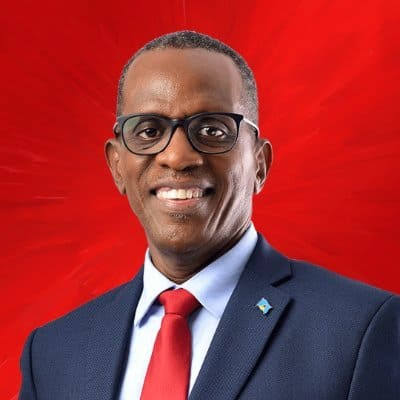
The Caribbean Community, CARICOM and the Republic of Türkiye have explored opportunities to strengthen cooperation in trade, investment, food security, renewable energy, disaster management and maritime connectivity.
The two sides also identified health, port development and climate resilience as priority areas for deeper engagement during the second meeting of the CARICOM-Republic of Türkiye Consultation and Cooperation Mechanism held on October 12, 2026.
According to a joint press release, the meeting reaffirmed both parties’ commitment to strengthening political dialogue and advancing practical cooperation in areas of mutual interest.
The meeting was co-chaired by the Permanent Secretary in Suriname’s Ministry of Foreign Affairs, International Business and Cooperation, Ambassador Miriam Mac Intosh, and Türkiye’s Director-General for Latin America and the Caribbean in its Ministry of Foreign Affairs, Ambassador Erkan Aytun.
Mac Intosh, who represents the current chair of the CARICOM Council for Foreign and Community Relations, said the partnership was founded on constructive dialogue, mutual respect and a shared commitment to development.
She commended Türkiye for its support for development projects and humanitarian assistance across the Caribbean, noting that the contributions had delivered tangible benefits to the region.
“We remain committed to identifying and advancing further initiatives that contribute to the Region’s resilience and sustainable development,” she said.
Convened under a memorandum of understanding signed in 2011, the meeting reviewed developments in relations between the two parties and examined opportunities to expand cooperation.
High-level officials from CARICOM member states presented practical proposals covering trade and investment, disaster management, food security, renewable energy, health, maritime connectivity and port development.
Representatives of Turkish institutions also outlined how their technical expertise, technology and institutional capacity could support the priorities of Caribbean countries.
The discussions further examined preparations for the 31st Conference of the Parties to the United Nations Framework Convention on Climate Change, known as COP31, scheduled to take place in Antalya, Türkiye, from November 9 to 20, 2026.
Türkiye, which will preside over the conference, presented its strategic priorities and preparations for the global climate summit.
Aytun said the country wanted COP31 to focus on implementing climate commitments, following consultations with participating countries and other stakeholders.
“We need to make COP31 an implementation COP,” he said.
He identified 10 priority themes for the climate action agenda, including clean energy transition and electrification, zero waste and methane reduction, climate-resilient cities, green industrialisation, youth and education, food security, oceans and seas, resilient health systems, synergies among the Rio conventions and a climate implementation bridge.
CARICOM and Türkiye have expanded their engagement over the years through development cooperation, humanitarian assistance and support for regional initiatives.
Recent areas of cooperation include contributions to Caribbean disaster recovery efforts, support for the Caribbean Development Fund and assistance in strengthening the CARICOM Secretariat’s information and communications infrastructure.
UK, Germany ratify defence treaty amid Russian threat
The United Kingdom and Germany have ratified a defence and security treaty aimed at strengthening cooperation against hybrid attacks, including cyber threats, sabotage and disinformation, amid growing concerns over Russia’s activities across Europe.
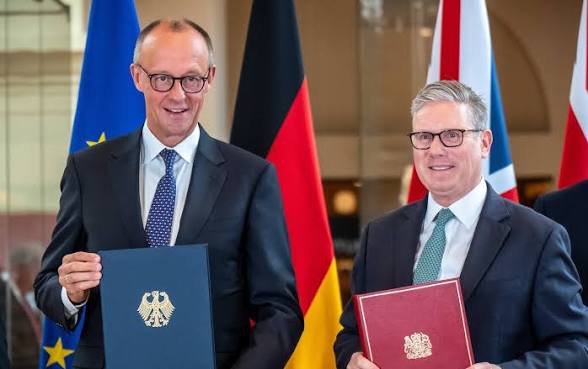
The British Prime Minister, Andy Burnham, and German Chancellor Friedrich Merz formalised the ratification of the 2025 Kensington Treaty during a meeting in Berlin, Germany, where both leaders pledged to deepen security cooperation and strengthen economic ties.
Speaking at the German Federal Chancellery, Burnham said the two countries faced hybrid attacks regularly and needed to work together to address the threats.
He said the agreement would improve security across Europe while creating opportunities to boost economic growth and living standards in both countries.
Burnham described the treaty as the first of its kind between the UK and Germany since the Second World War, adding that its implementation marked a significant development in bilateral relations.
The British leader also disclosed that his government would seek to advance discussions on Germany joining the Global Combat Air Programme, a multinational initiative involving the UK, Italy and Japan to develop a next-generation fighter aircraft.
He said the partnership would extend beyond conventional military cooperation to include efforts to counter hybrid attacks, protect democratic processes and strengthen collaboration in quantum technology and space.
Burnham also expressed his intention to host the first joint meeting of the British and German cabinets in 2027.
The Berlin meeting came amid heightened concerns among European governments over alleged Russian involvement in activities targeting critical infrastructure.
Germany accused Russia last month of launching a drone fitted with explosives at Leipzig/Halle Airport, a major international freight hub that also serves as a logistics centre for support to Ukraine.
The British government subsequently summoned a senior Russian diplomat over what it described as an egregious and reckless attack, while the European Union’s foreign affairs chief also summoned Russia’s envoy in Brussels.
Moscow has denied involvement in the incident.
Hybrid warfare refers to activities that fall between conventional armed conflict and peacetime relations. Such operations may involve cyberattacks, sabotage, espionage, disinformation campaigns and attempts to disrupt critical infrastructure.
Former British national security adviser, Sir Mark Lyall Grant, said Russia had intensified such activities in response to European support for Ukraine following Moscow’s invasion.
Grant warned that undersea cables in the North Sea were among the infrastructure attracting Russian interest, adding that the issue was likely to feature in discussions between the British and German leaders.
Meanwhile, Burnham expressed support for closer relations between Britain and the European Union ahead of a planned UK-EU summit next month.
He said he was committed to securing deeper cooperation with European partners, arguing that closer ties would benefit economic growth and efforts to tackle irregular migration.
French Finance Minister Roland Lescure had also urged Britain to consider returning fully to the European Union in an interview with the BBC.
Merz said Germany would support efforts to bring Britain closer to Europe and the EU.
The renewed discussions come amid reports of political pressure on both leaders at home.
Burnham became British prime minister in July after Sir Keir Starmer was forced out by members of his party, two years after leading Labour to a landslide election victory.
Merz, meanwhile, has faced criticism over his government’s standing and setbacks in regional elections, prompting speculation about his political future.
Despite the domestic challenges, both leaders used the Berlin meeting to reaffirm their commitment to security cooperation and closer European relations.


EDITORIAL: Poverty Is No Licence for Terrorism

CARICOM Election Observation Mission to Grenada General Elections

What Succour Has CNG Brought? By Alabidun Shuaib AbdulRahman

Pastor Jerry Eze Defends Miracles At UK Conference Amidst Criticism And Controversy

Diaspora Watch 20th Edition (October 14-20, 2024): Your Trusted Source for Global News and Insights

Tanzanian Man Reportedly Dies And Returns To Life Six Times


-
News4 days ago
Waliya Bet Reviews – Ethiopian Players’ Guide to Registration, Verification & Bonuses
-
News4 days ago
www waliya bet et security guide
-
News4 days ago
hulusport online betting app and mobile guide for Ethiopian players
-
News4 days ago
www waliya bet com – Full Ethiopian Guide: Registration, Bonuses, Payments, Withdrawals & Mobile
-
News4 days ago
www waliya bet com bonus guide for Ethiopian players
-
 Opinion7 hours ago
All Hail Our Flamingos! By Boniface Ihiasota