
Diaspora
Lady Gladys Afam:A Shining Star in the Diaspora Community


On behalf of Diaspora Watch and Excel Magazine International, we proudly celebrate Lady Gladys Afam, a distinguished executive of Excel DMV and Excel Global Media Group USA, on her special day!
May this birthday mark the beginning of an extraordinary year filled with unbridled joy, untamed adventures, and unforgettable memories. May your life be a testament to the power of laughter, love, and wonder.
As a remarkable teacher, master of ceremony, and inspiration to many, we salute your tireless dedication, passion, and impact. Your selflessness and commitment to empowering others have made a lasting difference in the lives of those around you.





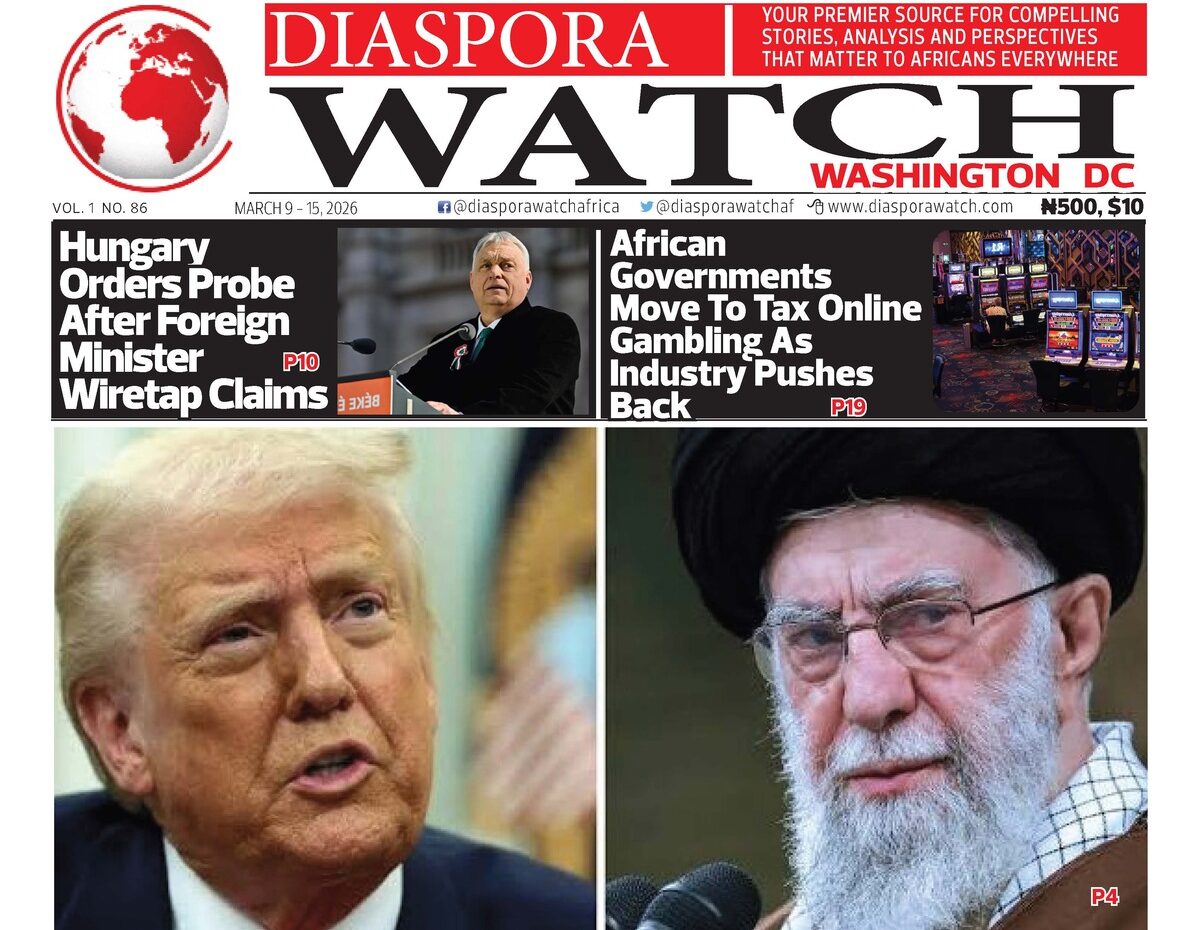
Diaspora Watch Newspaper Rolls Out 86th Edition
Diaspora Watch Newspaper announces the publication of its 86th edition, a robust compilation of major global developments, policy debates, and defining moments across politics, economy, and culture.
Diaspora Watch FREE Digital View: https://diasporawatch.com/3d-flip-book/diaspora-watch-vol-86/
On Demand Print: https://www.magcloud.com/browse/issue/3294104?__r=1069759
SUBSCRIBE TO DIASPORA WATCH NOW ON THE LINK BELOW !!!
https://diasporawatch.com/subscribe-to-diaspora-watch-newspaper/
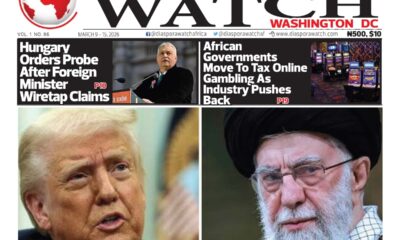
Leading the edition is a striking governance story from Madagascar, where the President has proposed the use of lie detector tests for cabinet members—an unprecedented move that has ignited conversations around transparency and executive accountability.
Also headlining the front page is the uncertainty surrounding U.S. President Donald Trump’s claims of engagement with Iran, a development that has triggered mixed reactions and heightened global attention amid already fragile diplomatic dynamics.
In Europe, Hungary has launched an official investigation following claims that its Foreign Minister was subjected to illegal wiretapping, raising serious questions about privacy, state surveillance, and political intrigue. In a related development, Trump has stirred further controversy after sharing a satirical skit mocking British Prime Minister Keir Starmer, even as sensitive discussions around the Iran situation continue.
On the international stage, China has cautioned the United States and Israel against escalating crises, invoking lessons from the Iraq War as a warning against the far-reaching consequences of military conflict.
From Africa, the World Health Organization has confirmed the deaths of 64 individuals in a hospital attack in Sudan, highlighting the deepening humanitarian emergency in the region. Additionally, African governments are intensifying efforts to regulate the digital economy, with new moves to tax online gambling platforms facing resistance from industry operators.
In the Caribbean, the private sector has lauded Afreximbank’s $5 billion investment pledge, describing it as a transformative initiative expected to strengthen economic cooperation and unlock new opportunities for growth within the region.
Completing the edition, the back page celebrates global pop culture, as bold, feather-inspired fashion takes center stage at the Oscars red carpet, reflecting creativity and evolving style narratives in the entertainment industry.
This edition reinforces Diaspora Watch Newspaper’s dedication to delivering authoritative journalism, in-depth analysis, and stories that matter to a global audience.
Stay Informed and ahead of the curve with the 50th edition of Diaspora Watch, where we explore the complex dynamics shaping our world and provide insights into the stories that matter.
Stay connected with the world around you – read Diaspora Watch today!
Celebrating African excellence and spotlighting pressing global issues.
#DiasporaWatch #AfricaInFocus #GlobalNews #CulturalVoices #AfricanPerspective

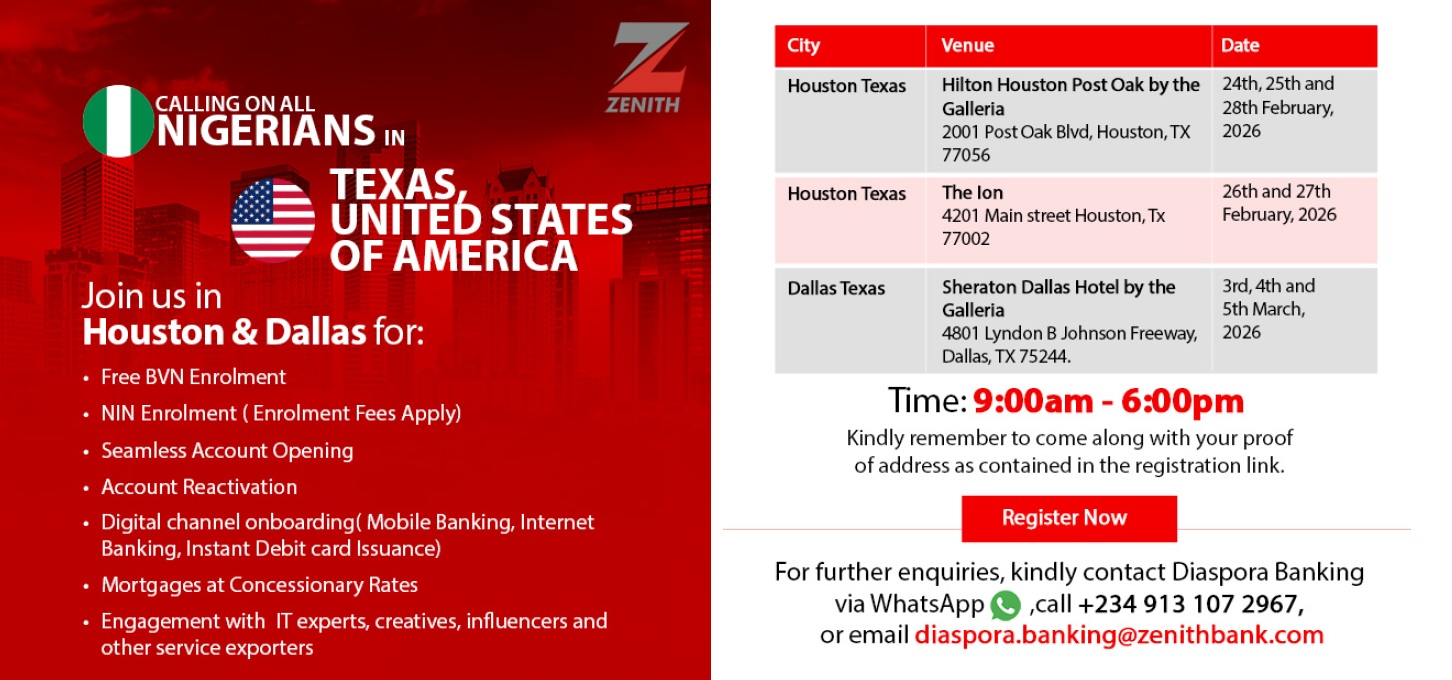
Zenith Bank Plc has announced a Diaspora engagement programme aimed at providing essential banking and identity services to Nigerians residing in the United States, with activities scheduled to hold in Houston and Dallas, Texas.
The initiative, according to information obtained by Diaspora Watch Newspaper, targeted at Nigerians in the diaspora, is designed to ease access to banking services and strengthen financial inclusion among citizens living abroad.
The programme will feature free Bank Verification Number (BVN) enrolment, National Identification Number (NIN) enrolment, seamless account opening, account reactivation, and digital banking onboarding.
Diaspora Watch Newspaper further gathered that participants will also benefit from mobile and internet banking activation, instant debit card issuance, and access to mortgage products offered at concessionary rates.
The engagement will further provide a platform for interaction with IT experts, creatives, influencers, and other service exporters, in line with efforts to deepen diaspora participation in Nigeria’s economy.
The Houston leg of the exercise will take place at the Hilton Houston Post Oak by the Galleria on February 24, 25 and 28, 2026, while another session will hold at The Ion, 4201 Main Street, Houston, on February 26 and 27, 2026.
The Dallas session is scheduled for March 3, 4 and 5, 2026, at the Sheraton Dallas Hotel by the Galleria.
Activities are expected to run daily from 9:00am to 6:00pm. Prospective participants have been advised to come along with valid proof of address as stipulated in the registration requirements.
Zenith Bank noted that the programme forms part of its ongoing diaspora banking strategy, aimed at supporting Nigerians abroad with convenient access to financial services and fostering stronger economic ties between the diaspora community and Nigeria.
For further enquiries, interested individuals are encouraged to contact Zenith Bank’s Diaspora Banking desk via WhatsApp or telephone, or through the official diaspora banking email.
Register for the event: JOIN ZENITH BANK IN THE UNITED STATES OF AMERICA TEXAS
Website: https://www.zenithbank.com
WhatsApp/call: +234 913 107 2967
Zenith Bank to Host Diaspora Engagement, Banking Services for Nigerians in Texas


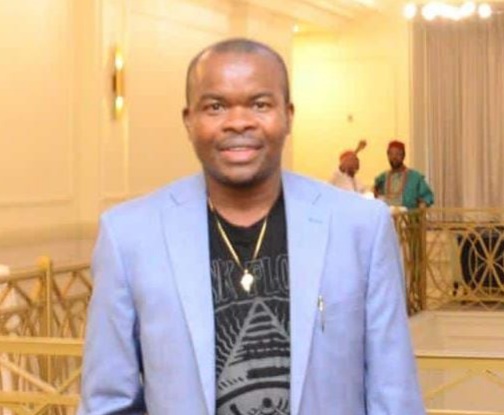
Nigeria – US Defence Cooperation: A Reflection from the Diaspora, by Boniface Ihiasota
The defence relationship between Nigeria and the United States represents one of the most complex and consequential aspects of Nigeria’s foreign policy in the 21st century. Rooted in decades of military engagement, training, strategic dialogue, intelligence sharing, and equipment acquisition, this partnership reflects shared interests in regional stability, combating violent extremism, and strengthening military institutions. For many in the Nigerian diaspora, this cooperation carries both hopes for enhanced security at home and concerns about sovereignty, national strategy, and the implications of external influence.
At its core, Nigeria-US defence cooperation has evolved from traditional military diplomacy to a more multi-faceted, operational collaboration. Since the early 2000s, the United States has provided sustained security sector assistance to Nigeria. According to U.S. government data, more than $232 million in security support was delivered between 2000 and 2021, with notifications of $593 million in Foreign Military Sales and approximately $305 million in direct commercial defence sales to support counter-terrorism, border security, and professionalization of the Nigerian Armed Forces. In 2022 the U.S. announced nearly $997 million in a major foreign military sale that included attack helicopters and associated training as part of long-term capability enhancement.
In practical terms, the partnership nurtures capacity building, professional military education, and logistics cooperation. Both nations have exchanged senior military leaders and engaged in joint strategic dialogues to align responses to shared threats. Nigerian defence officials and U.S. counterparts have regularly convened to strengthen frameworks for cooperation, reaffirming commitments to respect Nigeria’s sovereignty while leveraging U.S. technical expertise.
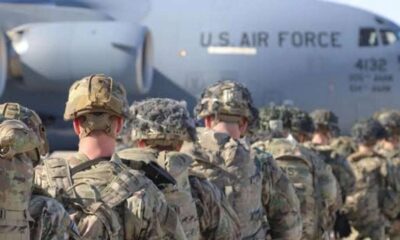
As insecurity in Nigeria has worsened, especially with the prolonged insurgency of Boko Haram and the Islamic State West Africa Province (ISWAP) as well as rising banditry and extremist violence, the practical aspects of the partnership have taken on heightened urgency. Recent developments illustrate this vividly. In early 2026, Nigeria formally invited additional U.S. military support for training, intelligence sharing, and technical assistance. Nigeria’s Defence Headquarters on Monday confirmed the arrival of about 100 U.S. military personnel and equipment at Bauchi, with planned joint training exercises aimed at enhancing Nigerian troops’ capacity to detect and neutralize extremist groups. Local authorities clarified that the U.S. personnel serve in advisory and training roles, under Nigerian command, in line with bilateral agreements and respect for Nigerian sovereignty.
In neighboring Abuja and among diaspora communities, these movements sparked broad discussions about what external military involvement means for Nigeria’s autonomy and long-term security strategy. Advocacy groups like Citizens for Strategic Defence Cooperation have publicly endorsed the expanded partnership while stressing that it does not erode Nigeria’s sovereignty. They describe the engagement as “measured and strategic,” focused on capacity building, intelligence systems, and joint problem-solving rather than occupation or direct combat.
Beyond boots on the ground, the United States has engaged Nigeria in targeted counter-terrorism operations. In late 2025, the U.S. carried out airstrikes against Islamic State-linked camps in northwest Nigeria with Nigerian approval, employing precision guided munitions through U.S. Africa Command (AFRICOM) platforms. These strikes were designed to disrupt militant networks operating from Sahel corridors and were followed by coordinated intelligence sharing.
Still, the defence cooperation is not without controversy. In the diaspora, commentary reflects a spectrum of views: from optimism about the gains in confronting violent extremism to unease about foreign intervention and the framing of Nigeria’s internal conflicts in international discourse. Former U.S. statements by political leaders, including those linking Nigeria’s actions to religious persecution or threatening aid cuts, have sometimes strained diplomatic goodwill, prompting the Nigerian government to clarify its position and reject broad characterizations of the security situation.
Nonetheless, there are tangible operational outcomes that diaspora stakeholders often highlight as evidence of positive cooperation. Enhanced intelligence sharing has contributed to improved situational awareness for Nigerian forces during operations like Operation Hadin Kai in the North East and Operation Fasan Yamma in the northwest. The timely delivery of military hardware — including drones, helicopters, spare parts, and support systems — pledged by the U.S. demonstrates a sustained material investment in Nigeria’s defence architecture.
For many Nigerians abroad, this partnership epitomizes the balancing act between external support and internal agency. On one hand, there is recognition that no nation is an island in confronting transnational threats. On the other, there is a persistent call for transparency, accountability, and strategies that prioritize civilian protection and national ownership of security frameworks.
In conclusion, Nigeria–U.S. defence cooperation is a nuanced, evolving relationship rooted in shared interests and longstanding military engagement. While it brings considerable resources, training, and strategic depth to Nigeria’s fight against violent extremism, it also requires careful navigation of national interests, sovereignty considerations, and public perceptions — both at home and within the vibrant Nigerian diaspora. Ensuring that this cooperation yields tangible security improvements without undermining national autonomy remains a shared challenge for both nations.
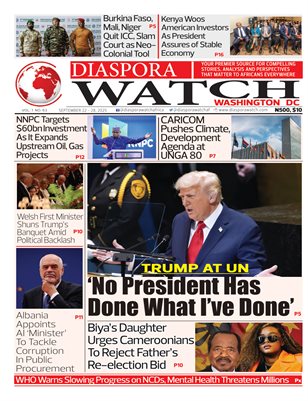


Diaspora Watch Vol. 86

The War Beneath the War, by Alabidun Shuaib AbdulRahman

Tinubu in Windsor, Nigeria in Flames, by Boniface Ihiasota

Pastor Jerry Eze Defends Miracles At UK Conference Amidst Criticism And Controversy

Diaspora Watch 20th Edition (October 14-20, 2024): Your Trusted Source for Global News and Insights

Tanzanian Man Reportedly Dies And Returns To Life Six Times


-
 Diaspora4 days ago
Diaspora Watch Vol. 86
-
 News7 days ago
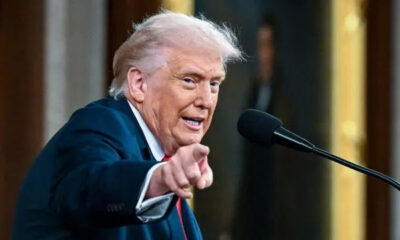
Confusion Trails Trump’s Claim Of Talks With Iran
-
 Analysis7 days ago
The War Beneath the War, by Alabidun Shuaib AbdulRahman
-
 News7 days ago
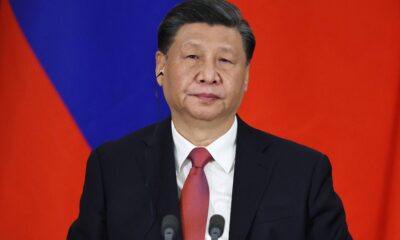
China Cautions US, Israel Against Escalation, Cites Iraq War Lessons
-

 News7 days ago
No Threat to Britain from Iran, Says Starmer
-
 Analysis7 days ago
Tinubu in Windsor, Nigeria in Flames, by Boniface Ihiasota