
Tech
Nigeria to Launch Four Satellites to Boost Security

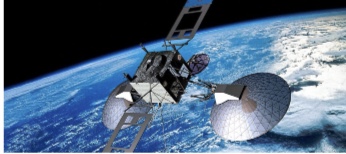
The Nigerian Government has approved the launch of four satellites to aid observation and fight against insecurity in the country.
This was announced by the Minister of Innovation, Science, and Technology, Chief Uche Nnaji, at the 22nd National Council on Innovation, Science, and Technology (NCIST) in Abuja.
Diaspora Watch reports that the satellites include three Earth observation satellites and one Radar Aperture Satellite.
According to the Minister, these satellites will enable the military to effectively monitor and respond to security threats without relying on foreign image and data purchases, noting with these satellites, Nigeria will have greater control over its security surveillance.
The minister emphasized the need to bridge the gap between research and real-world impact.
He noted that valuable research conducted in Nigerian universities and institutions has often remained underutilized due to lack of support, financing, and mentorship for young innovators.
The minister called for a new approach, where every “research has a roadmap to industry, and innovation is commercialized for national prosperity”.
The launch of these satellites will not only enhance security but also promote research and development in the country.
It will create opportunities for youths to develop their skills and contribute to the country’s technological advancement.
The 22nd NCIST, which was themed “Research, Development, Innovation, and Commercialization: A Cycle for National Prosperity,” served as a platform for stakeholders to discuss the role of innovation and technology in driving national development.
The launch of the satellites is a significant step towards achieving this goal.











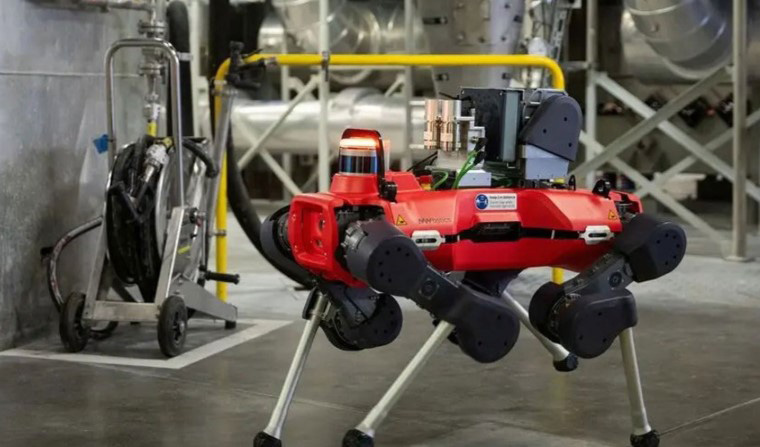
Artificial intelligence is steadily moving beyond software applications into the physical side of business operations, as companies in food production and logistics increasingly deploy data-driven systems to support real-time decision-making. The shift is evident in the latest strategy unveiled by The Hershey
Company during its Investor Day, where the firm outlined plans to embed AI across its operations, from sourcing analytics to plant automation and product fulfilment.
According to the company, the initiative will focus on improving how the business runs behind
the scenes, with AI guiding decisions on procurement and distribution to build “a faster, smarter
and more resilient supply chain powered by automation and AI-enabled decision making.”
Hershey noted that supply chains in the food and snack sector remain under constant pressure due to fluctuating costs, seasonal demand, and retailer expectations for timely and accurate deliveries.
To address these challenges, the company said its digital planning tools would integrate various aspects of the business, helping to reduce waste, optimize inventory levels, and improve service delivery through better data connectivity across the supply chain. Central to the strategy is what Hershey described as “AI-enabled decision-making,” which seeks to link sourcing and delivery systems more closely while deploying automated fulfilment technologies to improve speed to market and handle customized product assortments.
The company also disclosed plans to expand automation within its manufacturing plants, using AI to enhance efficiency and embed intelligence directly into production systems rather than treating it as a separate analytical tool. Industry analysts say the approach reflects a broader trend in which firms are moving from limited AI pilot projects to full-scale integration across core business functions, particularly in sectors reliant on physical goods.
Food manufacturers, including Hershey, continue to grapple with volatile input costs for commodities such as cocoa and sugar, which are influenced by weather conditions, trade dynamics, and supply disruptions, making responsive and data-driven systems increasingly critical. Chief Executive Officer Kirk Tanner said the company’s direction is anchored on growth and execution, noting that the strategy positions Hershey to respond faster to market changes while strengthening operational performance.

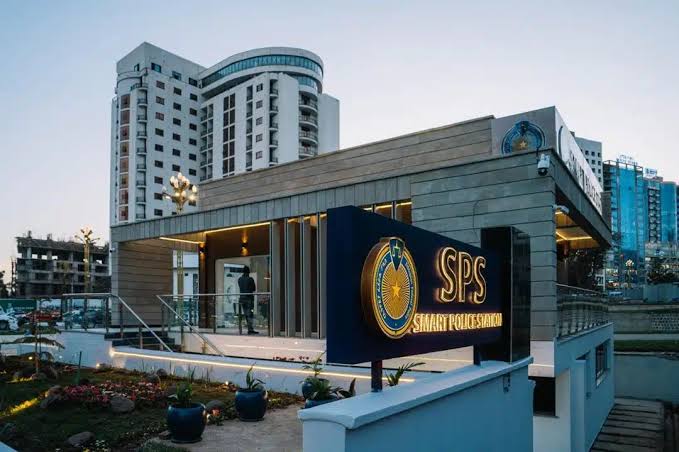
Ethiopia Launches First ‘Smart’ Police Station in Addis Ababa
Ethiopia has opened its first “smart” or unmanned police station in Bole, a pilot project aimed at modernising law enforcement and expanding access to citizens.
Inside the new station, visitors report crimes, traffic incidents, or general concerns via computer tablets.
A remote officer responds in real time, reducing the need for face-to-face interaction.
Commander Demissie Yilma, head of the police technology expansion department, said the system is still in its early stages, with just three reports logged in its first week. “The future police service should be near the citizens,” he noted.
The station forms part of the government’s broader Digital Ethiopia 2030 strategy, which seeks to digitise public services including identity systems, payments, and court processes.
Experts say while digital reforms could boost efficiency and convenience, challenges remain.
Internet access is still low, and older, rural, and low-income populations risk being excluded.
For now, the Bole station is a controlled pilot, with traditional police stations continuing to serve most of the population. Expansion will depend on citizen adoption and digital literacy levels.
Tesla Loses Top Spot as BYD Overtakes in Global EV Sales
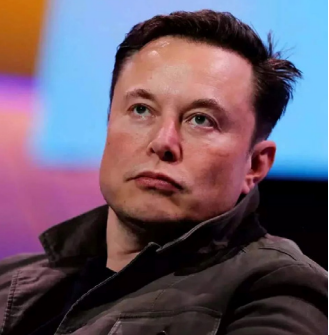
Tesla has reported lower-than-expected vehicle sales in the fourth quarter of 2025, losing its position as the world’s largest electric vehicle (EV) maker by annual sales to Chinese auto giant, BYD.
The American EV manufacturer, led by billionaire entrepreneur Elon Musk, said it delivered 418,227 vehicles in the final three months of 2025, bringing its total deliveries for the year to about 1.64 million units.
In contrast, a day earlier, Shenzhen-based BYD announced that it sold 2.26 million electric vehicles in 2025, overtaking Tesla to emerge as the global market leader in EV sales.
Analysts had projected a stronger performance from Tesla in the fourth quarter, with a FactSet consensus estimating deliveries of about 449,000 vehicles.
The shortfall has heightened concerns over slowing demand for electric vehicles, particularly in the United States.
Industry analysts noted that the removal of the $7,500 federal EV tax credit at the end of September 2025 has continued to weigh on consumer demand in the US market, with the sector yet to find a new equilibrium.
However, observers point out that Tesla’s sales challenges predated the policy change, as the company had already been struggling in some key markets.
This, analysts said, was partly linked to the political activities of its chief executive, Elon Musk, including his public support for US President Donald Trump and other far-right politicians, which reportedly affected consumer sentiment.
Tesla is also facing intensifying competition from Chinese manufacturers, particularly BYD, as well as from established European automakers ramping up their EV offerings.
BYD, which produces both fully electric and hybrid vehicles, on Thursday disclosed that it recorded its highest-ever EV sales in 2025, underlining the growing dominance of Chinese firms in the global electric vehicle market.
The development signals a major shift in the rapidly evolving EV industry, with analysts predicting stiffer competition and further pressure on global automakers in the coming year.



Pastor Jerry Eze Defends Miracles At UK Conference Amidst Criticism And Controversy

Diaspora Watch 20th Edition (October 14-20, 2024): Your Trusted Source for Global News and Insights

Tanzanian Man Reportedly Dies And Returns To Life Six Times


-

 Trending4 days ago
Diaspora Watch – Vol. 87
-

 News4 days ago
Artemis II Crew Captures Stunning Images of Earth Midway to Moon
-

 News4 days ago
US, Iran Search for Missing Airman After Warplane Downed
-

 Analysis4 days ago
Understanding South Africa’s Xenophobic Violence, by Alabidun Shuaib AbdulRahman
-

 News4 days ago
Melania Trump Rallies 45 Nations on AI-powered Education
-
 Business4 days ago
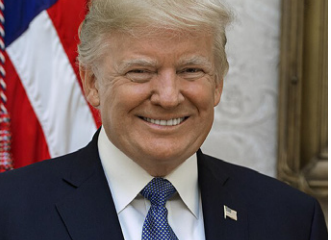
Trump Seeks $152m to Reopen Alcatraz Prison, Faces Opposition