
News
Power Play: Trump Insists on Picking Iran’s Next Leader

Power Play: Trump Insists on Picking Iran’s Next Leader
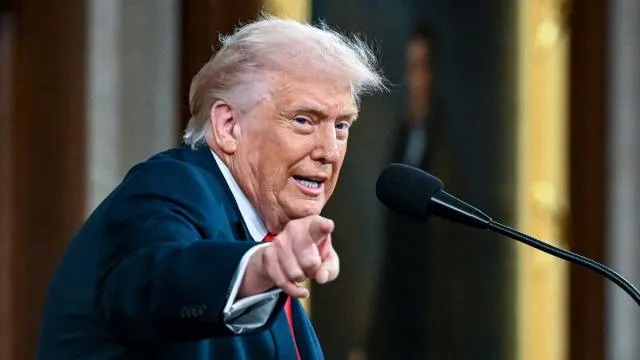
United States President Donald Trump has ignited global controversy after insisting that Washington must play a role in determining Iran’s next leader, openly rejecting the possible succession of Mojtaba Khamenei following the death of his father.
Trump made the remarks in interviews with Reuters and Axios, declaring that the United States “has to be involved” in the process of choosing Iran’s future leader to prevent renewed conflict with Tehran in the coming years.
“Khamenei’s son is unacceptable to me. We want someone that will bring harmony and peace to Iran,” Trump was quoted as saying, while describing Mojtaba as a “lightweight.”
The comments have stirred diplomatic concerns globally, as Trump’s stance suggests an unprecedented willingness by the United States to influence the leadership transition in the Islamic Republic.
Although as at press time, Iran has yet to officially announce a successor following the death of Supreme Leader Ali Khamenei, whose passing has triggered intense political manoeuvring within the country’s clerical establishment.
Mojtaba Khamenei, a powerful cleric with strong ties to Iran’s Revolutionary Guards, is widely viewed as a leading contender for the position, though several other political and religious figures are also believed to be in the race.
Under Iran’s constitution, the country’s Assembly of Experts is responsible for selecting the next supreme leader.
However, Trump’s comments suggest Washington may seek to influence the outcome of the process amid escalating standoffs between the two countries.
Trump also drew comparisons with political developments in Venezuela, where he claimed U.S. involvement helped reshape leadership after the capture of former president Nicolás Maduro.
The U.S. president argued that ensuring a favourable leadership outcome in Iran was necessary to avoid recurring conflicts.
“We want to be involved in the process of choosing the person who is going to lead Iran into the future so we don’t have to go back every five years and do this again,” Trump said.


No Threat to Britain from Iran, Says Starmer
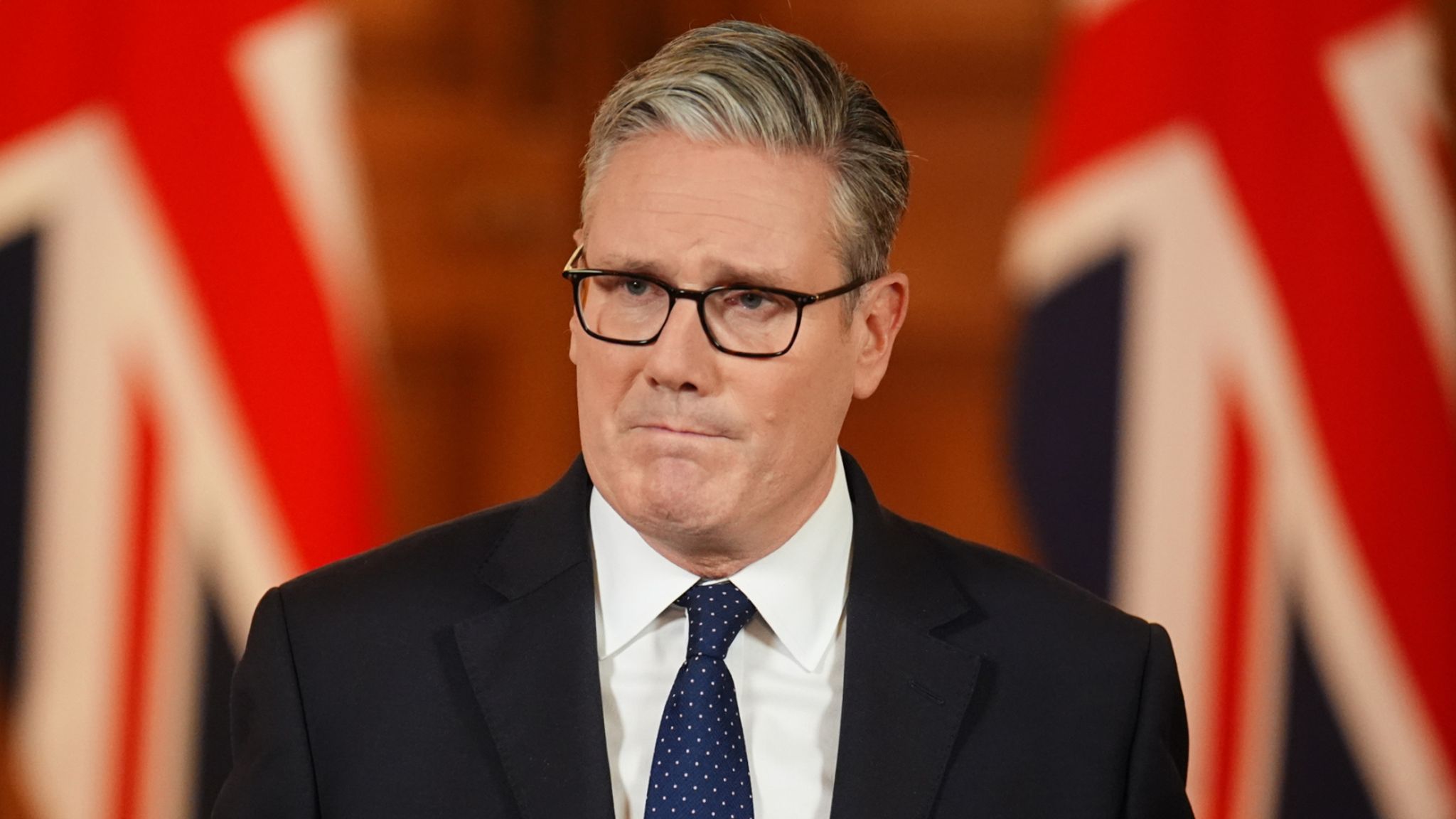
British Prime Minister Keir Starmer on Monday dismissed fears that mainland Britain could be targeted by Iran, insisting that national security assessments show no immediate threat.
Speaking to reporters in London, Starmer said, “We carry out assessments all the time in order to keep us safe, and there’s no assessment that we’re being targeted in that way.”
The Prime Minister’s statement comes amid reports over the weekend that Iran fired two ballistic missiles at the joint U.S.-U.K. military base on Diego Garcia, an island in the Indian Ocean.
When asked if Britain could face repercussions from Iran following the strike, Starmer maintained a cautious tone, emphasising that protecting British interests was his top priority.
He also commented on the strategic Strait of Hormuz, a vital route for global oil supplies, saying any attempt to reopen it must be approached with “careful consideration” and a “viable plan.”
The Prime Minister concluded by underlining his commitment to de-escalation, signalling a steady but cautious British approach in the region.
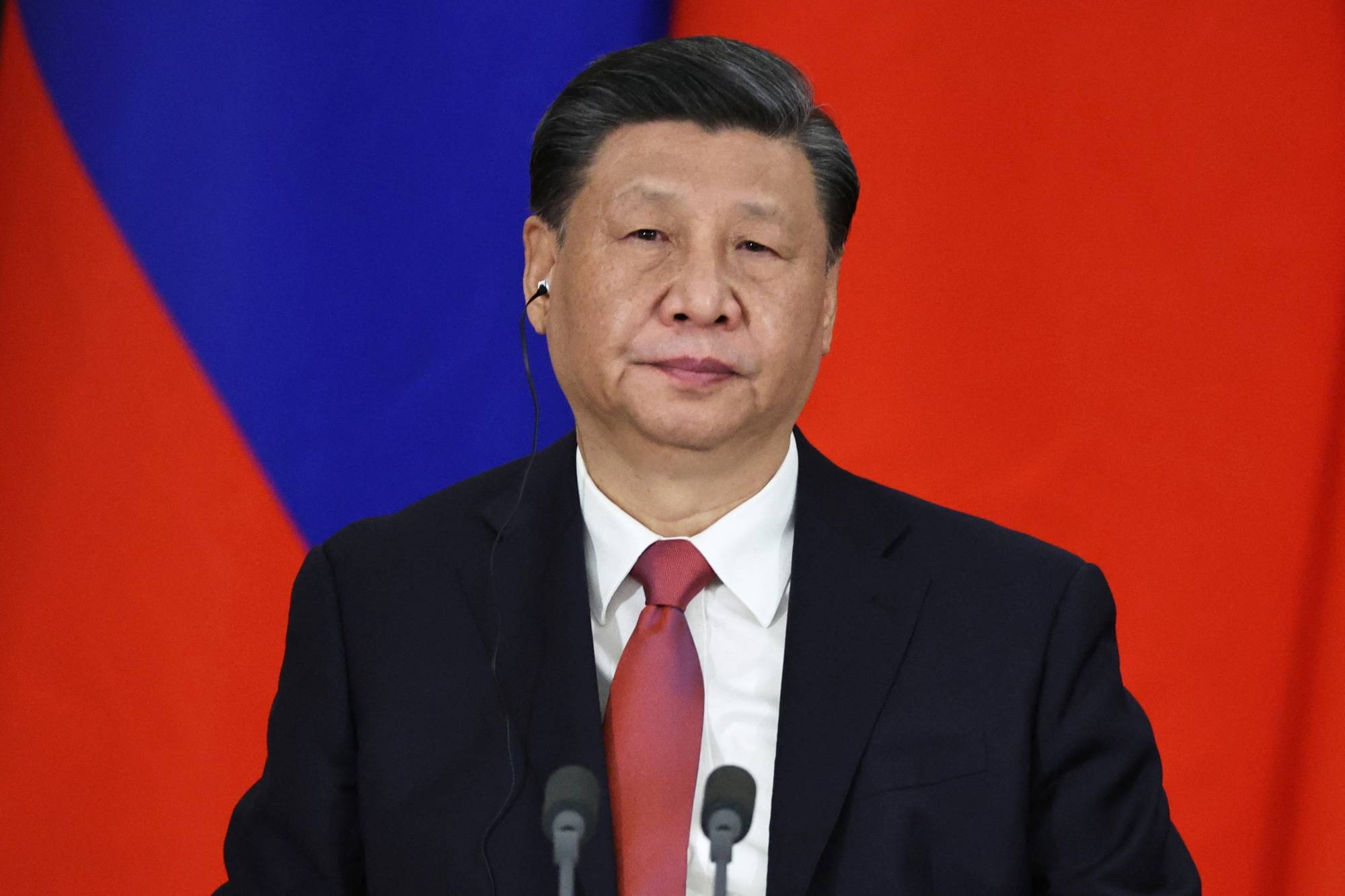
China Cautions US, Israel Against Escalation, Cites Iraq War Lessons
China on Monday called on all parties involved in the escalating Middle East conflict, particularly the United States and Israel, to halt military operations, warning that continued hostilities could trigger a “vicious cycle” with far-reaching global economic consequences.
Speaking after a shuttle diplomacy tour of Saudi Arabia, the United Arab Emirates and Kuwait, China’s Special Envoy to the Middle East, Zhai Jun, urged restraint, stressing that those responsible for the crisis must take the lead in resolving it.
“The one who tied the bell must be the one to untie it,” Zhai said during a media briefing, underscoring Beijing’s position that dialogue, not force, remains the only viable path to de-escalation.
In a separate briefing, Chinese Foreign Ministry spokesperson, Lin Jian, cautioned that the continued use of force would only deepen tensions, warning that an expansion of the conflict could plunge the entire region into chaos.
Referencing historical precedents, China highlighted the long-term consequences of war, pointing to the Iraq War, which marked its 23rd anniversary last week, as a stark reminder of the devastation prolonged conflicts can inflict on the Middle East.
The ministry noted that the 2003 invasion of Iraq led to years of instability, significant loss of life and the eventual rise of extremist groups, warning that a similar trajectory could emerge if the current hostilities involving Iran persist.
Meanwhile, Beijing expressed concerns over the economic fallout of the crisis, particularly on global energy supply and its export-driven economy, as disruptions in the Strait of Hormuz—through which a significant share of global oil passes—threaten emerging markets and could dampen demand for Chinese goods in the coming months.
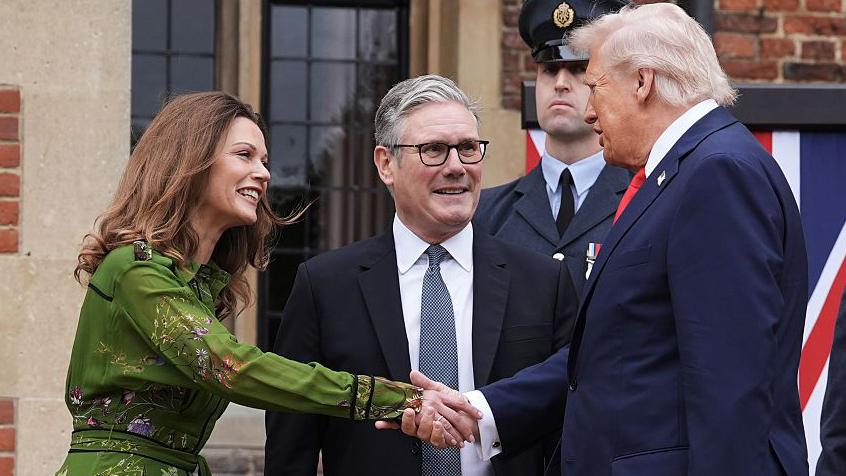
Trump Shares Skit Mocking Starmer Amid Iran War Talks
United States President Donald Trump has shared a video of a comedy skit portraying United Kingdom Prime Minister Keir Starmer as anxious about taking his call, hours after both leaders discussed the ongoing US-Israel war with Iran.
The clip, posted on Truth Social, was taken from a British adaptation of Saturday Night Live and featured actor George Fouracres depicting a visibly nervous Starmer inside Downing Street ahead of a fictional phone conversation with Trump.
In the skit, Starmer is seen expressing fears about speaking with Trump, jokingly referring to him as a “scary, scary, wonderful president,” while consulting a parody version of Foreign Secretary David Lammy over the United Kingdom’s position on the Strait of Hormuz crisis.
Trump did not include any caption with the video, which surfaced amid rising tensions between Washington and its NATO allies over their reluctance to support US-led efforts to counter Iran’s blockade of the Strait of Hormuz.
The US President has recently criticised NATO members, including the UK, describing them as unwilling to assist in what he termed a straightforward military effort to reopen the vital oil shipping route, through which about 20 per cent of global supply passes.
Meanwhile, both leaders held talks on Sunday evening, with Downing Street confirming that Trump and Starmer agreed on the urgency of reopening the Strait to stabilise global energy markets and ensure uninterrupted shipping.
However, Starmer on Monday stressed the need for caution, noting there was no indication Britain was under direct threat from Iran, while reiterating that any military response must prioritise de-escalation and protection of British interests.


The War Beneath the War, by Alabidun Shuaib AbdulRahman

Tinubu in Windsor, Nigeria in Flames, by Boniface Ihiasota

No Threat to Britain from Iran, Says Starmer

Pastor Jerry Eze Defends Miracles At UK Conference Amidst Criticism And Controversy

Diaspora Watch 20th Edition (October 14-20, 2024): Your Trusted Source for Global News and Insights

Tanzanian Man Reportedly Dies And Returns To Life Six Times


-
 News1 day ago
Confusion Trails Trump’s Claim Of Talks With Iran
-
 Analysis1 day ago
The War Beneath the War, by Alabidun Shuaib AbdulRahman
-
 News1 day ago
China Cautions US, Israel Against Escalation, Cites Iraq War Lessons
-
 Analysis1 day ago
Tinubu in Windsor, Nigeria in Flames, by Boniface Ihiasota
-
 News1 day ago
Iran Denies Missile Attack on US-UK Base, Labels Claim ‘Israeli False Flag’
-
 News1 day ago
Trump Shares Skit Mocking Starmer Amid Iran War Talks