
Business
Tesla Shareholders Approve Elon Musk’s $56 Billion Pay Package

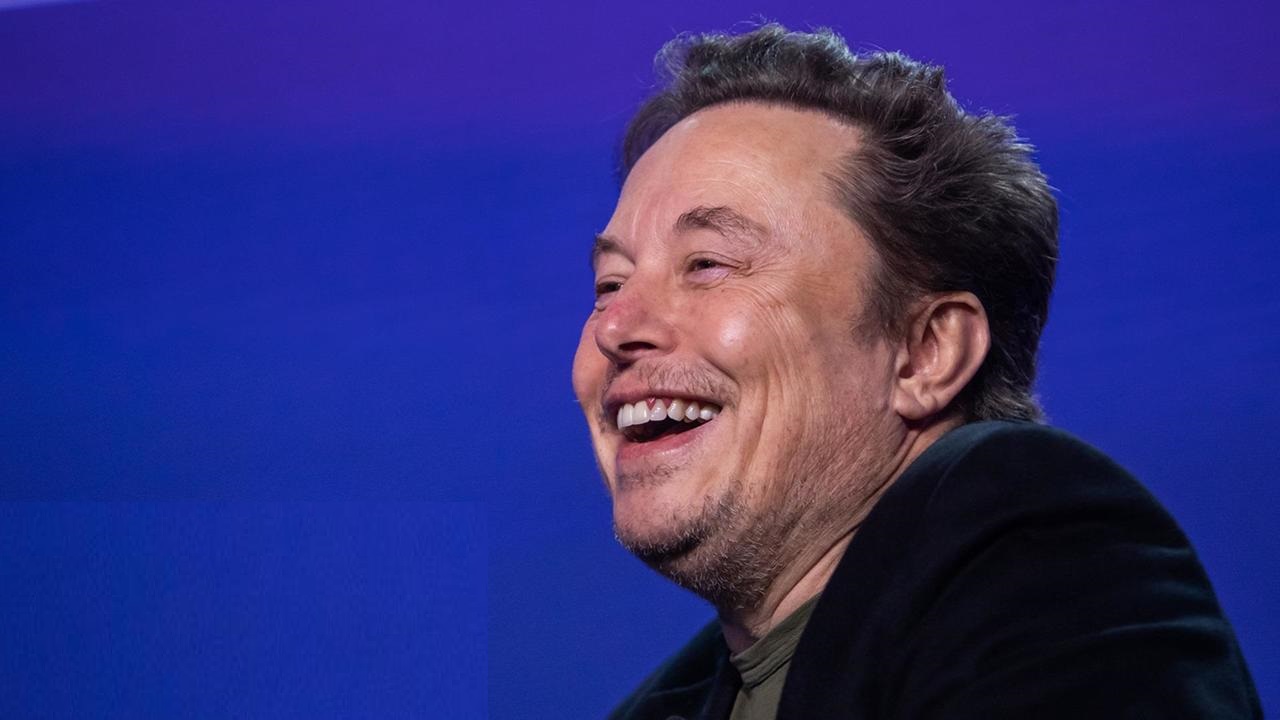
Tesla shareholders have overwhelmingly approved a controversial $56 billion pay package for CEO Elon Musk and voted to move the company’s legal headquarters to Texas, Excel Magazine International has gathered.
The decision comes despite a Delaware judge blocking the deal earlier this year, citing concerns of fairness to shareholders.
The approved compensation plan, which is unprecedented in scale, hinges on Tesla’s share price performance and has been a point of contention.
Initially blocked by Delaware judge Kathaleen McCormick, the package was deemed “unfair” and the process for determining it “deeply flawed” due to the board’s close ties to Musk.
Concerns were raised about the board’s independence, with key figures having personal relationships with Musk, including a board director vacationing with his family and a former general counsel who was Musk’s divorce attorney.
Elon Musk, addressing an enthusiastic crowd of shareholders in Texas, expressed his gratitude with characteristic flair, “Hot damn, I love you guys.”
The vote garnered 72% approval, mirroring the 73% support the package received in 2018. The pay deal, which grants Musk the right to approximately 300 million shares, is intended as a reward for achieving ambitious goals related to sales, profits, and share price set out in 2018.
Despite the shareholder vote, legal experts, including Mathieu Shapiro of Obermayer Rebmann Maxwell & Hippel, argue that the outcome “changes nothing” immediately and it remains uncertain if the court will accept the re-vote.
The legal battle over Musk’s compensation has highlighted broader concerns about his leadership style and the board’s oversight.
Tesla’s share price rose nearly 3% following Musk’s announcement of the vote results on his social media platform, X.
Industry analysts like Karl Brauer see the vote as a strong endorsement of Musk’s leadership, which has driven a significant appreciation in Tesla’s stock value.
Former Tesla executive Georg Ell noted the substantial returns for investors since 2018, arguing that the pay package is justified given the company’s performance.
Tesla’s board maintains that the package is essential to retain Musk’s commitment to the company.
Shareholders also re-elected James Murdoch and Kimbal Musk to the board, reinforcing the existing leadership structure.



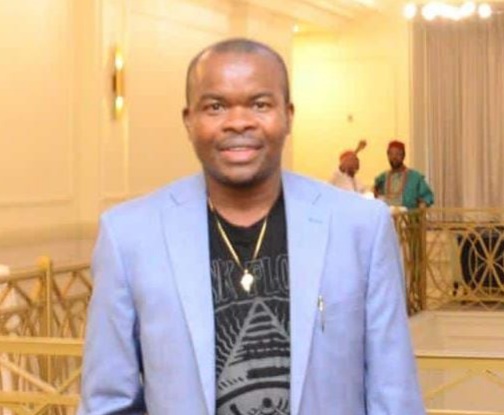
Nigeria’s Stakes in a Fractured Middle East, by Boniface Ihiasota
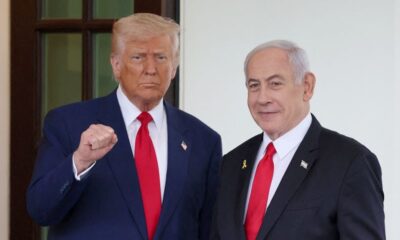
As confrontation among the United States, Israel and Iran deepen, the tremors are being felt far beyond the Middle East. What may appear, at first glance, as a distant geopolitical rivalry carries significant consequences for economies like Nigeria’s, for Nigerians working across the Gulf, and for a government already grappling with fiscal, security and inflationary pressures at home.
The rivalry between Israel and Iran has simmered for decades, manifesting through proxy conflicts in Lebanon, Syria and Gaza. The United States, Israel’s closest ally, has repeatedly confronted Iran over its nuclear programme, regional influence and support for armed groups. Periodic flare-ups — including airstrikes, missile exchanges and targeted assassinations — have raised fears of a broader regional war. Each escalation has renewed concerns about the stability of the Gulf, which remains the artery of the global oil market.
The Strait of Hormuz, a narrow shipping lane between Oman and Iran, is one of the most strategic chokepoints in the world. According to the U.S. Energy Information Administration, roughly 20 per cent of global petroleum liquids consumption — about 20 million barrels per day — transits through that corridor. Any threat to traffic through the Strait immediately sends oil prices upward. In previous episodes of heightened tension, Brent crude prices have jumped sharply within days of military confrontations.
For Nigeria, higher oil prices present a paradox. Crude oil still accounts for the overwhelming bulk of Nigeria’s export earnings — typically between 80 and 90 per cent — and about half of government revenues. When global prices rise above budget benchmarks, the Federation Account stands to gain additional inflows. In times of fiscal strain, such windfalls can temporarily ease pressure on foreign reserves and public finances.
However, history teaches caution. Oil price spikes driven by conflict are often volatile and short-lived. Markets respond quickly to diplomatic signals, ceasefire talks or de-escalation efforts. Nigeria’s production constraints further limit how much benefit can be captured. The country has struggled in recent years to consistently meet its OPEC quota due to oil theft, pipeline vandalism and infrastructure challenges. Without sustained production above 1.5 million barrels per day, revenue gains from price increases may not fully translate into fiscal stability.
Beyond government revenue, there is the inflationary dimension. Rising global oil prices increase the cost of refined petroleum imports, shipping and logistics. Although Nigeria is expanding domestic refining capacity, it still imports a portion of its refined products. Higher energy costs globally can translate into higher prices for food, manufactured goods and transportation. In an economy already facing elevated inflation, any additional imported cost pressure could worsen living standards.
There is also the human dimension. Millions of Nigerians reside and work across the Gulf Cooperation Council countries, particularly in the United Arab Emirates, Saudi Arabia and Qatar. Remittances from Nigerians abroad are a critical pillar of household income and foreign exchange. The World Bank has estimated Nigeria’s annual remittance inflows in recent years at around $20 billion, making it one of the largest recipients in Sub-Saharan Africa. Any prolonged regional instability that disrupts employment, air travel or financial flows in the Gulf would directly affect Nigerian families.
During previous Middle Eastern crises, airspace closures and airline suspensions disrupted travel routes that many Nigerians rely upon for business, education and pilgrimage. Escalation between major regional powers raises the risk of similar disruptions. The Nigerian government must therefore maintain accurate records of its citizens in vulnerable areas and strengthen consular responsiveness.
Security considerations also demand attention. Nigeria is a religiously diverse society with historical sensitivities that can be inflamed by international events. Conflicts in the Middle East sometimes trigger protests or polarised rhetoric at home. Authorities must be vigilant to ensure that global tensions are not exploited by local actors to deepen sectarian divides or spread misinformation. In an age of social media amplification, narratives from distant battlefields can travel rapidly and distort domestic discourse.
Diplomatically, Nigeria occupies a delicate position. As Africa’s largest economy and a longstanding contributor to United Nations peacekeeping missions, Nigeria traditionally supports peaceful resolution of disputes and adherence to international law. Escalation between the United States, Israel and Iran will test the country’s diplomatic balancing act, particularly given its economic ties to Western partners and its solidarity with developing nations in multilateral forums.
Preparation, therefore, is essential. Fiscal prudence must accompany any temporary oil windfall. Excess revenues, if realised, should strengthen reserves and reduce debt vulnerabilities rather than fund unsustainable spending. Production security in the Niger Delta must remain a priority to ensure that Nigeria can benefit legitimately from favourable market conditions. The Central Bank and fiscal authorities must also anticipate currency volatility linked to global risk sentiment.
At the same time, diaspora engagement should be proactive. Clear communication channels, emergency response planning and coordination with host governments can mitigate risks to Nigerians abroad. Intelligence and community outreach at home will help preserve social cohesion.
The confrontation among the United States, Israel and Iran may unfold thousands of kilometres away, but its economic currents, security implications and political symbolism flow directly toward Nigeria. In an interconnected global system, distance offers no insulation. What remains within Nigeria’s control is preparedness — the capacity to convert short-term opportunity into long-term stability, and to shield its citizens from the unintended consequences of distant wars.
Over 200 Killed in DR Congo Coltan Mine Landslide
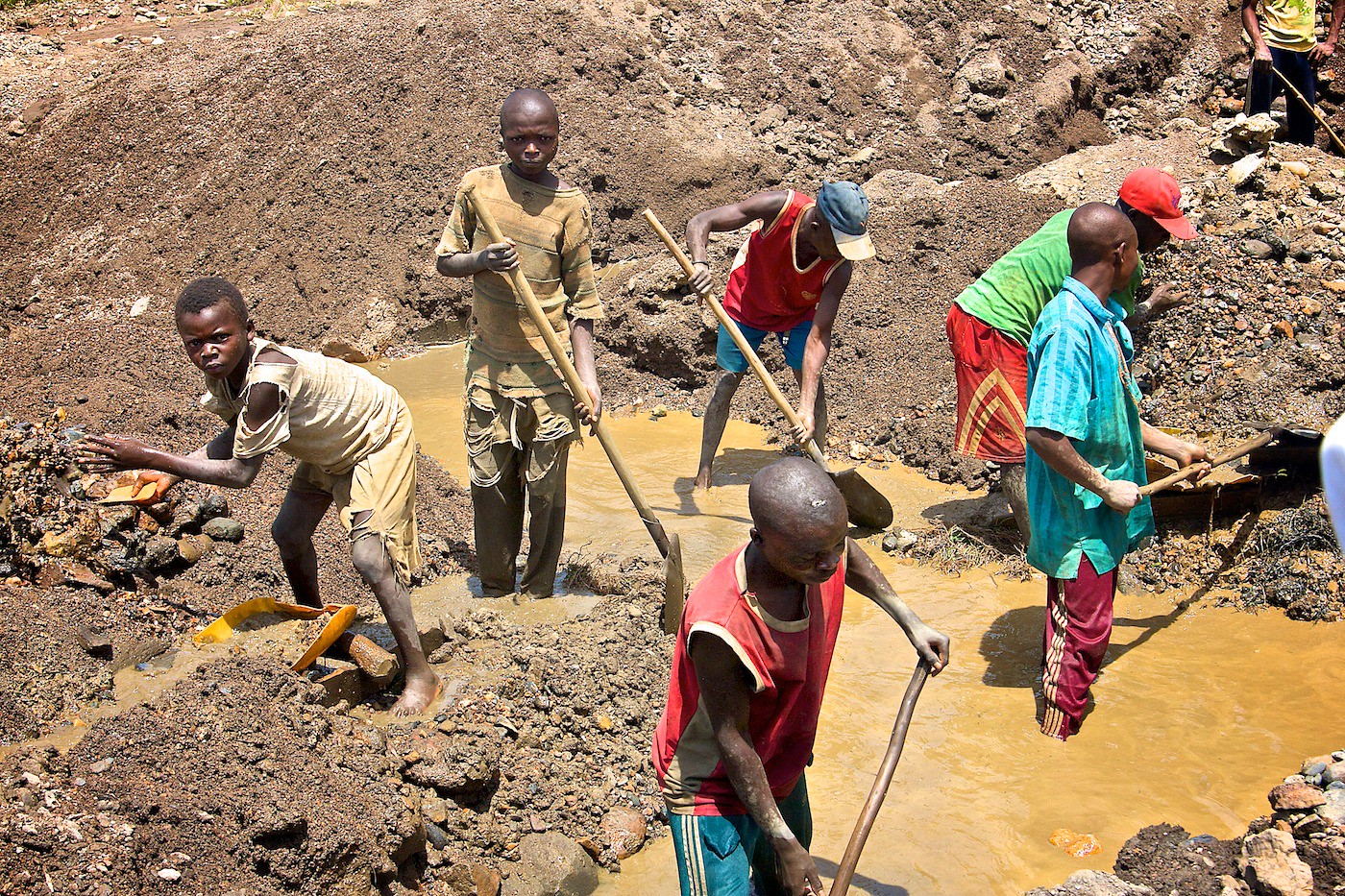
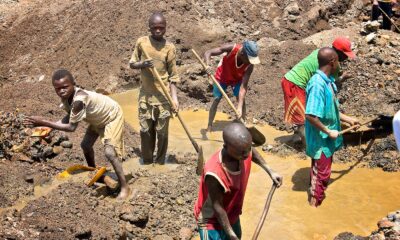
More than 200 people, including 70 children, have died following a landslide at a coltan mining site in Rubaya, eastern Democratic Republic of Congo, the government said on Wednesday.
The tragedy struck on Tuesday after heavy rains in the rebel-controlled area, with authorities blaming the M23 rebels for allowing unsafe, illegal mining.
Rescue operations were hampered by dangerous conditions, officials added.
Rubaya, the country’s largest source of coltan, holds about 15% of the world’s supply of the mineral used in electronics. Many injured miners have been evacuated to hospitals in Goma.
The toll could not be independently verified due to restricted access, disrupted communications, and ongoing insecurity in the region.

Mshel Homes Unveils The Groove, a Premium Lifestyle Estate in Wuye
Link Image:
https://drive.google.com/file/d/11-uF8z9efl0lVuv7MdUHQ3VnTkEps4Sb/view?usp=sharing
Mshel Homes has continued to strengthen its reputation as one of Nigeria’s most forward-thinking real estate developers, delivering projects that prioritise longevity, sustainability, and long-term value creation. Over the years, the company has consistently demonstrated intentional planning and execution across notable developments such as Hutu Exclusive, Hutu Pent Haven, Signature Residence, Harmony Hills, and Mshel Horizon, among others, within the Federal Capital Territory.
Building on this legacy, Mshel Homes has unveiled The Groove, a premium residential estate in the highly sought-after Wuye district of Abuja. Positioned within one of the city’s most prestigious neighbourhoods, The Groove is designed to offer a refined blend of luxury, comfort, leisure, and modern urban living.
Spanning approximately 3.06 hectares, the estate integrates lifestyle-driven amenities that support wellness and sustainability. Planned features include a thoughtfully designed recreational area, a swimming pool that encourages relaxation and social bonding, a state-of-the-art tennis court promoting physical activity and mental clarity, and landscaped green spaces that reinforce a nature-forward living experience.
Wuye remains a prime destination for high-value residential developments, favoured by individuals seeking an elevated standard of living beyond the conventional. Its strategic location provides seamless access to Abuja’s major districts, including the Central Business Area, Utako, Jabi, and Life Camp, making it both a lifestyle and investment-driven choice.
The Groove offers 200sqm, 350sqm, and 500sqm residential plots, alongside apartments, each supported by carefully curated architectural prototypes. These offerings provide flexibility for homeowners and investors alike, with use cases ranging from private residences and luxury rentals to shortlet apartments and strategic land banking.
Currently, all properties are in the pre-sale phase, offering a compelling opportunity. Early acquisition allows buyers to secure assets at lower entry points, ahead of infrastructure development and market appreciation. Historically, estates that progress from pre-entry to active development witness significant value growth, positioning early investors for sustainable capital appreciation.
Mshel Homes reinforces its commitment with The Groove by delivering estates that balance lifestyle excellence with long-term investment value anchored in credible execution and strategic location.
Interested buyers and investors seeking early access to The Groove are encouraged to act promptly, as pre-sale allocations are limited and entry prices are subject to upward review once development commences. For enquiries and site Inspections contact @mshelhomes across all social media platforms or 09069951704 or 08133933449 today.
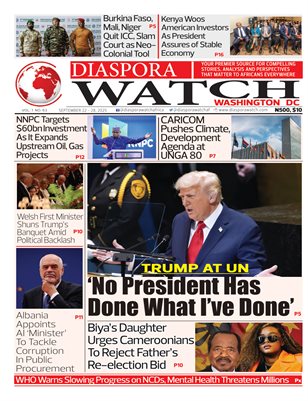


CARICOM pushes unified response to global shifts, backs Guyana’s COP35 bid

Nigeria’s Stakes in a Fractured Middle East, by Boniface Ihiasota

The United States, Israel and the Iran Question, by Alabidun Shuaib AbdulRahman

Pastor Jerry Eze Defends Miracles At UK Conference Amidst Criticism And Controversy

Diaspora Watch 20th Edition (October 14-20, 2024): Your Trusted Source for Global News and Insights

Tanzanian Man Reportedly Dies And Returns To Life Six Times


-
 News5 days ago
Power Play: Trump Insists on Picking Iran’s Next Leader
-

 News5 days ago
Ethiopia Launches First ‘Smart’ Police Station in Addis Ababa
-
 News5 days ago
Finland moves to lift nuclear weapons ban amid NATO alignment
-
 News5 days ago
US, Venezuela restore diplomatic relations
-
 Business5 days ago
Over 200 Killed in DR Congo Coltan Mine Landslide
-
 Analysis5 days ago
The United States, Israel and the Iran Question, by Alabidun Shuaib AbdulRahman