
News
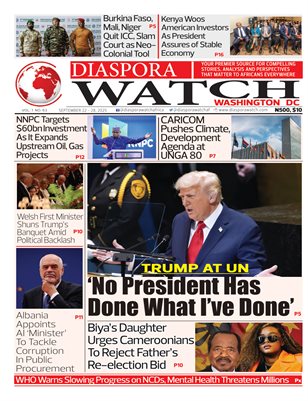
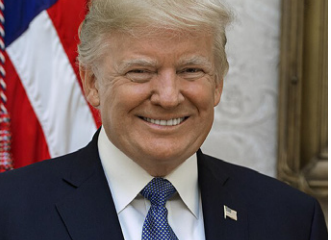
Trump at UN: ‘No President Has Done What I’ve Done’

Trump at UN: ‘No President Has Done What I’ve Done’
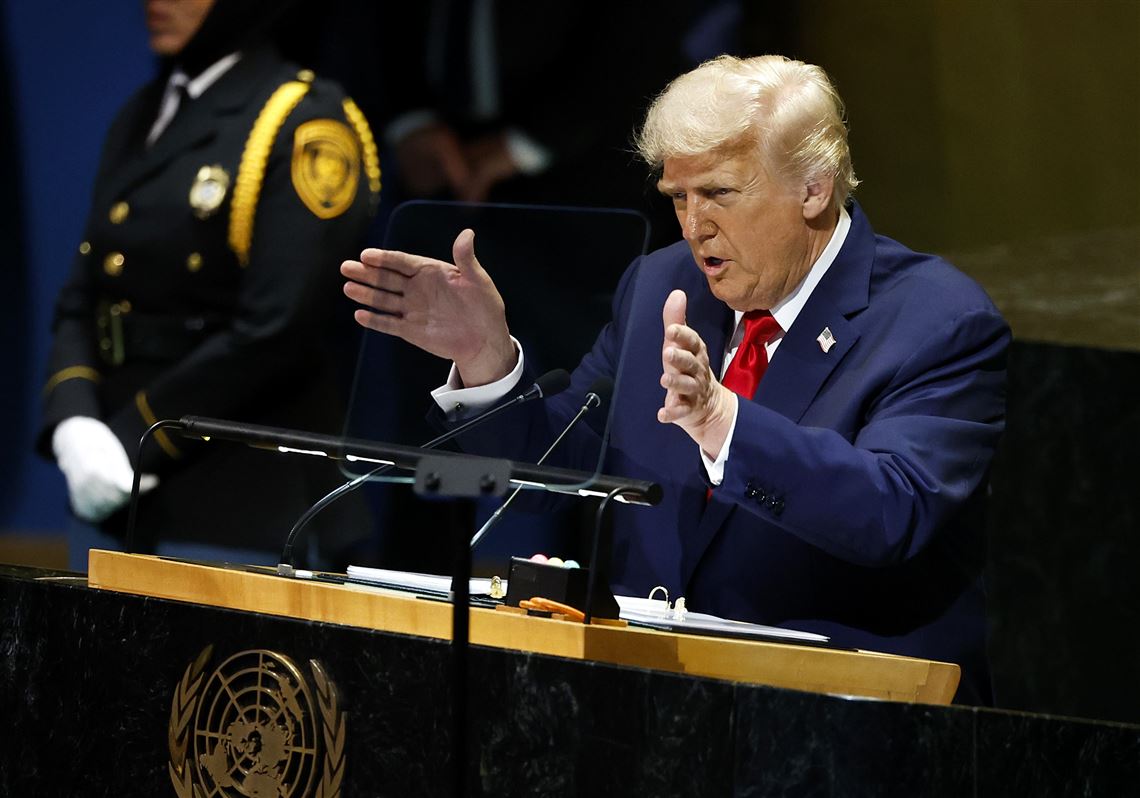
United States President, Donald Trump, on Tuesday told world leaders at the United Nations General Assembly (UNGA) in New York that the US had entered its “golden age” under his leadership, boasting of historic trade deals and claiming credit for ending seven international conflicts.
In a speech laden with self-praise, Trump said America had become “the best place on earth to do business,” citing sweeping global tariffs he introduced in his second term and trade pacts signed with the United Kingdom, European Union, Japan, South Korea, Vietnam and others.
“America is respected again, like it has never been respected before,” Trump declared, adding that recent record highs in US stock markets, tax and regulation cuts, and border security reforms were proof that his administration had delivered.
The US president also made a bold claim that his government had ended wars previously considered “unendable.”
He listed conflicts between Cambodia and Thailand; Kosovo and Serbia; Pakistan and India; Israel and Iran; Egypt and Ethiopia; Armenia and Azerbaijan; and the Democratic Republic of Congo and Rwanda.
“No other president has ever done anything close to that,” Trump said, while berating the UN for failing to play a role in resolving the disputes.
Earlier, UN Secretary-General, Antonio Guterres, had opened the annual debate by stressing that the world needs the UN’s “unique legitimacy, convening power and vision to unite nations.”
But Trump dismissed such assertions, insisting that his leadership had pushed NATO allies to increase defence spending from 2 per cent to 5 per cent of GDP and strengthened partnerships in the Gulf with Saudi Arabia, Qatar and the UAE.
The president, who began his address by attacking his predecessor’s administration as a “set of disasters,” said the US was now the “hottest country in the world.”
“This is indeed the golden age of America,” he told the assembly.


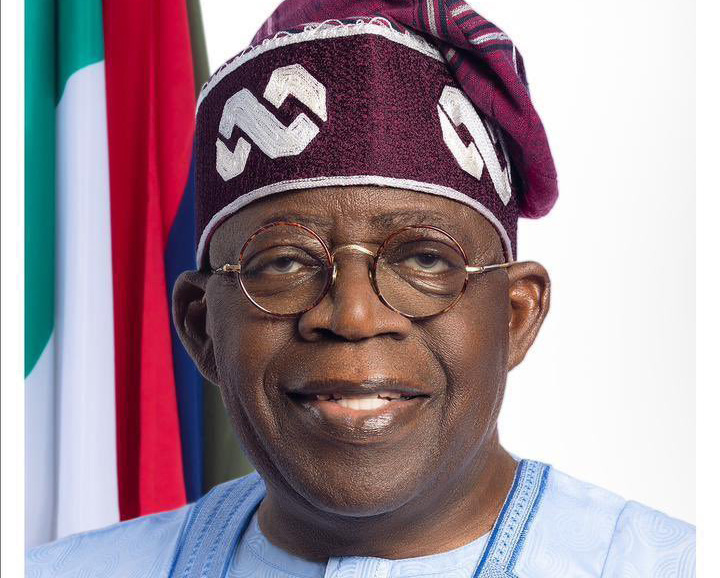
President Bola Tinubu has called on Nigerians and political actors to embrace peaceful politics and strictly adhere to the Electoral Act as the country prepares for another electoral cycle.
In his 2026 Easter message, the President reaffirmed his administration’s commitment to decisively tackle terrorism and banditry through strengthened local initiatives and international partnerships.
Tinubu acknowledged the nation’s lingering security challenges, while commending the efforts of the Armed Forces. He assured citizens that his government was deploying adequate resources and forging strategic alliances with foreign partners to address the threats.
He also referenced his recent visit to Jos, where he commiserated with victims of violence and reassured residents of improved security across the country. The President stressed the importance of unity and collective responsibility, noting that no meaningful development could take place in an atmosphere of fear and instability. He said, “No nation can thrive where fear prevails, and no progress can be sustained
without peace,” urging Nigerians to support lawful efforts and reject forces threatening the nation’s stability.
On the economy, Tinubu defended ongoing reforms, admitting their short-term impact on citizens but insisting they were necessary for long-term growth and prosperity. He expressed optimism that key economic indicators showed Nigeria was on the right path, describing the current phase as a transition
towards a more stable and prosperous future.
Tinubu further urged political stakeholders to act with maturity and responsibility, adding that democracy thrives in an environment defined by restraint, accountability, and informed participation.
The President, therefore, wished Nigerians a Happy Easter, thanked them for their continued support, and pledged his administration’s commitment to justify the confidence reposed in it.
#politics #Tinubu #reforms #terrorism #electoralact
CARICOM Scribe Barnett to Speak at Caribbean Energy Week
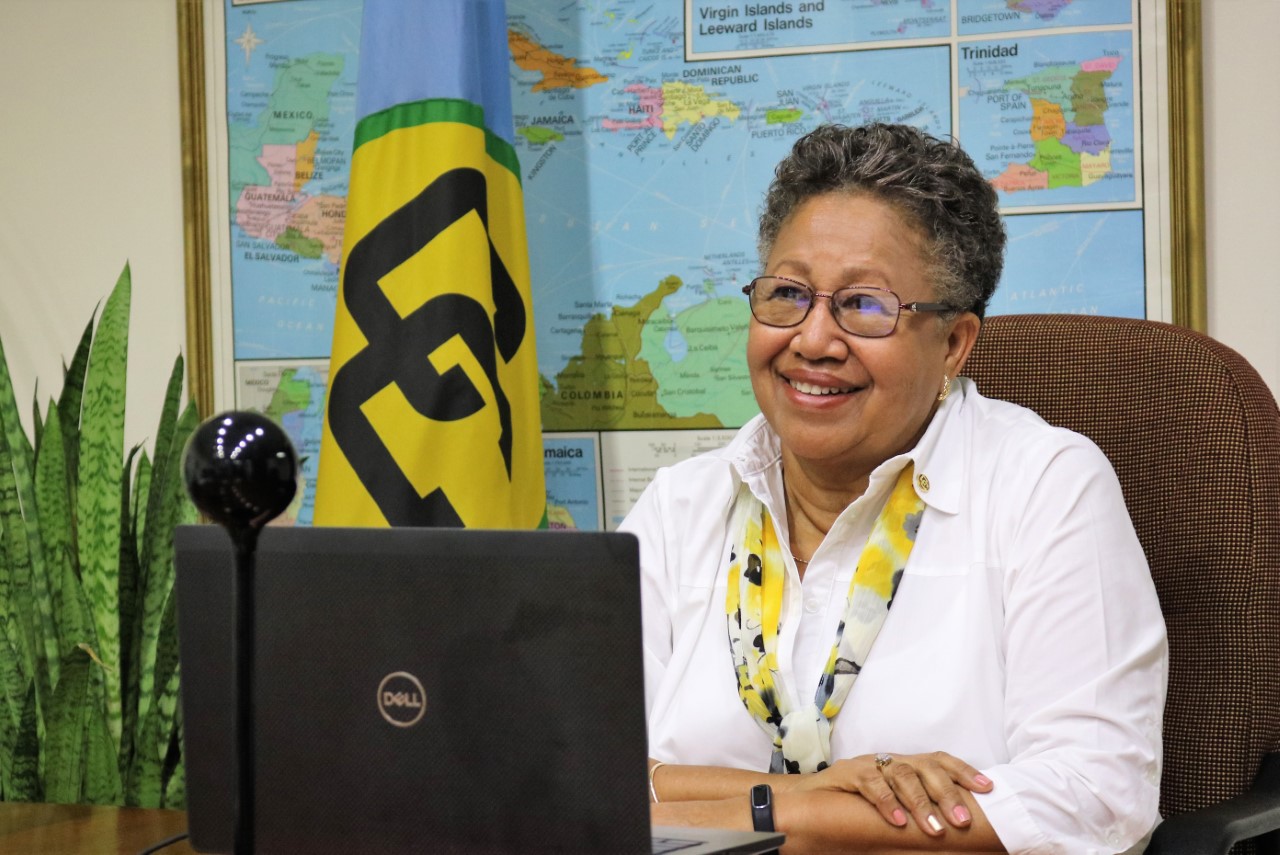
The Secretary-General of the Caribbean Community, Carla Barnett, is set to participate in the 2026 edition of Caribbean Energy Week scheduled to hold in Paramaribo, Suriname.
Barnett is expected to join heads of government, ministers responsible for energy and environment, as well as industry leaders at the high-level forum taking place from March 30 to April 1. She will deliver remarks on the opening day of the event.
Organisers of Caribbean Energy Week 2026 said the forum would bring together stakeholders across hydrocarbons, renewable power, mining and carbon credits to showcase investment-ready projects and deepen regional collaboration.
They noted that the event would serve as a platform to forge strategic partnerships and accelerate investment flows into the Caribbean’s energy sector.
The organisers added that the multinational gathering is also designed to strengthen the region’s ongoing energy transition by harnessing synergies in logistics, technology and partnerships, including engagement with African stakeholders.
Caribbean Energy Week is spearheaded by Energy Capital Power in collaboration with other strategic partners.
Melania Trump Rallies 45 Nations on AI-powered Education
By Boniface Ihiasota
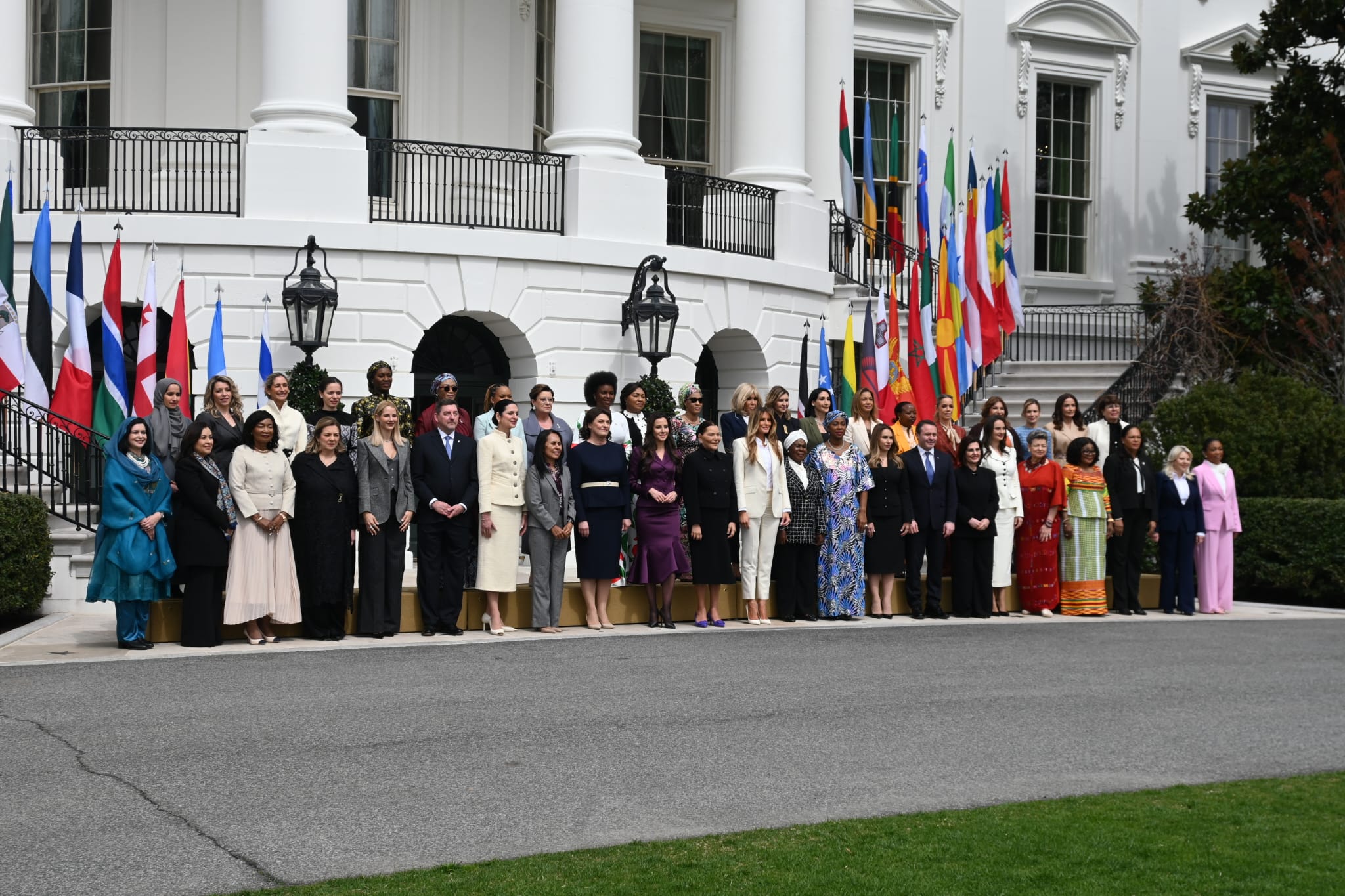
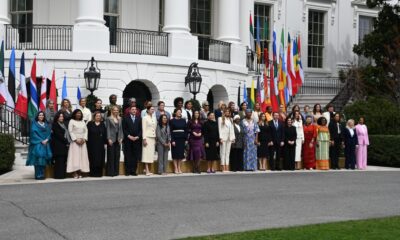
In what officials described as a landmark diplomatic and technological engagement, the First Lady of the United States, Melania Trump, on Wednesday hosted First Spouses from 45 countries at the White House for a high-level global summit on artificial intelligence and education.
The event, exclusively covered by Diaspora Watch Newspaper’s Boniface Ihiasota, was held under the “Fostering the Future Together” initiative and is regarded as the largest international assembly ever convened by a US First Lady within the White House.
The summit followed a prior day of engagements, including a four-part working session and a technology expo hosted at the US State Department, where delegates examined evolving global frameworks for digital learning and innovation.
At the core of Wednesday’s summit were policy presentations from nine countries, including the United States, France, Poland, United Arab Emirates, and Morocco, detailing national strategies for integrating artificial intelligence into education systems and broader socio-economic planning.
In her keynote address, Mrs. Trump framed the summit as the beginning of a new international coalition aimed at empowering children through technology-driven education.
“We are fostering the future together,” she declared, urging participants to move beyond dialogue into actionable commitments, including regional collaborations, legislative frameworks to protect children, and expanded access to digital tools for underserved populations.
She outlined three defining pillars expected to shape the next generation globally: the application of artificial intelligence to personalise learning experiences, the emergence of humanoid educators as in-home academic support systems, and the strategic use of technology and education to drive economic growth, particularly in the United States.
A defining moment of the summit was the unveiling of “Figure3,” an American-made humanoid system, introduced as a symbolic and practical demonstration of the next phase of artificial intelligence deployment.
The presentation marked the first time a humanoid technology of its kind has been formally showcased to international leaders in a diplomatic setting at the White House.
Addressing the gathering, Mrs. Trump emphasised a paradigm shift in the evolution of AI.
“The future of AI is ‘personified’ – it will be formed in the shape of humans. Very soon, artificial intelligence will move from our mobile phones to humanoids that deliver utility,” she said.
She explained that because human environments are inherently designed for people, humanoid systems would naturally integrate into everyday life, navigating and operating more effectively than traditional digital interfaces.
To illustrate this vision, she introduced a conceptual AI-powered humanoid educator named “Plato,” designed to bring centuries of human knowledge directly into homes.
According to her, “Plato” would provide instantaneous access to disciplines such as literature, science, philosophy, mathematics, history, and the arts, while offering a fully personalised learning experience tailored to each student’s pace, prior knowledge, and emotional state.
“Plato is always patient, always available,” she said, adding that such systems would significantly enhance students’ analytical abilities, critical thinking, and independent reasoning skills.
She further noted that the integration of AI in education could free up time for children to engage in social interactions, sports, and creative pursuits, thereby promoting a more holistic development model.
Despite her optimism, the First Lady cautioned against unregulated technological expansion, stressing that child safety must remain central to all innovation efforts.
“As discussed, we must balance our tech optimism with caution. The safety of our next generation is always paramount,” she said.
Mrs. Trump also used the platform to call for deeper collaboration between governments and the private sector, stressing the role of leading global technology companies such as Meta, Microsoft, OpenAI, Google, Zoom, Adobe, Palantir, and X, which she described as “best-in-class companies” driving innovation globally.
She said meaningful progress would depend on a coordinated model in which private enterprise delivers innovation, governments provide scale, and capital markets finance the distribution of emerging technologies.
According to her, the “Fostering the Future Together” initiative is built on the premise that efficiencies derived from artificial intelligence will transform key sectors such as commerce, healthcare, and food security, ultimately lifting global economies.
Positioning the moment within a broader historical context, Mrs. Trump described the current era as “The Age of Imagination,” comparing it to transformative periods such as the Industrial Revolution, the advent of electricity, the race to the Moon, and the birth of the internet.
She warned that artificial intelligence could potentially reset the global order and rebalance power among nations, making it imperative for countries to equip younger generations with the skills required to thrive in an AI-driven world.
Focusing on the United States, she stressed the need to produce the most technologically fluent and highly educated generation, noting that such an outcome would secure long-term economic superiority, drive GDP growth, attract global investment, and consolidate control over intellectual property.
“Our coalition can make this vision real by supporting concrete initiatives that equip young people with the skills they need,” she said.
She therefore called on global leaders to inspire innovation across sectors, including media, fashion, healthcare, and defence, urging them to harness artificial intelligence to build new industries and optimise production systems.
“Let’s foster the future together,” she emphasized.



Pastor Jerry Eze Defends Miracles At UK Conference Amidst Criticism And Controversy

Diaspora Watch 20th Edition (October 14-20, 2024): Your Trusted Source for Global News and Insights

Tanzanian Man Reportedly Dies And Returns To Life Six Times


-
 Trending3 days ago
Diaspora Watch – Vol. 87
-

 News3 days ago
Artemis II Crew Captures Stunning Images of Earth Midway to Moon
-

 News3 days ago
US, Iran Search for Missing Airman After Warplane Downed
-
 Analysis3 days ago
Understanding South Africa’s Xenophobic Violence, by Alabidun Shuaib AbdulRahman
-
 News3 days ago
Melania Trump Rallies 45 Nations on AI-powered Education
-
 Business3 days ago
Trump Seeks $152m to Reopen Alcatraz Prison, Faces Opposition