
News
US Supreme Court Allows Trump Administration to Deport 350,000 Venezuelans

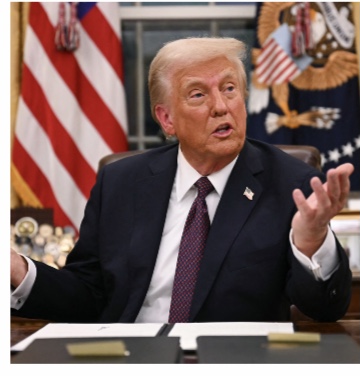
The US Supreme Court has ruled in favor of the Trump administration, allowing the termination of deportation protections for approximately 350,000 Venezuelans living in the United States.
The court’s decision reverses a lower court ruling that had blocked the administration’s plan to strip Temporary Protected Status (TPS) from Venezuelans.
TPS, introduced in 1990, permits individuals from countries experiencing war, natural disasters, or other extraordinary conditions to live and work in the US legally.
Venezuelans were granted TPS in 2021 due to the country’s complex humanitarian crisis, marked by widespread hunger, malnutrition, and a crumbling infrastructure.
The Trump administration argued that the California federal court had overstepped its authority by interfering with the executive branch’s powers on immigration and foreign affairs.
The Supreme Court’s unsigned order gave no explanation for the decision, with only Justice Ketanji Brown Jackson dissenting.
The decision could lead to significant changes in US immigration rules, putting hundreds of thousands of Venezuelans at risk of deportation.
Many have lived and worked in the country for years, contributing to the economy and building lives. Ahilan Arulanantham, representing TPS holders, described the ruling as “the largest single action stripping any group of non-citizens of immigration status in modern US history”.
Affected families will face an impossible choice between survival and stability.
Cecilia Gonzalez Herrera, a plaintiff in the case, expressed concerns about the humanitarian and economic impact, stating that the decision will “force families to be in an impossible position either choosing to survive or choosing stability”.
The Trump administration is expected to revoke TPS protections for tens of thousands of Haitians in August.
The ruling marks the latest in a series of decisions on immigration policies from the high court, with the administration seeking to undo Biden-era protections and increase deportations.
The Department of Homeland Security (DHS) welcomed the ruling, stating that it will help reinstitute integrity into the US immigration system.
However, advocates for TPS holders argue that the decision will cause irreparable harm to families and communities.





No Threat to Britain from Iran, Says Starmer
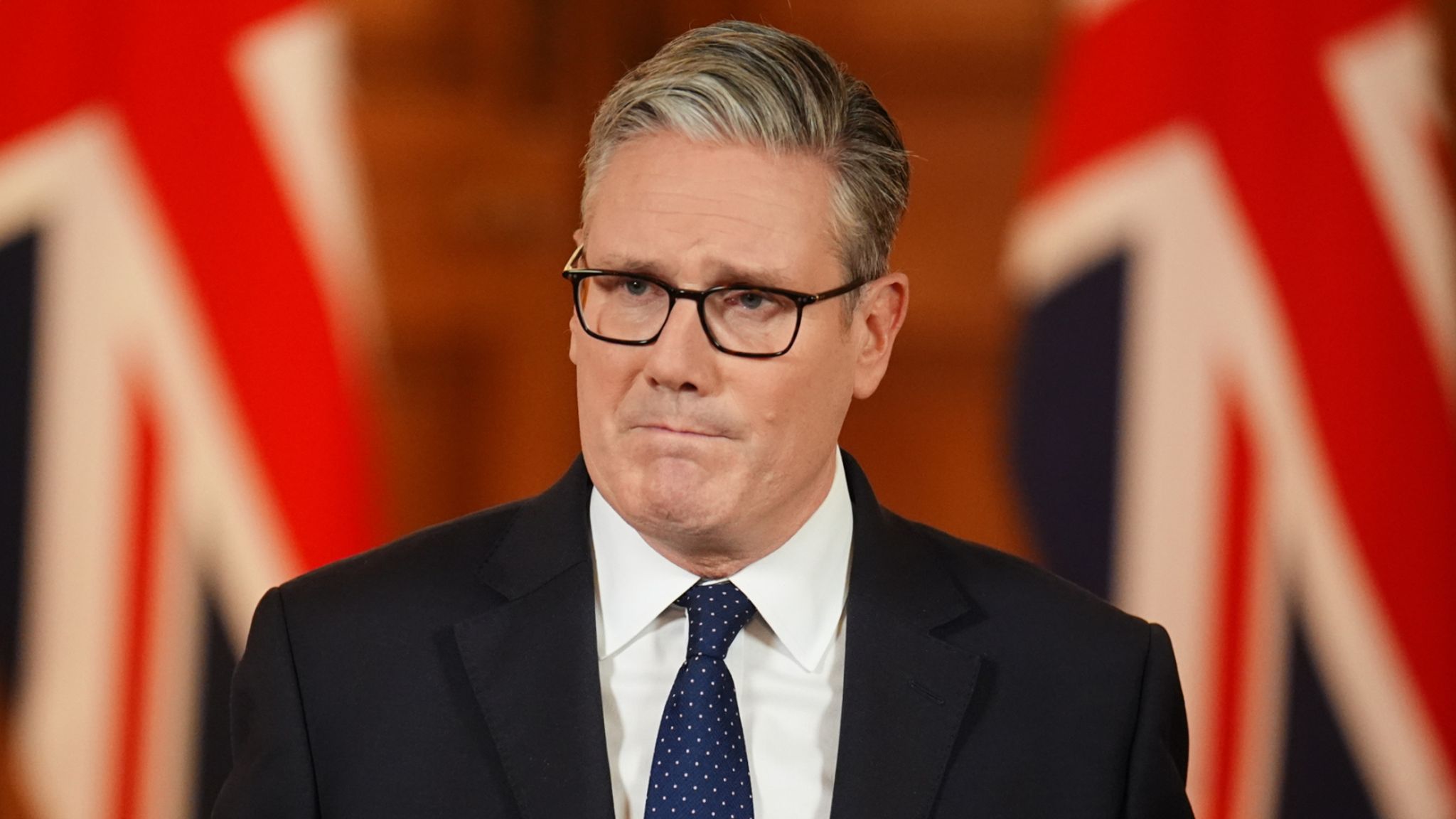
British Prime Minister Keir Starmer on Monday dismissed fears that mainland Britain could be targeted by Iran, insisting that national security assessments show no immediate threat.
Speaking to reporters in London, Starmer said, “We carry out assessments all the time in order to keep us safe, and there’s no assessment that we’re being targeted in that way.”
The Prime Minister’s statement comes amid reports over the weekend that Iran fired two ballistic missiles at the joint U.S.-U.K. military base on Diego Garcia, an island in the Indian Ocean.
When asked if Britain could face repercussions from Iran following the strike, Starmer maintained a cautious tone, emphasising that protecting British interests was his top priority.
He also commented on the strategic Strait of Hormuz, a vital route for global oil supplies, saying any attempt to reopen it must be approached with “careful consideration” and a “viable plan.”
The Prime Minister concluded by underlining his commitment to de-escalation, signalling a steady but cautious British approach in the region.
China Cautions US, Israel Against Escalation, Cites Iraq War Lessons
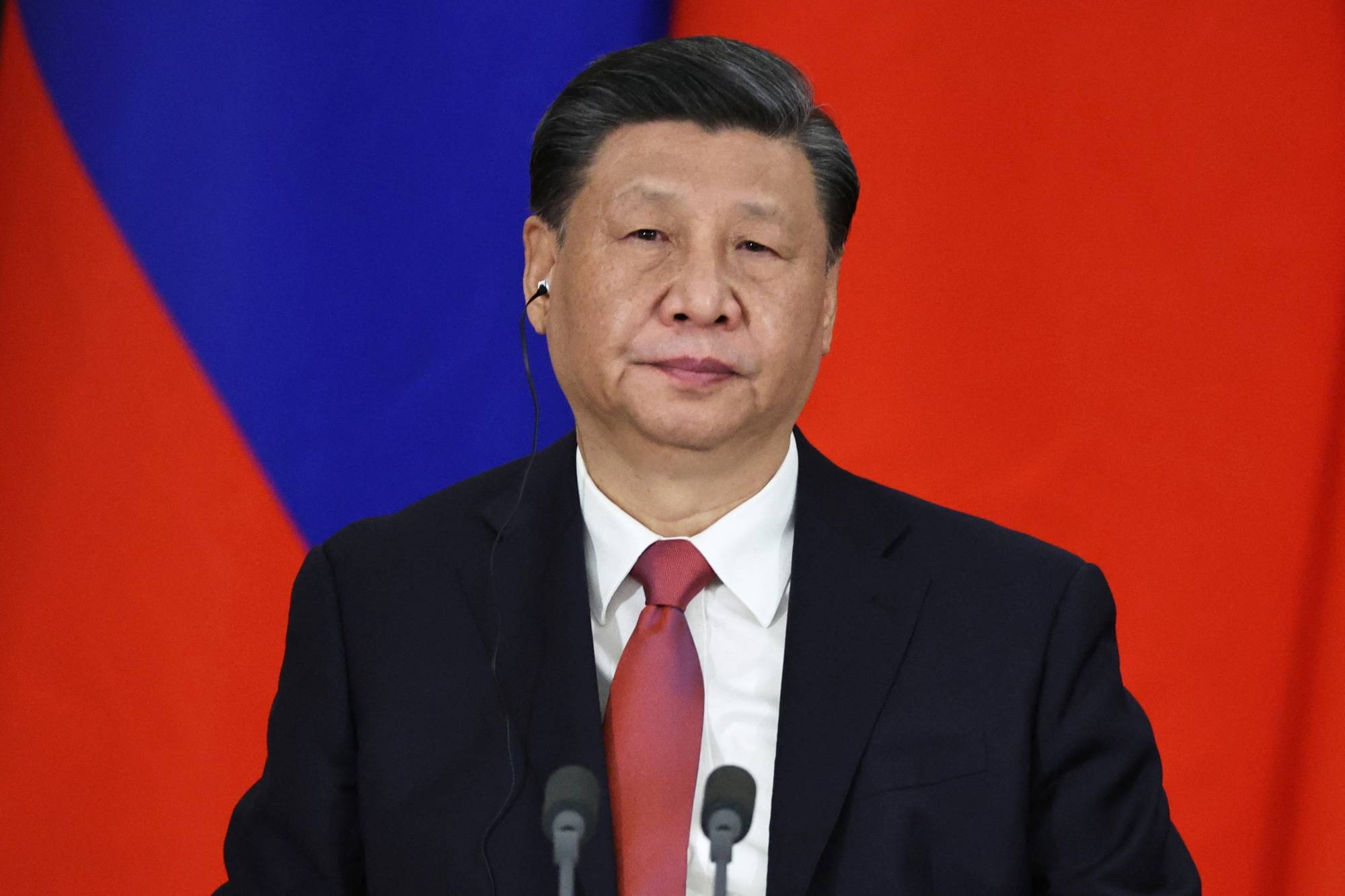
China on Monday called on all parties involved in the escalating Middle East conflict, particularly the United States and Israel, to halt military operations, warning that continued hostilities could trigger a “vicious cycle” with far-reaching global economic consequences.
Speaking after a shuttle diplomacy tour of Saudi Arabia, the United Arab Emirates and Kuwait, China’s Special Envoy to the Middle East, Zhai Jun, urged restraint, stressing that those responsible for the crisis must take the lead in resolving it.
“The one who tied the bell must be the one to untie it,” Zhai said during a media briefing, underscoring Beijing’s position that dialogue, not force, remains the only viable path to de-escalation.
In a separate briefing, Chinese Foreign Ministry spokesperson, Lin Jian, cautioned that the continued use of force would only deepen tensions, warning that an expansion of the conflict could plunge the entire region into chaos.
Referencing historical precedents, China highlighted the long-term consequences of war, pointing to the Iraq War, which marked its 23rd anniversary last week, as a stark reminder of the devastation prolonged conflicts can inflict on the Middle East.
The ministry noted that the 2003 invasion of Iraq led to years of instability, significant loss of life and the eventual rise of extremist groups, warning that a similar trajectory could emerge if the current hostilities involving Iran persist.
Meanwhile, Beijing expressed concerns over the economic fallout of the crisis, particularly on global energy supply and its export-driven economy, as disruptions in the Strait of Hormuz—through which a significant share of global oil passes—threaten emerging markets and could dampen demand for Chinese goods in the coming months.
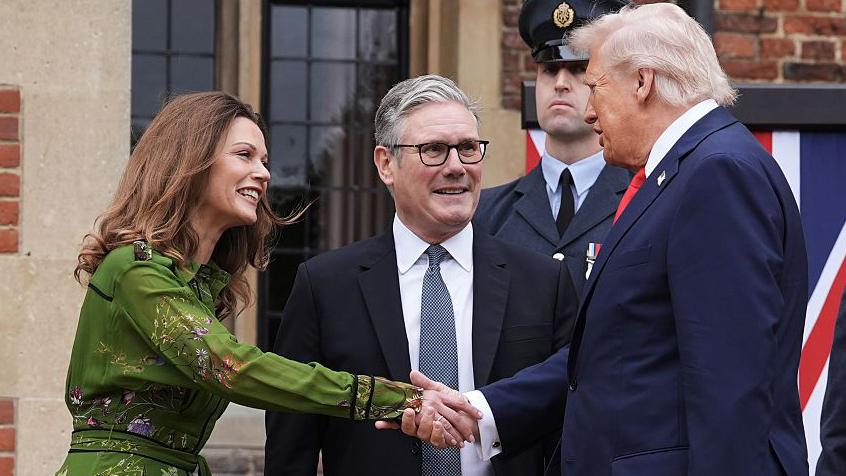
Trump Shares Skit Mocking Starmer Amid Iran War Talks
United States President Donald Trump has shared a video of a comedy skit portraying United Kingdom Prime Minister Keir Starmer as anxious about taking his call, hours after both leaders discussed the ongoing US-Israel war with Iran.
The clip, posted on Truth Social, was taken from a British adaptation of Saturday Night Live and featured actor George Fouracres depicting a visibly nervous Starmer inside Downing Street ahead of a fictional phone conversation with Trump.
In the skit, Starmer is seen expressing fears about speaking with Trump, jokingly referring to him as a “scary, scary, wonderful president,” while consulting a parody version of Foreign Secretary David Lammy over the United Kingdom’s position on the Strait of Hormuz crisis.
Trump did not include any caption with the video, which surfaced amid rising tensions between Washington and its NATO allies over their reluctance to support US-led efforts to counter Iran’s blockade of the Strait of Hormuz.
The US President has recently criticised NATO members, including the UK, describing them as unwilling to assist in what he termed a straightforward military effort to reopen the vital oil shipping route, through which about 20 per cent of global supply passes.
Meanwhile, both leaders held talks on Sunday evening, with Downing Street confirming that Trump and Starmer agreed on the urgency of reopening the Strait to stabilise global energy markets and ensure uninterrupted shipping.
However, Starmer on Monday stressed the need for caution, noting there was no indication Britain was under direct threat from Iran, while reiterating that any military response must prioritise de-escalation and protection of British interests.
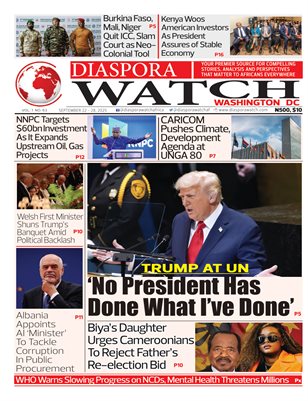


Diaspora Watch Vol. 86

The War Beneath the War, by Alabidun Shuaib AbdulRahman

Tinubu in Windsor, Nigeria in Flames, by Boniface Ihiasota

Pastor Jerry Eze Defends Miracles At UK Conference Amidst Criticism And Controversy

Diaspora Watch 20th Edition (October 14-20, 2024): Your Trusted Source for Global News and Insights

Tanzanian Man Reportedly Dies And Returns To Life Six Times


-
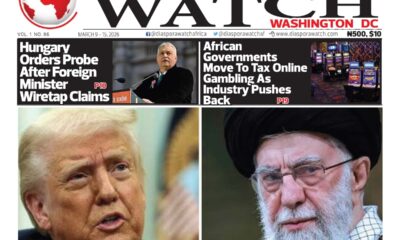 Diaspora4 days ago
Diaspora Watch Vol. 86
-
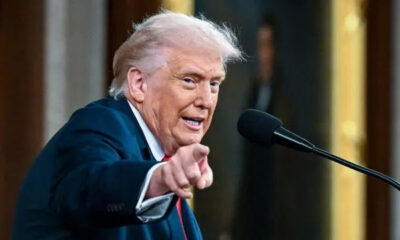
 News7 days ago
Confusion Trails Trump’s Claim Of Talks With Iran
-
 Analysis6 days ago
The War Beneath the War, by Alabidun Shuaib AbdulRahman
-
 News7 days ago
China Cautions US, Israel Against Escalation, Cites Iraq War Lessons
-
 News7 days ago
No Threat to Britain from Iran, Says Starmer
-
 Analysis6 days ago
Tinubu in Windsor, Nigeria in Flames, by Boniface Ihiasota