
Business
Historic Partnership Announced Between Smith Choates Holdings And Urban Icon International


Smith Choates Holdings, LLC, and Urban Icon International have announced a groundbreaking partnership to develop state-of-theart sports arenas and hotels across several key African cities. This historic merger is poised to revolutionize the entertainment and hospitality industries in Africa, while promoting community engagement and economic growth.
The partnership brings together two industry leaders committed to advancing technology and infrastructure in Africa. Smith Choates Holdings, a renowned construction and development company, and Urban Icon International, a cutting-edge design and architecture firm, will combine their expertise to create world-class sports arenas and
hotels that showcase African culture and excellence.
The initial phase of the project will focus on developing six luxury hotels in Tanzania, Kenya, Mozambique, Uganda, and other countries, with a total investment of $812 million. The hotels will feature state-of-the-art amenities, including conference facilities, spas, and restaurants, and will be designed to meet the needs of business travelers and tourists alike.
The partnership is a testament to the power of collaboration and the shared commitment of both companies to driving economic growth and community development in Africa. The project is expected to create thousands of jobs
for locals and will contribute to the growth of the tourism industry in Africa.
“We are thrilled to partner with Urban Icon International to bring this vision to life,” said Maniish Thakrar, CEO of Smith Choates Holdings. “Together, we will create iconic landmarks that showcase African excellence and provide world-class entertainment and hospitality experiences.”
“We are proud to join forces with Smith Choates Holdings to develop infrastructure projects that will have a lasting impact on African communities,” said Elton Moodley, CEO of Urban Icon International. “This partnership demonstrates our commitment to advancing technology and infrastructure in Africa.”
The project is expected to break ground in the coming months, with the first hotel expected to be completed within the next 18 months. This historic partnership is poised to leave a lasting legacy in Africa and cement the continent’s position as a hub for entertainment, tourism, and economic growth.


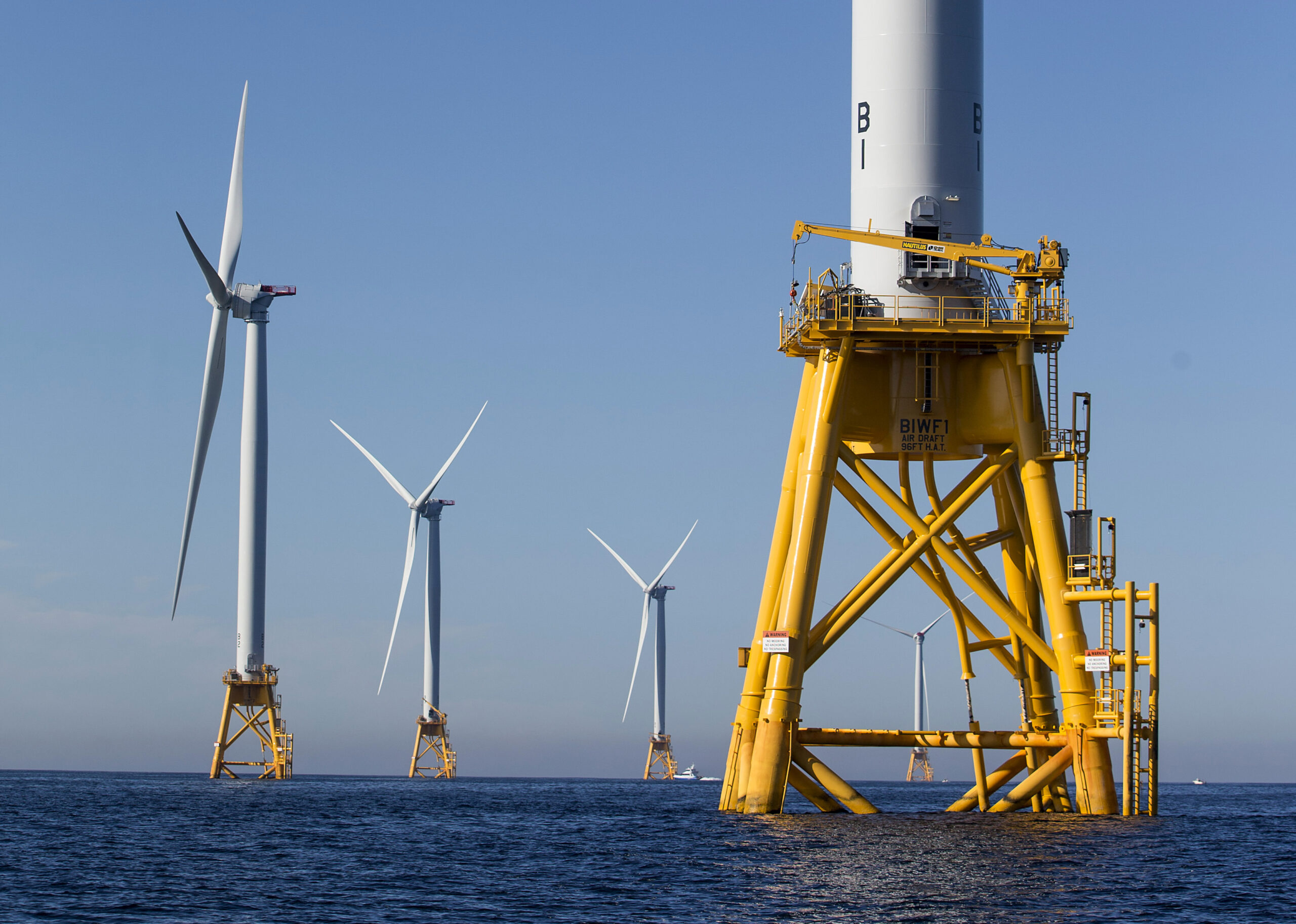
RWE abandons US offshore wind projects in $1.2bn Trump deal
German energy giant RWE has agreed to abandon its offshore wind projects in the United States under a $1.2bn deal with the administration of President Donald Trump, in another major setback for the country’s offshore wind industry.
Under the agreement, RWE will relinquish its offshore wind leases off California and Louisiana, as well as in the New York Bight, an area between New York and New Jersey that has been regarded as one of the most promising locations for offshore wind development in the United States.
The company said there was no foreseeable path to securing permits for the projects under the current regulatory environment.
RWE said it would redirect its investment towards conventional energy projects, including about $900m for a liquefied natural gas export terminal in Louisiana.
The agreement is the latest in a series of deals under the Trump administration aimed at ending or restructuring offshore wind projects in the United States.
The development reflects a dramatic shift in American energy policy since Trump returned to the White House, with the administration placing greater emphasis on oil and gas production while challenging the expansion of renewable energy.
Trump has repeatedly criticised wind energy and has made increased domestic fossil-fuel production a major part of his energy policy.
Interior Secretary Doug Burgum welcomed the RWE agreement, saying the administration was pursuing an energy system based on what he described as economic practicality rather than dependence on subsidies.
RWE, however, stressed that the agreement did not represent a withdrawal from the American energy market.
The company plans to invest about €17bn over the next six years to expand its power-generation capacity in the United States.
The latest agreement therefore represents a strategic adjustment rather than a complete retreat from the American market, with RWE shifting its investment towards areas it believes can operate under the current policy environment.
In March 2026, the Department of the Interior reached an agreement with French energy company TotalEnergies that resulted in the termination of its offshore wind projects, with the company redirecting investment towards an LNG facility in Texas and conventional oil activities in the Gulf of Mexico.
The administration also reached a $129m agreement with Duke Energy last month that resulted in the termination of the company’s offshore wind lease in the Carolina Long Bay area.
The RWE agreement is therefore part of a broader policy pattern rather than an isolated corporate decision.
The administration has argued that offshore wind projects depend excessively on government support and can impose higher costs on consumers.

Rubio vows US will keep protecting Gulf shipping, says diplomacy with Iran still possible
By Boniface Ihiasota, Washington DC
United States Secretary of State, Marco Rubio on Wednesday said Washington would continue military operations to safeguard international shipping routes from Iranian attacks while insisting that the U.S. remained open to a diplomatic resolution of the crisis.
Rubio, who spoke to journalists in Manila, accused Iran of undermining previous commitments by continuing attacks on commercial vessels transiting a key international waterway.
He said Tehran had failed to uphold an earlier understanding that called for unrestricted maritime navigation, arguing that the latest attacks demonstrated Iran was “not serious” about diplomacy.
“We remain open to diplomacy. We remain open to working it out in a negotiated way. But right now, they don’t seem to be serious about that,” Rubio said.
According to him, the U.S. military would continue targeting sites allegedly used to launch attacks against commercial shipping while protecting vessels passing through the strategic maritime corridor.
“Ships are trying to go through the straits, and they’re getting blown up. The United States is defending that shipping and degrading Iran’s ability to target global shipping,” he said.
Rubio also rejected suggestions that Washington’s objective was to force Iran into submission, arguing instead that the U.S. was determined to prevent Tehran from acquiring nuclear weapons.
He claimed Iran had spent decades investing heavily in missiles, drones and proxy groups instead of addressing domestic economic challenges, including soaring inflation and rising food prices.
The U.S. Secretary of State urged more countries to join efforts to secure international shipping lanes, saying many nations depended more heavily on the affected maritime route than the United States.
Although Washington had not made fresh requests during meetings with Asian allies in Manila, Rubio disclosed that previous discussions had explored possible contributions, including naval mine-clearing capabilities.
He maintained that the U.S. would prefer a negotiated settlement but insisted that freedom of navigation could not be compromised.
Rubio also confirmed he would meet Russian Foreign Minister Sergey Lavrov to discuss the war in Ukraine, saying Washington remained willing to play a constructive role in efforts to end the conflict while pursuing cooperation with Moscow on other strategic issues.
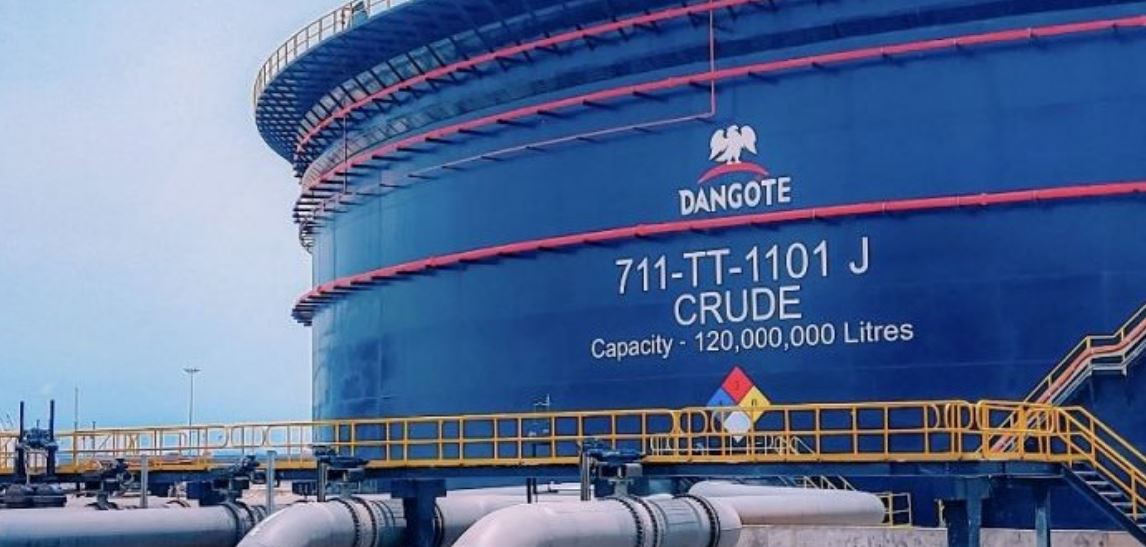
Marketers Import Dangote-Refined Fuel Through Togo Hub
Nigerian fuel marketers are increasingly importing refined petroleum products produced by the Dangote Petroleum Refinery through an offshore trading hub in Lomé, Togo, in a development that underscores the refinery’s growing influence on fuel supply across West Africa.
The disclosure was made by Matthew Tracey-Cook of S&P Global during a webinar organised by the Major Energies Marketers Association of Nigeria.
The webinar, themed “West Africa Pricing and Flows in the Context of the War,” examined evolving fuel supply chains and pricing trends within the region.
Speaking during the session, Tracey-Cook said refined products from the Dangote Refinery are being exported on a coastal basis to Lomé before being re-imported into Nigeria by fuel marketers.
According to him, the trend reflects the increasingly interconnected relationship between the Lagos-based refinery and the offshore ship-to-ship trading hub in Togo.
He noted that despite Dangote’s growing capacity to supply the domestic market directly, some marketers continue to source products through Lomé, a development that may be linked to pricing differences between local and international markets.
Tracey-Cook, however, stressed that the Togolese hub remains a strategic logistics centre for fuel distribution across West Africa.
According to him, the facility continues to handle significant fuel volumes and remains slightly larger than it was in 2024.
He added that volumes transacted through Lomé surged in certain periods, particularly in November and December 2025, surpassing volumes recorded on several other regional supply routes.
The S&P Global official explained that the hub plays a vital role in regional fuel distribution by receiving large medium-range tankers and transferring cargoes to smaller vessels capable of accessing ports with limited infrastructure.


Rubio Reveals Late-Night Calls, Says No ‘Typical Day’ as US Security Chief

Chiemela Nathan: The ‘Girl With an Agenda’ Who Turned Excellence Into Leadership

CARICOM Urges Youths to Build Skills, Embrace Entrepreneurship

Pastor Jerry Eze Defends Miracles At UK Conference Amidst Criticism And Controversy

Diaspora Watch 20th Edition (October 14-20, 2024): Your Trusted Source for Global News and Insights

Tanzanian Man Reportedly Dies And Returns To Life Six Times


-
 Analysis5 days ago
Adeleke’s Osun Victory: What It Means for Nigeria’s 2027 Elections
-

 News5 days ago
Harry, Meghan to return to Britain with children six years after royal exit
-
 Milestone5 days ago
Chiemela Nathan: The ‘Girl With an Agenda’ Who Turned Excellence Into Leadership
-

 News5 days ago
Five Years on the Throne: Reflecting on the Reign of the Olu of Warri, by Boniface Ihiasota
-

 Analysis5 days ago
Before Wike Turns Abuja City to Jakarta, by Alabidun Shuaib AbdulRahman
-
 News5 days ago
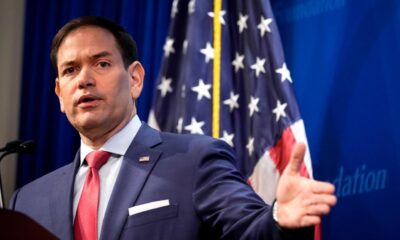
Rubio Reveals Late-Night Calls, Says No ‘Typical Day’ as US Security Chief