
Tech
Four Malicious Apps Android Users In Nigeria Must Beware Of — NITDA


The National Information Technology Development Agency (NITDA) has identified four malicious apps targeting Android users in Nigeria. These apps, disguised as legitimate software, aim to infiltrate devices, steal sensitive information, and compromise user privacy.
Cybercriminals are becoming increasingly sophisticated, making it crucial for individuals to remain vigilant and informed about potential threats. Malicious apps often offer attractive features or services to lure unsuspecting users into downloading them. Once installed, these apps can execute harmful activities such as data theft, unauthorized
access to personal information, and financial fraud.
NITDA has revealed the four malicious apps that Android users in Nigeria must avoid:
Crazy Game: This app may seem entertaining, but it hides malicious intent, posing a significant risk to users’ personal data.
Sexy Videos: As the name suggests, this app appeals to users’ curiosity but is designed to compromise device security and steal sensitive information.
TikToks: This app is not related to the popular social media platform TikTok. Instead, it is a malicious tool aimed at Android users in Nigeria, seeking to exploit their personal data.
Weapons: This app’s name is misleading, and its true purpose is to compromise device security, steal sensitive information, and execute harmful activities.
NITDA urges users to avoid these apps and adopt secure mobile practices to safeguard against cyber threats. By staying informed and vigilant, Nigerians can protect their devices and personal data from these malicious apps.
The agency’s warning serves as a reminder of the importance of mobile security in today’s digital age. As technology advances, cybercriminals are becoming more sophisticated, making it essential for individuals to stay ahead of potential threats.
In a statement, NITDA emphasized the need for users to be cautious when downloading apps, ensuring they are from trusted sources and reading user reviews before installation. The agency also encouraged users to keep their devices and antivirus software up to date to prevent potential vulnerabilities.
The identification of these malicious apps is a significant step in NITDA’s efforts to combat cybercrime in Nigeria. The agency’s proactive approach aims to ensure a safer digital environment for citizens, promoting awareness and education on mobile security best practices.
As the digital landscape continues to evolve, it is crucial for individuals to remain informed and vigilant against potential cyber threats. By working together with agencies like NITDA, Nigerians can safeguard their personal data and devices, creating a more secure digital community


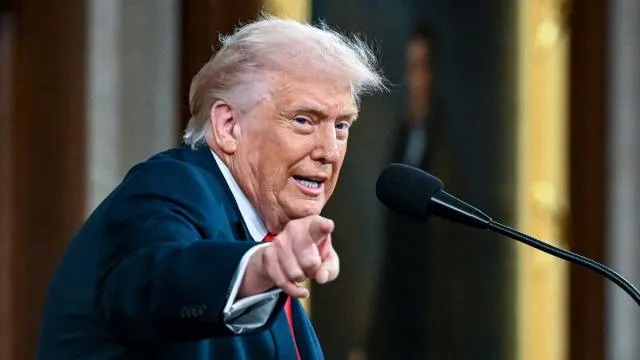
Trump Announces Intel-Apple Chip Deal
United States President, Donald Trump, has announced that chipmaker Intel has struck a deal with Apple to begin producing computer chips within the United States, in a move aimed at strengthening domestic semiconductor manufacturing and reducing reliance on overseas supply chains.
Trump disclosed the development on Thursday via his Truth Social platform, stating that the decision aligns with his administration’s push to expand American chip design and production capacity.
“I decided to help Intel because we need to design and build our Chips right here in America,” he wrote.
Following the announcement, Intel shares surged by more than nine per cent in premarket trading, reflecting investor optimism over the potential scale of the partnership. The company, however, declined to comment on the reported deal.
The agreement is expected to support Apple’s efforts to diversify its manufacturing base.
The company, headquartered in California, currently relies heavily on Taiwan for the production of processors used in its iPhones, iPads and Mac computers.
The development comes at a time when Apple Chief Executive Officer, Tim Cook, has warned that rising production costs—particularly for memory and storage chips driven by artificial intelligence demand—could make price increases unavoidable.
“We’re doing our best to mitigate the huge increases that are being passed to us… but the situation has become unsustainable,” Cook told the Wall Street Journal earlier this week.
The Trump administration had previously taken steps to strengthen Intel’s position in the global semiconductor industry, including an $8.9bn investment in the company’s stock last August, giving the US government an estimated 10 per cent stake.
The move formed part of broader efforts to boost domestic chip production and secure supply chains for advanced semiconductors, which Washington considers critical to national security and economic competitiveness.
In his social media post, Trump also reflected on the growth in Intel’s market valuation since the government investment, claiming the company’s value had risen significantly within months.
“They were worth around 100 Billion Dollars when we made our offer. Now they are worth over 600 BILLION DOLLARS!” he wrote, adding that the US stake was now worth more than $60bn.
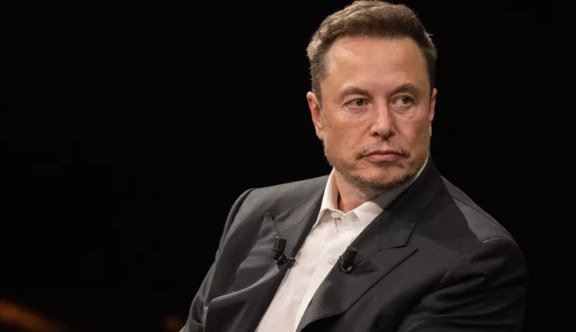
Elon Musk Becomes World’s First Trillionaire After SpaceX IPO Pricing
Tech billionaire Elon Musk has become the first individual in history to surpass a $1 trillion net worth, at least on paper, following the pricing of the much-anticipated initial public offering (IPO) of SpaceX.
The milestone was reached after SpaceX shares were priced at $135 each, a development that significantly boosted Musk’s estimated wealth beyond the trillion-dollar threshold, according to market valuations.
Before the IPO pricing, Musk’s net worth was estimated at about $813 billion, already making him the world’s richest individual by a wide margin.
Data from Forbes showed his fortune was more than double that of Google co-founder Larry Page, whose wealth is estimated at around $288 billion.
The SpaceX stock, expected to trade under the ticker symbol “SPCX,” is scheduled to begin trading on the Nasdaq Composite as markets open on Friday at 9:30 a.m.
The development highlights the expanding scale of global ultra-wealth, with a trillion dollars now comparable to the annual gross domestic product of several major economies.
World Bank data indicates that only 19 countries worldwide have economies exceeding $1 trillion, including the United States and the Netherlands.
The IPO is also expected to generate substantial wealth for early investors and employees of the company. Reports suggest that about 4,400 SpaceX staff could become millionaires once trading begins.
Despite this broader distribution of wealth, Musk remains the largest beneficiary due to his significant ownership stake in SpaceX, further cementing his position as one of the most influential figures in global technology and finance.

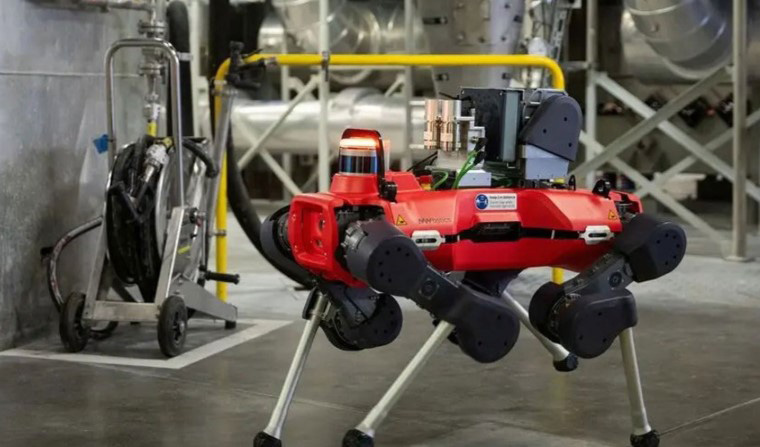
Artificial intelligence is steadily moving beyond software applications into the physical side of business operations, as companies in food production and logistics increasingly deploy data-driven systems to support real-time decision-making. The shift is evident in the latest strategy unveiled by The Hershey
Company during its Investor Day, where the firm outlined plans to embed AI across its operations, from sourcing analytics to plant automation and product fulfilment.
According to the company, the initiative will focus on improving how the business runs behind
the scenes, with AI guiding decisions on procurement and distribution to build “a faster, smarter
and more resilient supply chain powered by automation and AI-enabled decision making.”
Hershey noted that supply chains in the food and snack sector remain under constant pressure due to fluctuating costs, seasonal demand, and retailer expectations for timely and accurate deliveries.
To address these challenges, the company said its digital planning tools would integrate various aspects of the business, helping to reduce waste, optimize inventory levels, and improve service delivery through better data connectivity across the supply chain. Central to the strategy is what Hershey described as “AI-enabled decision-making,” which seeks to link sourcing and delivery systems more closely while deploying automated fulfilment technologies to improve speed to market and handle customized product assortments.
The company also disclosed plans to expand automation within its manufacturing plants, using AI to enhance efficiency and embed intelligence directly into production systems rather than treating it as a separate analytical tool. Industry analysts say the approach reflects a broader trend in which firms are moving from limited AI pilot projects to full-scale integration across core business functions, particularly in sectors reliant on physical goods.
Food manufacturers, including Hershey, continue to grapple with volatile input costs for commodities such as cocoa and sugar, which are influenced by weather conditions, trade dynamics, and supply disruptions, making responsive and data-driven systems increasingly critical. Chief Executive Officer Kirk Tanner said the company’s direction is anchored on growth and execution, noting that the strategy positions Hershey to respond faster to market changes while strengthening operational performance.


Rubio Reveals Late-Night Calls, Says No ‘Typical Day’ as US Security Chief

Chiemela Nathan: The ‘Girl With an Agenda’ Who Turned Excellence Into Leadership

CARICOM Urges Youths to Build Skills, Embrace Entrepreneurship

Pastor Jerry Eze Defends Miracles At UK Conference Amidst Criticism And Controversy

Diaspora Watch 20th Edition (October 14-20, 2024): Your Trusted Source for Global News and Insights

Tanzanian Man Reportedly Dies And Returns To Life Six Times


-
 Analysis16 hours ago
Adeleke’s Osun Victory: What It Means for Nigeria’s 2027 Elections
-
 News17 hours ago
Five Years on the Throne: Reflecting on the Reign of the Olu of Warri, by Boniface Ihiasota
-

 Analysis17 hours ago
Before Wike Turns Abuja City to Jakarta, by Alabidun Shuaib AbdulRahman
-
 Milestone16 hours ago
Chiemela Nathan: The ‘Girl With an Agenda’ Who Turned Excellence Into Leadership
-
 News16 hours ago
Rubio Reveals Late-Night Calls, Says No ‘Typical Day’ as US Security Chief
-

 News17 hours ago
Harry, Meghan to return to Britain with children six years after royal exit