
Politics
Jordan’s Prime Minister Bisher Khasawneh Resigns After Parliamentary Elections Amid Gaza War Frustration

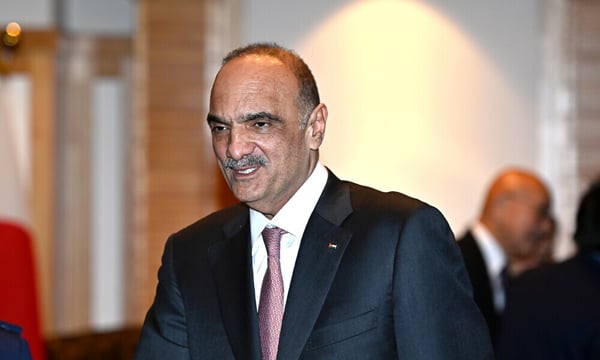
Jordan’s Prime Minister Bisher Khasawneh submitted his resignation to King Abdullah II on Sunday, following parliamentary elections dominated by public frustration over the Gaza war, State media reported.
The resignation is a constitutional tradition in Jordan, where the government typically steps down after legislative elections. The king appoints the prime minister, who will now form a new government.
Tuesday’s poll saw the Islamic Action Front (IAF), the country’s leading Islamist party, emerge as the largest bloc in parliament, winning 31 out of 138 seats. The IAF, a political offshoot of the Muslim Brotherhood, has secured its largest representation since 1989. Voter dissatisfaction with economic woes and Israel’s war against Hamas in Gaza drove the IAF’s success, despite a low turnout of 32%.
Jordan’s 1994 peace treaty with Israel has faced renewed scrutiny, with regular protests calling for its dissolution since the conflict erupted last Oc tober. Nearly half of Jordan’s population is of Palestinian origin, and the Gaza war has significantly impacted the country’s tourism sector, which accounts for 14% of its GDP.
Jordan relies heavily on foreign aid, particularly from the US and International Monetary Fund. The country faces significant economic challenges, with an unemployment rate of 21% in the first quarter of 2024. Khasawneh, 55, has led the government since October 2020. Jordan’s parliament is bicameral, comprising an elected parliament and a senate with 69 members appointed by the monarch.
The king will now appoint a new prime minister to form a government. The development comes at a critical time for Jordan, as it navigates regional tensions and domestic economic challenges. The appointment of a new government will be closely watched for its potential impact on the country’s future direction
Read Also
Democrats Unleash A New Era Of Sarcasm And Joy In Campaigning











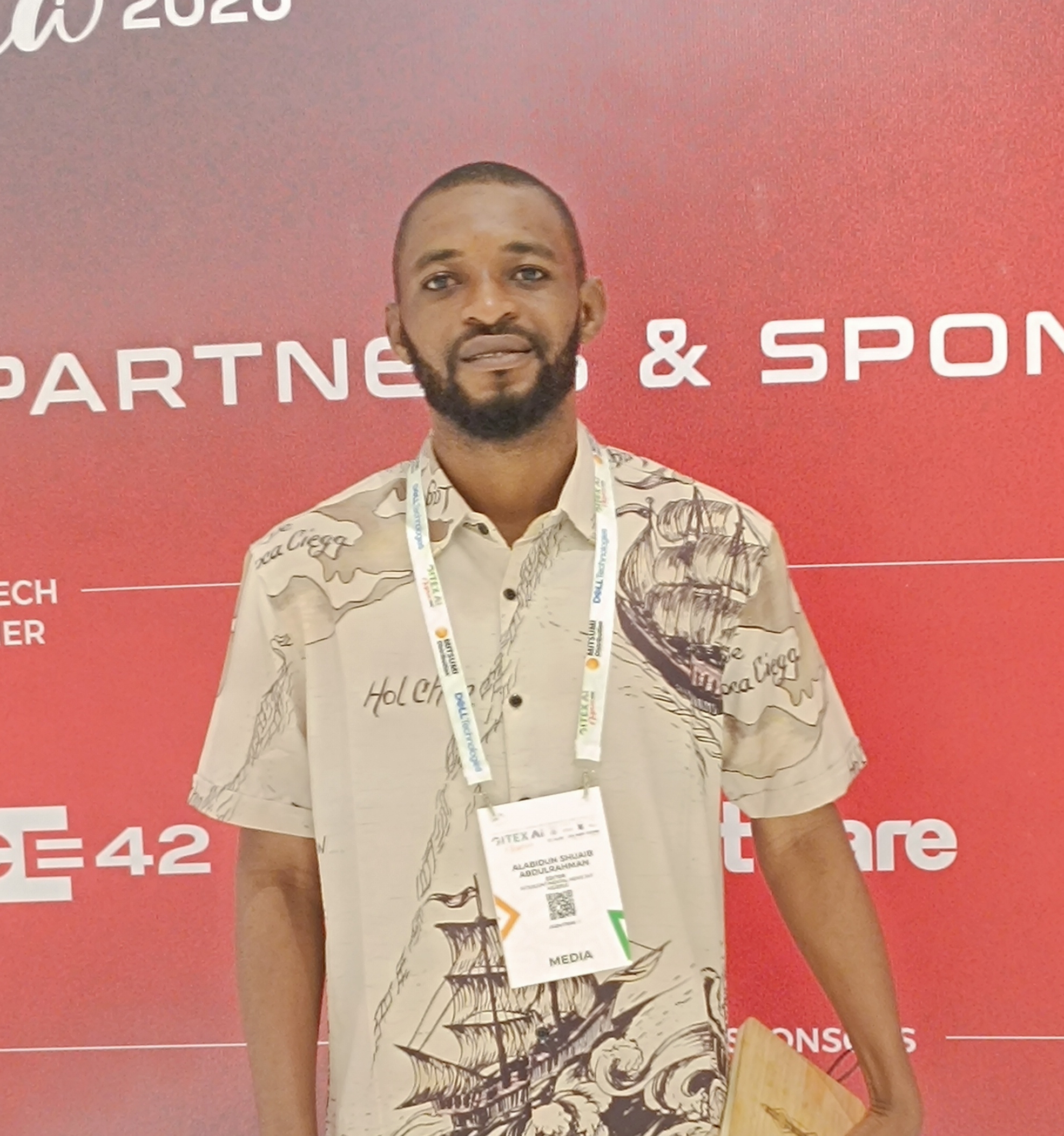
The Likes of Kila in Our Society, by Alabidun Shuaib AbdulRahman
There is something particularly troubling about a person who spends years telling society what is wrong with its leaders, questioning the integrity of public institutions, demanding transparency from those in authority and insisting that accountability is the bedrock of good governance, only to find himself confronted with questions about the very integrity he expects others to uphold. Such an act goes beyond personal embarrassment; it raises fundamental questions about the credibility of public intellectuals and the moral authority upon which their influence rests. The controversy surrounding Anthony Kila, a familiar voice in Nigeria’s public discourse, presents an uncomfortable but necessary question: can those who hold others accountable escape the same scrutiny they demand of everyone else?
In a country where public trust has suffered repeated injuries from political deception, institutional failures and the abuse of public office, the distinction between what a person preaches and what he practises matters enormously. Society needs people who can interrogate power without fear, challenge dishonesty without compromise and insist that public officials answer for their actions. But what happens when one of the voices making these demands becomes the subject of serious questions about his own credentials? What becomes of the argument for accountability when the advocate must himself account for the foundation of his public identity?
The investigations published by PREMIUM TIMES on October 3 and October 10, 2026, concerning Kila’s professorial title and claimed academic qualifications, have brought these questions into sharp focus. The first report found no evidence that a recognised academic institution had awarded him the professorial rank he had publicly used for years. The subsequent investigation questioned his claimed bachelor’s, master’s, doctoral and other qualifications, reporting discrepancies between his claims and information obtained from institutions he said he attended. Even though Kila has rejected the description of him as a fake professor, he maintained that he stands by his credentials and said he was gathering his academic and professional documents. These are serious allegations, and the appropriate investigations must be allowed to establish the facts. Nevertheless, the questions raised cannot be dismissed simply because they concern a familiar media personality rather than an elected politician.
What makes this controversy especially troubling is not merely the title at its centre but the public expectations attached to it. Kila has built a recognisable presence as a political analyst, public commentator and advocate of institutional accountability. His opinions have travelled through television studios, newspaper columns and public discussions. He has been part of the conversation through which Nigerians examine governance, leadership and the direction of their country. That influence should not be casually discounted, and neither should his intellectual contributions be retrospectively declared worthless because of the present controversy. The more important question is why a person with such visibility and the apparent ability to engage complex public issues would allow his professional identity to become entangled in claims that he must now struggle to substantiate.
There is a difference between possessing knowledge and possessing a certificate. There is also a difference between being intellectually capable and being entitled to an academic rank. A person may read widely, understand political economy, analyse public policy and contribute meaningfully to national debate without holding a doctorate or occupying a university professorship. Society has produced remarkable thinkers whose authority emerged from their work, experience and ability to explain difficult questions, not from the titles preceding their names. If Kila possesses the intellectual capacity that many of his admirers have attributed to him, why would any title beyond his demonstrable achievements be necessary to establish his worth?
In a society obsessed with titles, the temptation to embellish one’s credentials can become powerful. Professor, doctor, chief executive, consultant and international expert have become more than descriptions of professional standing. They are often treated as shortcuts to respect, invitations to television programmes, access to influential circles and opportunities to shape public decisions. The title can become more important than the substance of the person carrying it. Once society begins to reward appearances more generously than competence, those who understand the system may be tempted to manufacture the appearance rather than patiently establish the substance.
Yet the appetite for titles does not excuse the person who misrepresents his qualifications, if the allegations are established. It exposes both the individual and the society that makes such misrepresentation attractive. A genuine academic distinction is earned through recognised institutional processes, scholarship, teaching, research and assessment. It is not created by repeatedly describing oneself in a particular way, nor does public familiarity transform an unverified claim into an established fact. The title of professor carries an institutional meaning that cannot be replaced by personal conviction or public popularity.
On October 6, 2026, Michael and Cecilia Ibru University in Agbarha-Otor, Delta State, asked Kila to step aside from his responsibilities as pro-chancellor pending an investigation into questions surrounding his professorial status. The Independent Corrupt Practices and Other Related Offences Commission also constituted a team to investigate the allegations. These developments demonstrate that the controversy has moved beyond social media arguments and personal reputations to questions about institutional responsibility. A university governing council is not an ornamental gathering. It exercises authority over administration, policy, finances and other important aspects of institutional governance. Anyone occupying such a position must be able to satisfy legitimate questions about qualifications presented in support of his public standing.
The implications extend beyond Kila because if a university can place a person in a position of considerable responsibility without adequately verifying the credentials associated with his public profile, what does that say about its recruitment and governance procedures? If television stations repeatedly introduce a commentator as a professor without independently establishing the basis of that designation, what does that say about editorial diligence? And if the public accepts titles as evidence of expertise without asking who conferred them, the institution that awarded them or the work supporting them, are we not collectively encouraging the culture we later condemn?
Also, ARISE News has announced on October 13, 2026, that Kila would no longer appear on its platforms following the allegations and its unsuccessful attempt to obtain his response within the period it specified. The action might be said to be an afterthought. The platform should have diligently do background checks on him before making him the face and the voice of his flagship show. Suspending him after the the expose is reactional.
There is, however, a wider moral problem in the conduct of people who demand from others standards they appear unwilling to apply to themselves. The politician who condemns corruption but manipulates public resources, the activist who preaches transparency but conceals his own dealings, the journalist who demands truth but publishes unverified allegations, and the public intellectual who questions the credentials of others while leaving his own claims unexplained all participate in the same culture of contradiction. Their positions differ, but the underlying failure is identical. They want the moral authority of accountability without accepting its personal obligations.
Such people can become particularly influential because they understand the language of public morality. They know how to identify institutional weaknesses, explain the consequences of poor governance and present themselves as alternatives to a compromised establishment. Their arguments may even be correct. But correctness on one issue does not automatically confer integrity in every other aspect of life. A person can make an excellent argument about corruption and still face legitimate questions about personal conduct. Intellectual brilliance is not a permanent certificate of moral innocence.
This is why the Kila controversy must not be reduced to an opportunity for mockery. Nigerians should resist the temptation to turn an unfolding investigation into a spectacle of humiliation. The objective is not to destroy a man because questions have arisen about his academic standing. It is to establish the truth, protect institutions from misrepresentation and reaffirm the principle that no individual should stand above scrutiny. If the claims against him are substantiated, appropriate consequences should follow. If he produces verifiable evidence that resolves the disputed issues, that evidence should receive fair consideration. Neither public anger nor personal admiration should determine the outcome.
What Kila could have demonstrated, and can still demonstrate through a credible response, is that accountability begins with oneself. His explanation must address the specific questions raised by the investigations, including the institution said to have conferred his professorship and the academic qualifications now being questioned. General assurances about his professional standing cannot substitute for documents that independent institutions can authenticate. Equally, any institution that endorsed his credentials must explain the basis of its decision.
The irony is that Kila did not need to become a professor to contribute to Nigeria’s public conversation. He did not need an impressive collection of degrees to develop an informed opinion about governance. His ability to communicate, analyse policies and participate in public debate could have been judged on its merits. A society hungry for credible voices should be capable of accepting an intelligent commentator without insisting that he carry an academic title. By contrast, where an individual presents credentials that cannot withstand verification, the damage reaches beyond personal reputation to the credibility of legitimate scholars whose achievements were earned through recognised institutions and years of work.
The likes of Kila in our society remind us that the fight against dishonesty cannot succeed through eloquent speeches alone. It requires personal consistency, institutional discipline and the willingness to submit one’s own claims to the standards applied to everyone else. Those who demand transparency must be transparent. Those who insist on accountability must be accountable. And those who advise society on integrity must understand that their conduct is not exempt from examination simply because their arguments sound convincing.
Perhaps the most important lesson is that being real is not a weakness. A person who honestly presents his qualifications, acknowledges his limitations and allows his work to speak for him can still earn public respect. There is dignity in being knowledgeable without claiming an unearned distinction, just as there is honour in admitting an error and correcting it. The public may forgive human shortcomings more readily than deliberate attempts to mislead it, because honesty gives people something upon which trust can be rebuilt.
Nigeria does not lack people who can speak impressively about good governance. What it lacks, too often, is consistency between public declarations and private conduct. The country needs fewer performances of integrity and more demonstrable integrity itself. Until we learn to judge public figures by the relationship between their words, credentials and actions, we will continue to celebrate the language of accountability while struggling to establish its practice.
The question, therefore, is not whether Anthony Kila can still contribute to society. He can, provided his contributions are judged on their merits and the questions surrounding his credentials are addressed honestly. The question is whether he, and others who occupy similar positions of influence, understand that credibility cannot be demanded from the public while verification is treated as an inconvenience.
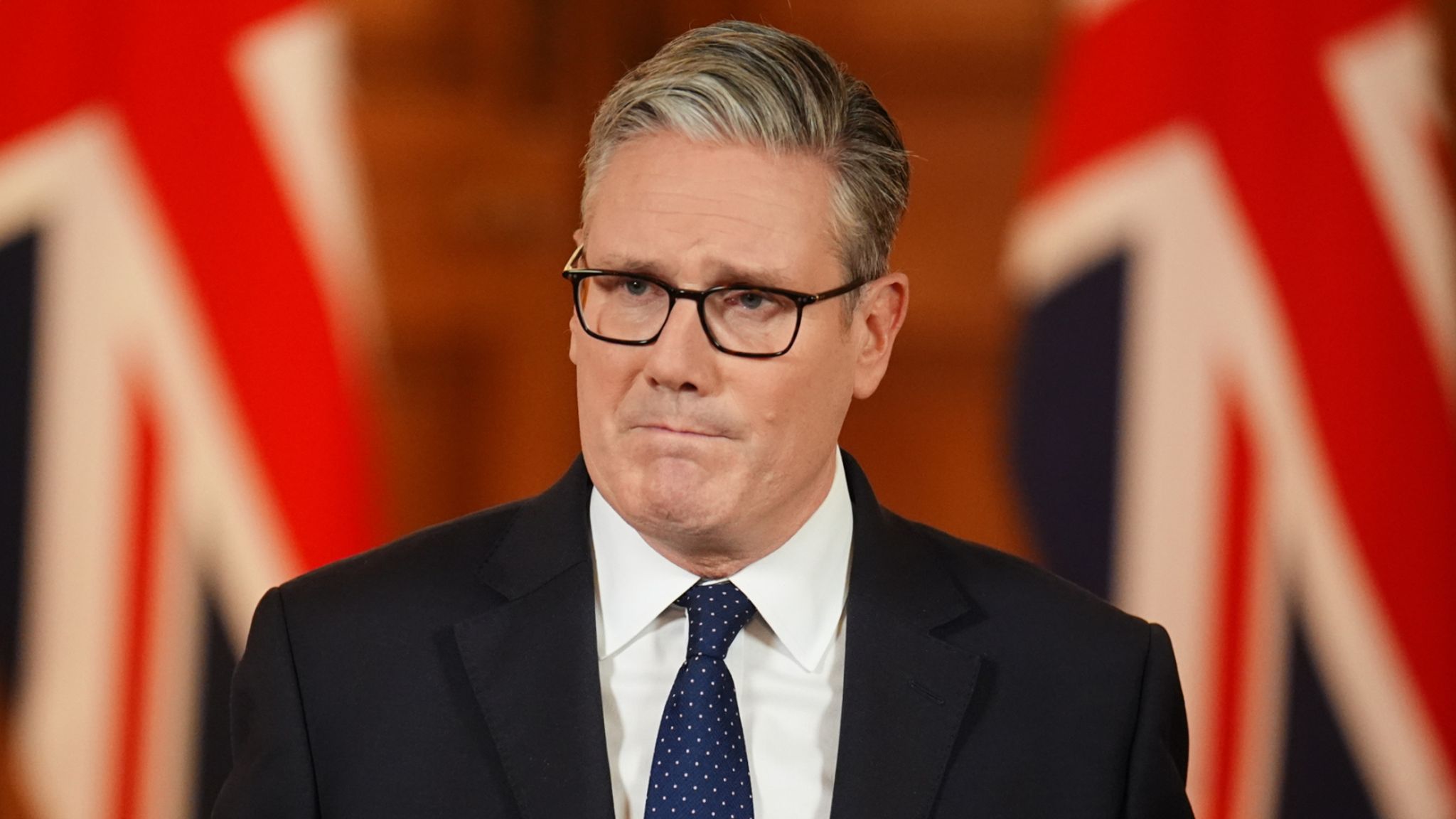
Britain restricts Eritrean diplomats, threatens entry ban
The United Kingdom has threatened to impose a blanket entry ban on Eritrean nationals if the East African country fails to cooperate with efforts to return migrants who have no legal right to remain in Britain and foreign nationals convicted of crimes.
The UK Home Secretary, Shabana Mahmood, announced the proposed measures amid growing tensions between both countries over migration and the repatriation of Eritrean nationals.
From Thursday, Eritrean diplomats will face restrictions on their movements outside London, while fast-track visa arrangements for senior officials will be suspended.
Mahmood warned that the British government could introduce further restrictions if Eritrean authorities continued to reject its requests for cooperation.
“Eritrea has had every chance to accept the return of criminals and those with no right to be in the UK. Unlike other countries, it has refused,” she said.
She added that she would not hesitate “to impose further measures on other countries refusing to co-operate”.
The British government accused Eritrea of abruptly withdrawing cooperation earlier this year, making it difficult to return nationals who had been denied permission to remain in the UK.
However, Eritrea’s government rejected the allegations, describing the restrictions as a “perfunctory political gimmick”.
The Eritrean embassy in London also accused Britain of failing to engage in meaningful dialogue and alleged that British authorities had not properly disclosed cases involving nationals who were returned while still serving prison sentences.
It further disputed Britain’s description of some returns as voluntary, arguing that the circumstances did not support that characterisation.
A UK Home Office spokesperson dismissed the criticism, saying Eritrea’s comments misrepresented the British government’s position.
The Home Office also said Britain had granted an exemption from immigration control to an Eritrean official in August 2026, disputing claims that no Eritrean official had received such an exemption since 2023.
The proposed restrictions come as Eritreans account for a significant proportion of migrants arriving in Britain through irregular Channel crossings.
Figures from the House of Commons Library show that Eritreans represented 18 per cent of small-boat arrivals in the 12 months to June.
Home Office data indicated that more than 5,800 Eritreans arrived in Britain through small boats during the same period, while approximately 1,300 were granted visas, mostly to join relatives already living in the country.
Only seven Eritrean nationals were returned directly to Eritrea from Britain during the 12 months to June, while another 244 were returned to other countries.
The figures have raised questions about the likely effectiveness of the proposed restrictions in reducing irregular migration.
Dr Madeleine Sumption, director of the Migration Observatory at the University of Oxford, said targeting Eritrea could have limited impact because most Eritreans seeking asylum in Britain were likely to qualify for international protection.
She told BBC Radio 4’s Today programme that Eritrea accounted for approximately 7,000 asylum applications in the latest year of available data, representing about eight per cent of the total.
“Most Eritreans who come and claim asylum are not removable at all,” she said, adding that about 84 per cent of applications were successful at the initial decision stage, with further applicants potentially succeeding on appeal.
Sumption said the number of people initially refused asylum would decline as appeals were considered.
Eritrea has faced longstanding international criticism over its human rights record, including allegations of forced labour, indefinite military conscription and restrictions on freedom of expression.
The country, which gained independence from Ethiopia in 1993, has never held a national election since independence and has no independent media.
Human Rights Watch has accused the government of widespread repression, while critics of President Isaias Afwerki have faced arrest and prolonged detention, often without trial.
Indefinite military service has also been cited as a major reason young Eritreans leave the country.
Zelenskyy seeks European support as Trump tensions deepen
Ukrainian President Volodymyr Zelenskyy has praised European leaders for their continued support for Kyiv as tensions with United States President Donald Trump threaten to complicate efforts to secure further assistance for Ukraine.
Zelenskyy made the remarks on Friday during a European summit in Brussels, where leaders were discussing support for Ukraine amid its continuing war with Russia.
“I’m so thankful that we have such huge support from EU Council Commission and leaders – real leaders,” he said, acknowledging Europe’s backing since Russia launched its full-scale invasion of Ukraine.
His comments came amid renewed concerns over Ukraine’s military communications following restrictions on SpaceX’s Starlink satellite service, which Ukrainian forces rely on for battlefield connectivity.
Ukraine’s First Deputy Minister for Recovery, Infrastructure and Transport, Serhiy Derkach, warned that restrictions on the service could create additional difficulties for the country’s defence efforts.
“With U.S. limiting the use of Starlinks on the battlefield, Russia feels that this is their moment to try and inflict even more pain and suffering on Ukraine’s civilian infrastructure,” Derkach told CNBC on Friday.
He added that Ukraine was approaching what could be a particularly difficult period and needed support from its international partners.
The development comes as Zelenskyy reportedly faces pressure from some European officials to moderate his public criticism of Trump in order to preserve cooperation with Washington.
Three officials familiar with preparations for the Brussels summit told the Financial Times that they planned to privately urge the Ukrainian president to tone down his rhetoric during their meeting.
Politico also reported concerns among some European leaders about Zelenskyy’s handling of his strained relationship with the US president.
One European Union diplomat was quoted as describing the Ukrainian leader’s public criticism of Trump as “not helpful”.
Despite the tensions, Zelenskyy insisted that Ukraine remained committed to ending the war but said there were no indications that Russia was ready to do the same.
“We want to end this war as quick as possible. We don’t see now signals from Russia side that they are ready for this to end this war,” he told reporters in Brussels.
The Ukrainian president’s comments followed his criticism of Russia over its alleged failure to respect an energy ceasefire announced by Trump.
Trump had announced the proposed arrangement the previous week, saying Russia and Ukraine had agreed to stop attacking each other’s energy infrastructure.
The initiative was presented as an attempt to reduce attacks on critical infrastructure and ease pressure on energy markets ahead of the US midterm elections in November.
Zelenskyy subsequently said Ukraine had refrained from striking Russian energy targets for three days in response to Washington’s proposal.
However, he described the arrangement concerning Russia’s energy-related commitments as weak.
Moscow has not confirmed that it agreed to an energy ceasefire, saying only that discussions were ongoing.
Russian authorities had not responded to multiple requests for comment from CNBC at the time of the report.
The dispute highlights the challenges facing diplomatic efforts to reduce hostilities, particularly as Ukraine continues to depend on Western military, financial and technological assistance.
European governments have maintained support for Kyiv, but concerns over the relationship between Zelenskyy and Trump have raised questions about how differences between Ukraine and its most influential partners could affect the wider war effort.


The Likes of Kila in Our Society, by Alabidun Shuaib AbdulRahman

CARICOM, Türkiye explore cooperation in trade, energy, food security

Britain restricts Eritrean diplomats, threatens entry ban

Pastor Jerry Eze Defends Miracles At UK Conference Amidst Criticism And Controversy

Diaspora Watch 20th Edition (October 14-20, 2024): Your Trusted Source for Global News and Insights

Tanzanian Man Reportedly Dies And Returns To Life Six Times


-

 Analysis3 days ago
France in Crisis: Anger and Unrest Shake the Nation
-
 Analysis1 week ago
Africa’s Resources Must Build Africa, by Alabidun Shuaib AbdulRahman
-
 News7 days ago
Trump’s fuel price cuts face hurdles ahead of midterm elections
-
 Diplomacy7 days ago
UK, Germany ratify defence treaty amid Russian threat
-
 News7 days ago
CARICOM assesses regional capacity to produce four key products
-
 News7 days ago
Trump Rules Out Iran Deal as US Weighs Fresh Military Strikes