
Tech
Popular GameStop Magazine Game Informer Ends After 33 Years, Abruptly Lays Off Staf


Game Informer, the longest-running American gaming magazine, announced its closure on Friday after 33 years of publication. The GameStop-owned magazine thanked its audience for decades of support in a farewell post titled “The Final Level.”
“From the early days of pixelated adventures to today’s immersive virtual reality realms, we’ve been honored to share this incredible journey with you, our loyal readers,” the post reads. “While our presses may stop, the passion for gaming that we’ve cultivated together will continue to live on. Thank you for being part of our epic quest, and may your own gaming adventures never end.”
The magazine’s content director, Kyle Hilliard, revealed that the entire Game Informer staff was laid off without prior warning, just as they were finishing work on the next issue. The gaming community is mourning the loss of the iconic magazine, which published its final issue in June, dedicated to the game “Dragon Age: The Veilguard.”
Founded in 1991, Game Informer grew to become the third-largest magazine in the U.S. by 2011, thanks in part to a boost from GameStop’s PowerUp Rewards membership program. Over its 33-year run, the magazine delivered 367 issues, offering news, reviews, and insights from the ever-evolving world of gaming


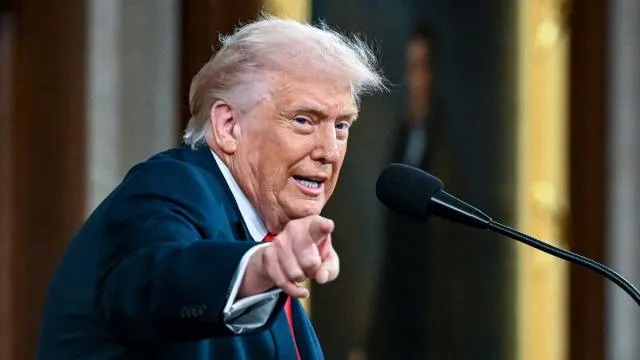
Trump Announces Intel-Apple Chip Deal
United States President, Donald Trump, has announced that chipmaker Intel has struck a deal with Apple to begin producing computer chips within the United States, in a move aimed at strengthening domestic semiconductor manufacturing and reducing reliance on overseas supply chains.
Trump disclosed the development on Thursday via his Truth Social platform, stating that the decision aligns with his administration’s push to expand American chip design and production capacity.
“I decided to help Intel because we need to design and build our Chips right here in America,” he wrote.
Following the announcement, Intel shares surged by more than nine per cent in premarket trading, reflecting investor optimism over the potential scale of the partnership. The company, however, declined to comment on the reported deal.
The agreement is expected to support Apple’s efforts to diversify its manufacturing base.
The company, headquartered in California, currently relies heavily on Taiwan for the production of processors used in its iPhones, iPads and Mac computers.
The development comes at a time when Apple Chief Executive Officer, Tim Cook, has warned that rising production costs—particularly for memory and storage chips driven by artificial intelligence demand—could make price increases unavoidable.
“We’re doing our best to mitigate the huge increases that are being passed to us… but the situation has become unsustainable,” Cook told the Wall Street Journal earlier this week.
The Trump administration had previously taken steps to strengthen Intel’s position in the global semiconductor industry, including an $8.9bn investment in the company’s stock last August, giving the US government an estimated 10 per cent stake.
The move formed part of broader efforts to boost domestic chip production and secure supply chains for advanced semiconductors, which Washington considers critical to national security and economic competitiveness.
In his social media post, Trump also reflected on the growth in Intel’s market valuation since the government investment, claiming the company’s value had risen significantly within months.
“They were worth around 100 Billion Dollars when we made our offer. Now they are worth over 600 BILLION DOLLARS!” he wrote, adding that the US stake was now worth more than $60bn.
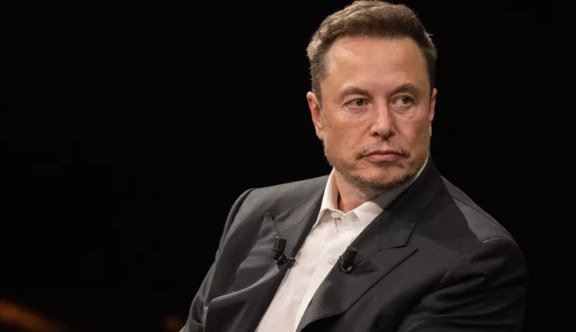
Elon Musk Becomes World’s First Trillionaire After SpaceX IPO Pricing
Tech billionaire Elon Musk has become the first individual in history to surpass a $1 trillion net worth, at least on paper, following the pricing of the much-anticipated initial public offering (IPO) of SpaceX.
The milestone was reached after SpaceX shares were priced at $135 each, a development that significantly boosted Musk’s estimated wealth beyond the trillion-dollar threshold, according to market valuations.
Before the IPO pricing, Musk’s net worth was estimated at about $813 billion, already making him the world’s richest individual by a wide margin.
Data from Forbes showed his fortune was more than double that of Google co-founder Larry Page, whose wealth is estimated at around $288 billion.
The SpaceX stock, expected to trade under the ticker symbol “SPCX,” is scheduled to begin trading on the Nasdaq Composite as markets open on Friday at 9:30 a.m.
The development highlights the expanding scale of global ultra-wealth, with a trillion dollars now comparable to the annual gross domestic product of several major economies.
World Bank data indicates that only 19 countries worldwide have economies exceeding $1 trillion, including the United States and the Netherlands.
The IPO is also expected to generate substantial wealth for early investors and employees of the company. Reports suggest that about 4,400 SpaceX staff could become millionaires once trading begins.
Despite this broader distribution of wealth, Musk remains the largest beneficiary due to his significant ownership stake in SpaceX, further cementing his position as one of the most influential figures in global technology and finance.

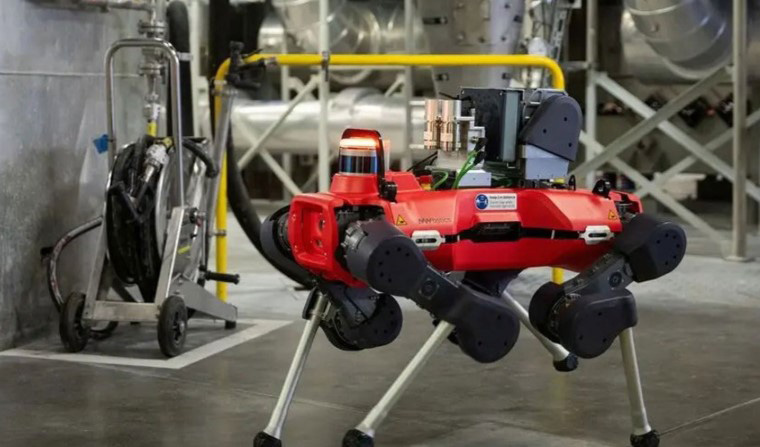
Artificial intelligence is steadily moving beyond software applications into the physical side of business operations, as companies in food production and logistics increasingly deploy data-driven systems to support real-time decision-making. The shift is evident in the latest strategy unveiled by The Hershey
Company during its Investor Day, where the firm outlined plans to embed AI across its operations, from sourcing analytics to plant automation and product fulfilment.
According to the company, the initiative will focus on improving how the business runs behind
the scenes, with AI guiding decisions on procurement and distribution to build “a faster, smarter
and more resilient supply chain powered by automation and AI-enabled decision making.”
Hershey noted that supply chains in the food and snack sector remain under constant pressure due to fluctuating costs, seasonal demand, and retailer expectations for timely and accurate deliveries.
To address these challenges, the company said its digital planning tools would integrate various aspects of the business, helping to reduce waste, optimize inventory levels, and improve service delivery through better data connectivity across the supply chain. Central to the strategy is what Hershey described as “AI-enabled decision-making,” which seeks to link sourcing and delivery systems more closely while deploying automated fulfilment technologies to improve speed to market and handle customized product assortments.
The company also disclosed plans to expand automation within its manufacturing plants, using AI to enhance efficiency and embed intelligence directly into production systems rather than treating it as a separate analytical tool. Industry analysts say the approach reflects a broader trend in which firms are moving from limited AI pilot projects to full-scale integration across core business functions, particularly in sectors reliant on physical goods.
Food manufacturers, including Hershey, continue to grapple with volatile input costs for commodities such as cocoa and sugar, which are influenced by weather conditions, trade dynamics, and supply disruptions, making responsive and data-driven systems increasingly critical. Chief Executive Officer Kirk Tanner said the company’s direction is anchored on growth and execution, noting that the strategy positions Hershey to respond faster to market changes while strengthening operational performance.


The Likes of Kila in Our Society, by Alabidun Shuaib AbdulRahman

CARICOM, Türkiye explore cooperation in trade, energy, food security

Britain restricts Eritrean diplomats, threatens entry ban

Pastor Jerry Eze Defends Miracles At UK Conference Amidst Criticism And Controversy

Diaspora Watch 20th Edition (October 14-20, 2024): Your Trusted Source for Global News and Insights

Tanzanian Man Reportedly Dies And Returns To Life Six Times


-
 Analysis5 days ago
Africa’s Resources Must Build Africa, by Alabidun Shuaib AbdulRahman
-
 News4 days ago
Trump’s fuel price cuts face hurdles ahead of midterm elections
-

 Diplomacy4 days ago
UK, Germany ratify defence treaty amid Russian threat
-
 News4 days ago
CARICOM assesses regional capacity to produce four key products
-
 News4 days ago
Trump Rules Out Iran Deal as US Weighs Fresh Military Strikes
-

 News5 days ago
Riyadh Airport Attacks Threaten Oil, Global Trade