
News
Tensions Rise Between Ethiopia and Eritrea as Red Sea Dispute Escalates

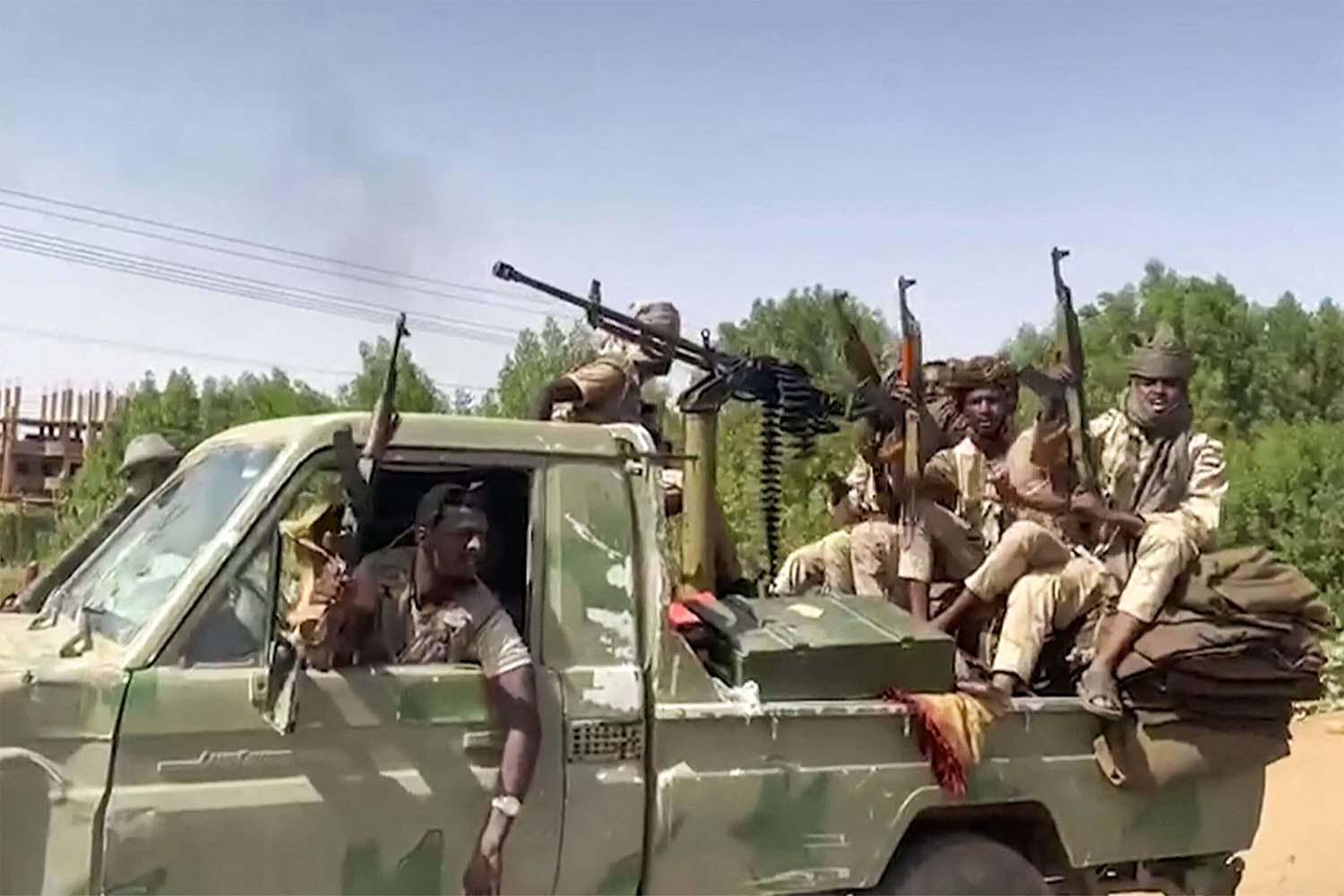
Tensions Rise Between Ethiopia and Eritrea as Red Sea Dispute Escalates
Concerns are mounting over the possibility of renewed armed conflict between Horn of Africa neighbours, Ethiopia and Eritrea, following weeks of hostile rhetoric and aggressive statements over access to the Red Sea.
The latest dispute centres on Ethiopia’s longstanding demand for access to the Red Sea, which it lost when Eritrea seceded in 1993.
The landlocked nation has repeatedly described access to the sea as a matter of national survival, prompting sharp rebuttals from Eritrea.
Ethiopian Prime Minister Abiy Ahmed has been vocal about the issue, first declaring in 2023 that regaining access to the sea was existential for his country.
Ethiopia’s army chief, Field Marshal Birhanu Jula, and other senior officials have gone further, claiming ownership of Eritrea’s southern port of Assab and hinting at the possibility of using force to reclaim it.
On 1 September, Abiy warned that Ethiopia would “correct” the historical loss of its Red Sea access.
Ethiopian Ambassador to Kenya, retired Gen Bacha Debele, described Assab as “Ethiopia’s wealth” and asserted that it would be returned “by force” if necessary.
Field Marshal Birhanu Jula echoed similar sentiments, questioning how the interests of two million Eritreans could outweigh the needs of Ethiopia’s 130 million citizens.
Eritrea, for its part, has issued terse warnings. Information Minister Yemane Gebremeskel described Ethiopia’s claims as a “dangerous” and “toxic agenda of irredentism,” while the Eritrean army cautioned that any attempt to cross the “red line” could plunge Ethiopia into an inescapable crisis.
Despite the heated rhetoric, there have been no reports of major troop movements along the border.
Ethiopia has, however, showcased its military preparedness through graduation ceremonies of thousands of cadets and the promotion of senior officers.
The country has also displayed newly acquired weapons, including tanks, artillery, and armoured vehicles. Eritrea, which maintains mandatory national service, has kept a low public profile regarding its military activities.
Media coverage in both countries has reflected their governments’ positions.
Ethiopian state media have amplified claims of an “unjust loss” of Red Sea ports, while Eritrean state media have accused Ethiopia of attempting to revive issues settled decades ago.
Foreign-based Eritrean outlets have also urged citizens to set aside political differences to defend the country.
The roots of the tension date back over a century. Eritrea was colonised by Italy in 1890, later administered by Britain, and eventually federated with Ethiopia.
When Ethiopia fully annexed Eritrea in 1962, a three-decade civil war ensued, culminating in Eritrean independence in 1993.
Border disputes led to war in 1998, which officially ended with a peace agreement in 2000, though hostilities lingered.
A brief period of reconciliation followed in 2018, when Abiy and Eritrean President Isaias Afwerki declared the war over, earning Abiy the Nobel Peace Prize.

CARICOM pushes unified response to global shifts, backs Guyana’s COP35 bid
The Caribbean Community, CARICOM has called for urgent and coordinated action to confront mounting global uncertainties, as it concluded its 50th Regular Meeting of the Conference of Heads of Government in Basseterre, Basseterre, St Kitts and Nevis.
The four-day summit, held from February 24 to 27 under the chairmanship of St Kitts and Nevis Prime Minister, Dr Terrance Drew, brought together regional leaders to deliberate on security, economic integration, external trade, reparations and the situation in Haiti.
In her opening remarks, CARICOM Secretary-General, Dr Carla Barnett, urged member states to take advantage of opportunities presented by the shifting global order.
She said as new markets emerge and strategic alliances are recalibrated, the Region must engage with clarity and cohesion in areas such as energy transition, digital infrastructure, climate resilience and technology to attract investments aligned with its development priorities.
Outgoing Chairman and Jamaica’s Prime Minister, Andrew Holness, said the speed of global change was outpacing regional coordination, warning that climate shocks, criminal networks and technological disruption were evolving faster than existing policy and regulatory frameworks.
“The question before us is not whether CARICOM can endure, but whether it can deliver for our people with urgency and relevance in a rapidly changing world,” he said.
President of Suriname, Jennifer Geerlings-Simons, and Prime Minister of Trinidad and Tobago, Kamla Persad-Bissessar, also stressed the need for regional unity, describing it as a necessity in the face of economic volatility, climate insecurity and geopolitical shifts.
During the meeting, Heads of Government held discussions with the United States Secretary of State, Marco Rubio, and agreed on the need to establish a 21st-century cooperation framework covering migration, security cooperation, trade and investment, disaster recovery and technical assistance.
Leaders noted that the US remains a valued partner and welcomed Washington’s commitment to reinvigorate traditional ties within the Western Hemisphere.
The Conference also engaged Saudi Arabia and the United Arab Emirates on expanded economic collaboration, including structured mechanisms to unlock opportunities in the digital economy, climate resilience, water security and infrastructure development.
In a major financial boost, Afreximbank announced an increase in its global limit for CARICOM initiatives from $3bn to $5bn, as the Region seeks to strengthen economic ties with Africa and expand trade and investment flows.
On Haiti, the Conference reaffirmed its commitment to supporting stability and free and fair elections, and expressed appreciation to Kenya for leading the Multinational Security Support mission, now transitioned to a Gang Suppression Force authorised by the United Nations Security Council.
The Bahamas and Jamaica were also commended for contributing personnel and operational support.
Heads of Government reiterated their steadfast backing for the sovereignty and territorial integrity of Belize and Guyana in border matters before the International Court of Justice, calling on all parties to respect and implement the court’s decisions when delivered.
On regional security, leaders welcomed progress on model legislation for criminal justice reform and the offer by the United Nations Development Programme to support the expansion of a Police Record Management Information System across member states.
On economic integration, the Conference approved the inclusion of additional professions under the free movement of skilled nationals within the CARICOM Single Market and Economy and adopted amendments to the Revised Treaty of Chaguaramas to streamline Rules of Origin adjustments.
Heads of Government also approved a CARICOM Industrial Policy and Strategy Framework aimed at fostering competitive and sustainable industries across the Region.
In a significant climate development, the Conference agreed to support Guyana’s bid to host COP35 in 2030.
The leaders expressed appreciation to the Government and people of St Kitts and Nevis for hosting the landmark 50th meeting and accepted Saint Lucia’s invitation to host the 51st Regular Meeting from July 5 to 8, 2026.
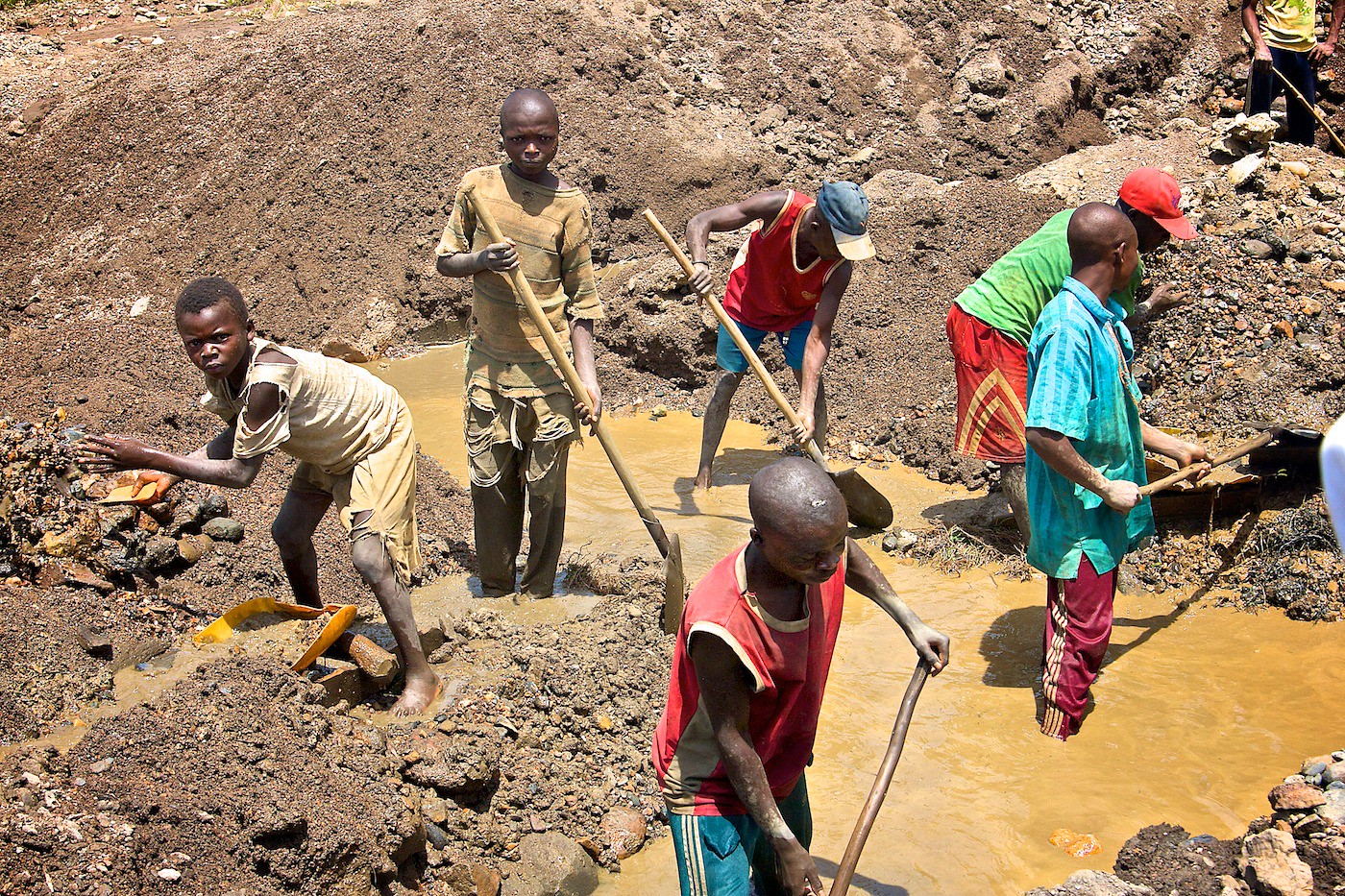
Over 200 Killed in DR Congo Coltan Mine Landslide
More than 200 people, including 70 children, have died following a landslide at a coltan mining site in Rubaya, eastern Democratic Republic of Congo, the government said on Wednesday.
The tragedy struck on Tuesday after heavy rains in the rebel-controlled area, with authorities blaming the M23 rebels for allowing unsafe, illegal mining.
Rescue operations were hampered by dangerous conditions, officials added.
Rubaya, the country’s largest source of coltan, holds about 15% of the world’s supply of the mineral used in electronics. Many injured miners have been evacuated to hospitals in Goma.
The toll could not be independently verified due to restricted access, disrupted communications, and ongoing insecurity in the region.

Ethiopia Launches First ‘Smart’ Police Station in Addis Ababa
Ethiopia has opened its first “smart” or unmanned police station in Bole, a pilot project aimed at modernising law enforcement and expanding access to citizens.
Inside the new station, visitors report crimes, traffic incidents, or general concerns via computer tablets.
A remote officer responds in real time, reducing the need for face-to-face interaction.
Commander Demissie Yilma, head of the police technology expansion department, said the system is still in its early stages, with just three reports logged in its first week. “The future police service should be near the citizens,” he noted.
The station forms part of the government’s broader Digital Ethiopia 2030 strategy, which seeks to digitise public services including identity systems, payments, and court processes.
Experts say while digital reforms could boost efficiency and convenience, challenges remain.
Internet access is still low, and older, rural, and low-income populations risk being excluded.
For now, the Bole station is a controlled pilot, with traditional police stations continuing to serve most of the population. Expansion will depend on citizen adoption and digital literacy levels.


CARICOM pushes unified response to global shifts, backs Guyana’s COP35 bid

Nigeria’s Stakes in a Fractured Middle East, by Boniface Ihiasota

The United States, Israel and the Iran Question, by Alabidun Shuaib AbdulRahman

Pastor Jerry Eze Defends Miracles At UK Conference Amidst Criticism And Controversy

Diaspora Watch 20th Edition (October 14-20, 2024): Your Trusted Source for Global News and Insights


