
News
Trump Administration Pushes Africa Deportation Deals


The United States has intensified its efforts to forge deportation deals with African countries, with South Sudan being the only country so far to accept third-country nationals deported from the US. Rwanda has also confirmed ongoing talks with the Trump administration about a potential agreement to host deported migrants.
Despite lacking clarity on the specifics of the deal, South Sudan accepted eight individuals with criminal convictions, only one of whom was a South Sudanese national.
Experts speculate that South Sudan’s decision might be aimed at currying favor with the Trump administration to avoid visa bans, sanctions, or other punitive measures.
Conversely, Nigeria’s Foreign Minister Yussuf Tuggar has categorically stated that the country will not accept third-country deportees, citing its own pressing problems.
Tuggar emphasized that Nigeria is not under any illusion about the potential benefits of such a deal.
Rwanda’s foreign minister revealed that talks are underway with the US about hosting deported migrants.
However, human rights groups have long criticized Rwanda’s human rights record, particularly regarding the deaths of perceived government critics in custody.
Analysts suggest that some African countries might be motivated to participate in US deportation programs to maintain favorable relations with the US, particularly in light of recent tariff impositions and aid cuts.
Beverly Ochieng, an analyst at Control Risks, notes that countries may prioritize avoiding losses in access to the US economy and bilateral relations.
Lawyers and advocates have expressed concerns about the uncertainty surrounding the legal status and safety of migrants deported to third countries.
Michelle Mittelstadt, a spokesperson for the Migration Policy Institute, highlights the confusion over who controls these individuals once deported.
The Trump administration’s push for deportation deals with African countries marks a significant shift in US policy towards the continent.
During a recent summit with West African leaders, Trump discussed migration and the need for countries to accept their nationals who do not have the right to stay in the US, as well as the possibility of accepting deported nationals of third countries.
Liberian President Joseph Boakai and Guinea Bissau President Umaro Sissoco Embaló confirmed discussions on third-country nationals during the summit but stated that Trump did not directly ask them to accept deportees.
Other West African governments have remained silent on the matter.
As the US continues to push for deportation deals globally, African countries are weighing their options, balancing potential benefits against human rights concerns and the welfare of deported migrants.











Spain battles political fallout as 60,000 migrants overwhelm Ceuta border
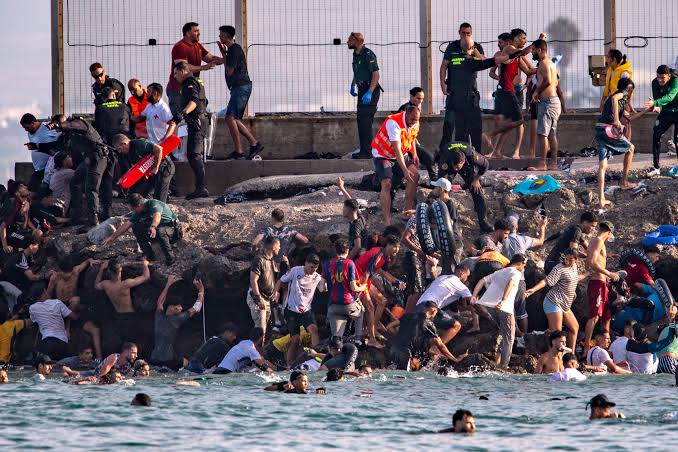
Spain is facing mounting political pressure after an estimated 60,000 migrants crossed from Morocco into the Spanish enclave of Ceuta within 24 hours, triggering one of the country’s worst border crises in recent years.
The unprecedented influx overwhelmed local infrastructure, forced businesses to shut down and disrupted daily life in the North African territory.
Spanish Prime Minister Pedro Sánchez condemned the mass crossing, describing it as “a violation of Spain’s territorial integrity,” as security forces reinforced the border.
Residents expressed frustration over the scale of the influx, saying the territory lacked the resources to cope with such a large number of arrivals.
Although thousands of migrants have reportedly returned voluntarily to Morocco, officials said shortages of food and essential supplies continued to affect the enclave.
The crisis has also reignited political debate across Europe over border security and migration policy, with some politicians calling for tougher controls along the European Union’s external frontiers.
The humanitarian toll also continued to rise, with officials confirming that at least 57 people died during the border surge.
Many of those who crossed into Ceuta said they were fleeing unemployment and economic hardship in Morocco in search of better opportunities in Europe.
Hamas agrees to disarm as Gaza withdrawal deal gains momentum
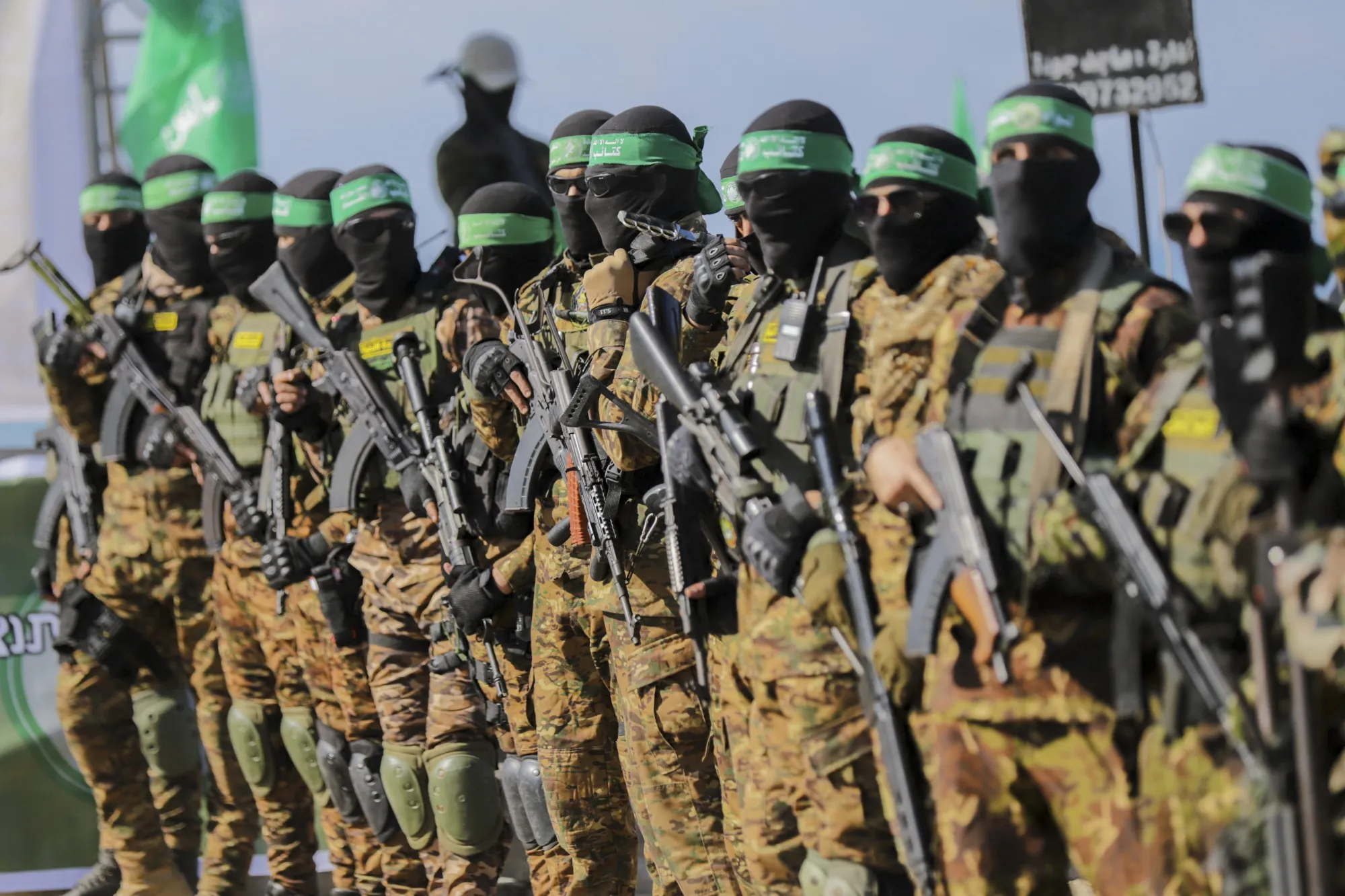
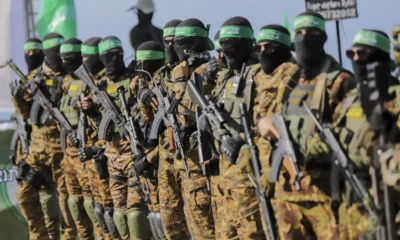
Hamas has agreed to surrender its weapons under a new internationally backed roadmap aimed at ending the war in Gaza, paving the way for a phased withdrawal of Israeli troops and reviving stalled ceasefire negotiations.
The proposed agreement, announced on Friday, marks a major political breakthrough after months of negotiations over Hamas’ future military role and Israel’s insistence on the group’s complete disarmament before any troop withdrawal.
United States President Donald Trump welcomed the development, describing it as a “major milestone” and saying the agreement provides for Hamas’ “complete disarmament.”
According to the roadmap, Hamas will hand over its weapons to the National Committee for Administration of Gaza, a new governing body expected to oversee civil administration and internal security in the territory.
The agreement also provides for a gradual Israeli military withdrawal, with both processes to be implemented simultaneously under international verification.
A member of Hamas’ negotiating team, Ghazi Hamad, said the movement accepted the arrangement “for the sake of our people in the Gaza Strip,” adding that the new governing committee—not Israel—would supervise the disarmament process.
The Board of Peace, which facilitated the negotiations, confirmed that Hamas had accepted a detailed implementation roadmap and said the governing committee would soon begin assuming authority in Gaza.
However, the deal has already exposed political divisions in Israel.
Far-right National Security Minister Itamar Ben Gvir rejected the proposal, describing it as “unacceptable” and warning that it could allow Hamas to regroup.
Although Israeli officials have yet to formally endorse the agreement, political sources maintained that Israel would only proceed with troop withdrawal if Hamas undergoes genuine and verifiable disarmament.
European Union foreign policy chief Kaja Kallas welcomed the agreement but cautioned that significant work remained before lasting peace could be achieved.
United Nations Secretary-General António Guterres also described the announcement as one of the few positive developments in the Middle East conflict in recent weeks.
Egypt is expected to host another round of talks involving the United States, Qatar and Turkey to finalise implementation of the ceasefire roadmap.
Despite the diplomatic breakthrough, violence has continued in Gaza, with local health officials reporting that fresh Israeli airstrikes killed at least four people, including two children, highlighting the fragile security situation.
CARICOM chair renews reparations demand
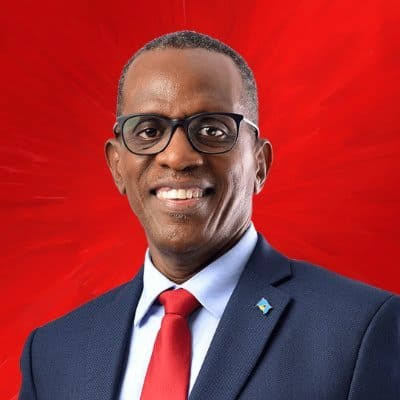
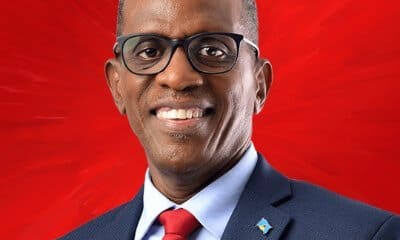
Chairman of the Caribbean Community, CARICOM and Prime Minister of Saint Lucia, Philip J. Pierre, has renewed the region’s call for reparatory justice, insisting that emancipation remains incomplete without economic freedom, opportunity and social justice.
In his Emancipation Day 2026 message, Pierre said freedom was won through the courage and sacrifice of enslaved Africans whose struggle laid the foundation for today’s Caribbean societies.
He noted, however, that the abolition of slavery did not end injustice, as formerly enslaved people entered freedom without land, wealth or compensation, while those who benefited from slavery prospered.
Pierre maintained that the Caribbean’s pursuit of reparations was not driven by revenge but by the search for truth and justice, describing it as part of the region’s unfinished journey towards genuine emancipation.
He urged Caribbean governments to create stronger economies by supporting entrepreneurship, agriculture, food security, clean energy and youth development, saying political independence must be matched with economic empowerment.
The CARICOM chairman also called on citizens across the region to honour their ancestors by building more united, prosperous and inclusive societies capable of securing lasting freedom for future generations.


EDITORIAL: Tackling Poverty in Africa

Spain battles political fallout as 60,000 migrants overwhelm Ceuta border

Hamas agrees to disarm as Gaza withdrawal deal gains momentum

Pastor Jerry Eze Defends Miracles At UK Conference Amidst Criticism And Controversy

Diaspora Watch 20th Edition (October 14-20, 2024): Your Trusted Source for Global News and Insights

Tanzanian Man Reportedly Dies And Returns To Life Six Times


-

 Milestone6 days ago
Nigerian bags HVAC Engineering degree in US, lands full-time job
-
 News6 days ago
CARICOM chair renews reparations demand
-

 Analysis6 days ago
Obasanjo, Atiku and the Burden of Broken Trust, by Alabidun Shuaib AbdulRahman
-

 Analysis6 days ago
Lessons from the Catholic Bishops’ Visit to Tinubu, by Boniface Ihiasota
-
 News6 days ago
Hamas agrees to disarm as Gaza withdrawal deal gains momentum
-
 Opinion6 days ago
EDITORIAL: Tackling Poverty in Africa