
News
US Denies War With Venezuela as Tensions Rise After Maduro’s Capture

US Denies War With Venezuela as Tensions Rise After Maduro’s Capture
The United States has insisted it is not at war with Venezuela, a day after US forces carried out strikes that led to the capture of Venezuelan President Nicolás Maduro and his wife, Cilia Flores, in an operation that has sharply escalated tensions between the two countries.
US Secretary of State, Marco Rubio, said on Sunday that Washington’s actions should not be interpreted as a declaration of war, stressing that the operation was “limited and targeted.”
His comments came amid international concern over the implications of the US military action and growing uncertainty over Venezuela’s political future.
According to a spokesperson, Maduro and Flores are expected to appear in a US court on Monday, following their arrest.
The charges they will face were not immediately disclosed, but US officials have previously accused Maduro’s government of corruption, drug trafficking and human rights abuses.
Venezuela’s Defence Minister, Vladimir Padrino, confirmed that the US operation resulted in significant casualties, claiming that a large part of Maduro’s security team was killed, alongside what he described as “innocent civilians.”
Padrino condemned the strikes as a violation of Venezuela’s sovereignty and accused Washington of using excessive force.
In Caracas, the Venezuelan government formally denounced what it called “military aggression” by the United States.
In a statement, the Venezuelan armed forces said they remain loyal to interim President Delcy Rodríguez, signaling that Maduro’s allies still retain control of key state institutions despite his capture.
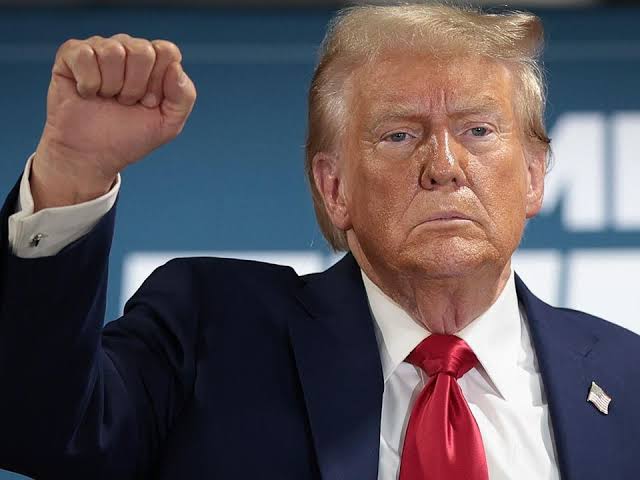
Trump, speaking in an interview with The Atlantic, warned that Rodríguez would “pay a big price” if she “does not do what is right,” a remark that has further inflamed tensions and raised fears of additional US pressure or sanctions.






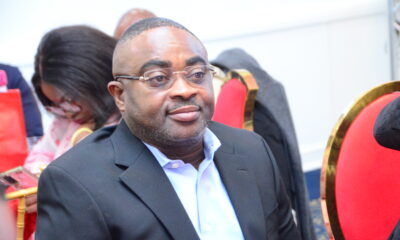
US Veteran, Walter Obi Urges Compassionate Leadership at Valentine’s Event in US
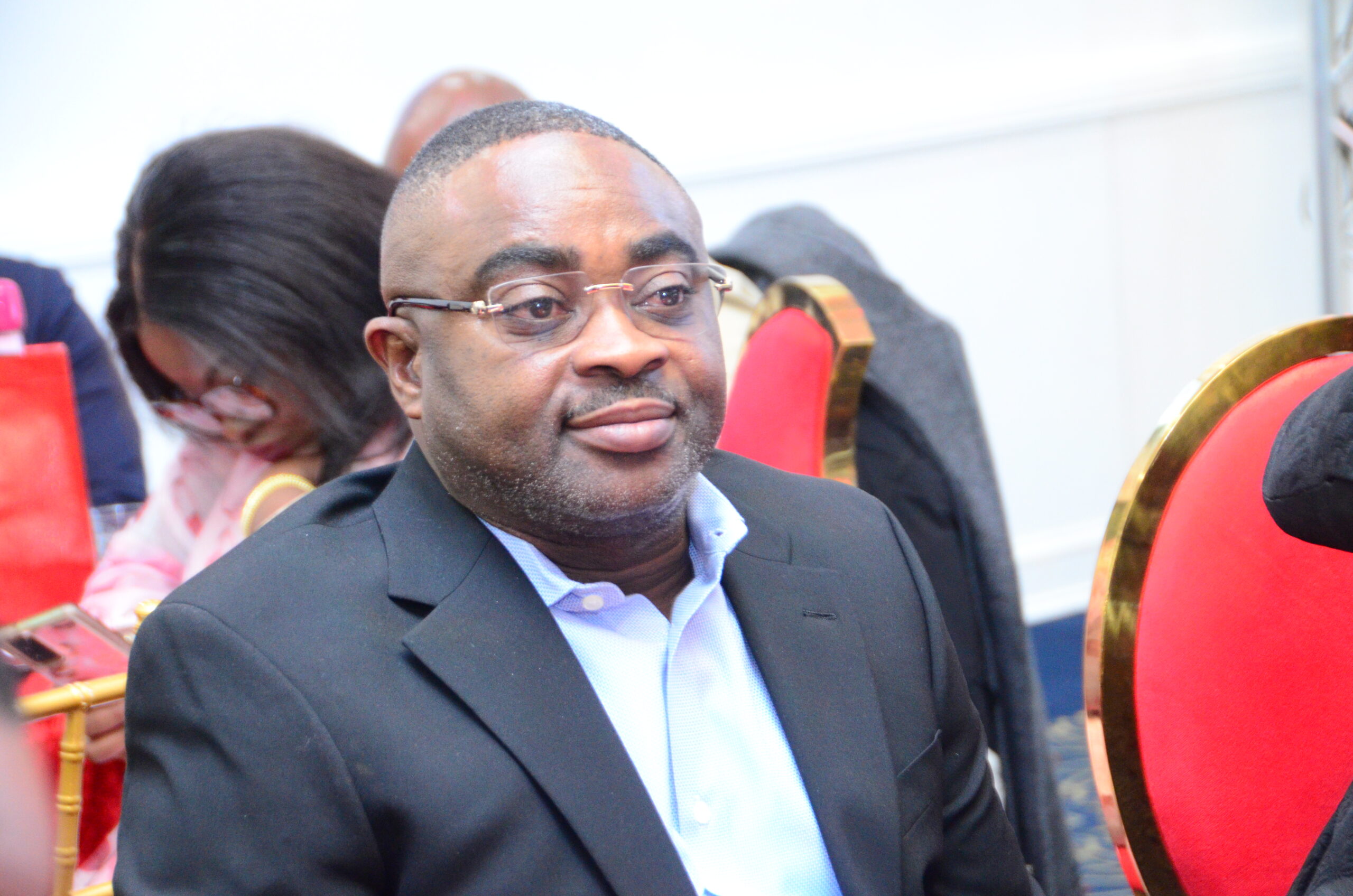
A United States Army veteran and entrepreneur, Walter Chinedu Obi, has called on Nigerian leaders to embrace compassion, justice and people-centred governance, saying love for citizens must transcend political rhetoric and reflect in concrete policies that uplift the vulnerable.
Obi, who was the Special Guest of Honour at the annual “Rhythm & Red Wine” Valentine’s Special held at Metro Points Hotel, New Carrollton, Maryland, made the call while speaking with Diaspora Watch Newspaper on the sidelines of the event.
He said the essence of leadership was service, stressing that governance must prioritise the welfare of ordinary citizens, especially the poor and marginalised.
“Our politics must rediscover its humanity. Leadership is a sacred trust. It is not about power for its own sake but about responsibility to the people,” he said.
Obi, a native of Akpu Village in Dunukofia Local Government Area of Anambra State, was born in Asaba, Delta State.
He reflected on his humble beginnings and how growing up in a poor family shaped his understanding of hardship and resilience.
“I understand what it means to struggle. I understand what it feels like to be overlooked. That is why I believe every decision taken by those in authority must consider the widow, the unemployed youth and families striving daily to survive,” he added.
The US war veteran, who served during the 2003 Second Gulf War, noted that discipline, integrity and accountability were non-negotiable values in nation-building.
According to him, Nigeria’s abundant human and natural resources can only translate into prosperity when leaders demonstrate sincerity of purpose and genuine concern for the people.
“Nigeria is not lacking in potential. What we need is consistent, people-focused leadership. Governance must protect the weak, create opportunities for the young and ensure fairness for all,” he said.
Obi, who is the Founder of Arvina Care Group, Inc., a healthcare services organisation in the United States, also spoke about his philanthropic efforts in his hometown, including annual medical missions and educational sponsorship for indigent students.
He, however, maintained that charity should complement, not replace, effective governance.
“Charity begins at home, but it cannot substitute for good policies. Leaders must institutionalise compassion through systems that work for everyone,” he stated.
The event, headlined by gospel artiste Isaac Geralds, featured live music, fine dining and a black-tie gathering of members of the Nigerian diaspora community.
Dignitaries at the event included Dr Jude Onyegbado and Dr Mrs Joy Onyegbado; Chief Chidi Ahaghotu and Dr Mrs Clara Ahaghotu; Chief Barr Ike Nwachukwu and Dr Chioma Nwachukwu; Mr Ike and Adaeze Udoka; Mr Chris Nnado; Mr and Mrs Ken Nwafor; Dr Chioma Obi; and Chizoba Emmanuel, RN.
In his remarks, the Chief Executive Officer and Publisher of Excel Global Media Group Inc., Boniface Ihiasota, described Obi as a disciplined and visionary leader whose life story underscores the power of resilience and service.
“His journey from humble beginnings to becoming a successful entrepreneur and healthcare executive in the United States is inspiring. It shows that with determination and integrity, one can rise above limitations,” Ihiasota said.
He urged members of the diaspora to remain actively engaged in Nigeria’s development.
“We must not disconnect from home. Those of us abroad have seen systems that work. We have a responsibility to contribute positively, whether through investment, advocacy or mentorship,” he added.
The Valentine’s event, organisers said, was designed not only to celebrate love but also to strengthen bonds within the Nigerian-American community.
Nigerian Govt Raises Alarm Over Illegal Recruitment of Its Citizens into Foreign Wars
The Federal Government has issued an urgent warning over what it described as the growing illegal recruitment of Nigerians to fight in foreign conflicts, cautioning citizens against falling prey to deceptive offers of overseas employment.
The warning comes amid reports by Ukrainian officials that the bodies of two Nigerians allegedly killed in combat last year were discovered.
While Nigeria has not officially confirmed the deaths, the Ministry of Foreign Affairs acknowledged concerns over the development.
In a statement issued on Sunday, the Ministry’s spokesperson, Kimiebi Imomotimi Ebienfa, disclosed that “several Nigerians who have fallen victim to such unfortunate situations were deployed to combat zones after being misled and coerced into signing military service contracts.”
According to the ministry, investigations and security reports revealed that some Nigerians were lured abroad with promises of lucrative jobs, private security contracts, educational opportunities or migration incentives, only to be drafted into active war zones.
“In certain instances, victims were compelled to sign contracts written in foreign languages without proper legal guidance, while their travel documents were confiscated upon arrival,” the statement noted.
The government also alleged that intermediaries facilitating such recruitment often arranged travel using tourist or other non-military visas, thereby concealing the true purpose of the journey.
Ebienfa warned that accepting such offers not only endangers lives but could also violate Nigerian and international laws prohibiting mercenary activities and unlawful foreign enlistment.
The ministry said the Federal Government was collaborating with local and international partners to investigate the cases and intensify public sensitisation efforts.
Nigerian diplomatic missions abroad have also been directed to strengthen consular services and issue advisories to citizens.
Ukrainian intelligence estimates suggest that more than 1,400 individuals from 36 African countries have been recruited to fight for Russia.
Ukraine has also faced criticism in the past over alleged attempts to enlist foreign nationals, including Africans, into its own ranks.
African governments have increasingly moved to caution their citizens and repatriate those reportedly deceived into joining the conflict.
A retired Nigerian military expert, Maj. Bashir Galma (retd.), described the trend as troubling, noting that the recruitment of Africans into foreign wars was not new.
“Even during the Yugoslavia crisis many years ago, we had similar issues. It is unfortunate that our youth are falling into these traps and losing their lives in wars that have no direct bearing on them,” he said.
The Federal Government reiterated its commitment to protecting Nigerians at home and abroad, urging citizens to verify overseas job offers through appropriate authorities before embarking on international travel.
Iran Claims Breakthrough on ‘Guiding Principles’ in Nuclear Talks with US
Iran has announced that it has reached an understanding with the United States on the main “guiding principles” aimed at resolving the long-running dispute over Tehran’s nuclear programme.
The development followed indirect negotiations held in Geneva, Switzerland, amid heightened military tensions in the Middle East.
Iran’s Foreign Minister, Abbas Araghchi, disclosed after the talks that while progress had been made, further work remained to finalise a comprehensive agreement.
According to him, the discussions were focused primarily on Iran’s nuclear programme and the possible lifting of economic sanctions imposed by Washington.
The United States has yet to issue an official statement on the outcome of the Geneva meeting.
However, Oman’s Foreign Minister, Badr Albusaidi, whose country mediated the talks, described the negotiations as constructive.
He said the discussions “concluded with good progress towards identifying common goals and relevant technical issues.”
The talks were held at the residence of Oman’s ambassador in Geneva and come amid escalating rhetoric between both nations.
US President Donald Trump had earlier framed the negotiations as “very important,” warning that Iran would face consequences if it failed to reach an agreement.
Speaking aboard Air Force One, Trump said he believed Tehran was motivated to negotiate this time.
“I don’t think they want the consequences of not making a deal,” he said, referencing previous US military action against Iranian nuclear facilities.
Trump also cited last summer’s deployment of B-2 stealth bombers against Iranian nuclear sites, saying, “We could have had a deal instead of sending the B-2s in to knock out their nuclear potential. And we had to send the B-2s. I hope they’re going to be more reasonable.”
The renewed diplomatic engagement follows repeated US threats over Iran’s nuclear activities and its crackdown on anti-government protests.
Washington and its European allies have long suspected that Iran is moving towards developing a nuclear weapon — a claim Tehran has consistently denied, insisting its nuclear programme is for peaceful purposes.
Meanwhile, the United States has significantly increased its military presence in the region.
Satellite imagery has confirmed the presence of the aircraft carrier USS Abraham Lincoln near Iranian waters.
Reports also indicate that the USS Gerald R Ford, the world’s largest warship, is expected to arrive in the Middle East within weeks.
Additionally, US destroyers, combat ships and fighter jets have reportedly been deployed to reinforce Washington’s military posture.
Iran has responded with its own show of force. The Islamic Revolutionary Guard Corps (IRGC) recently conducted maritime drills in the Strait of Hormuz, a critical global oil transit route between Oman and Iran.
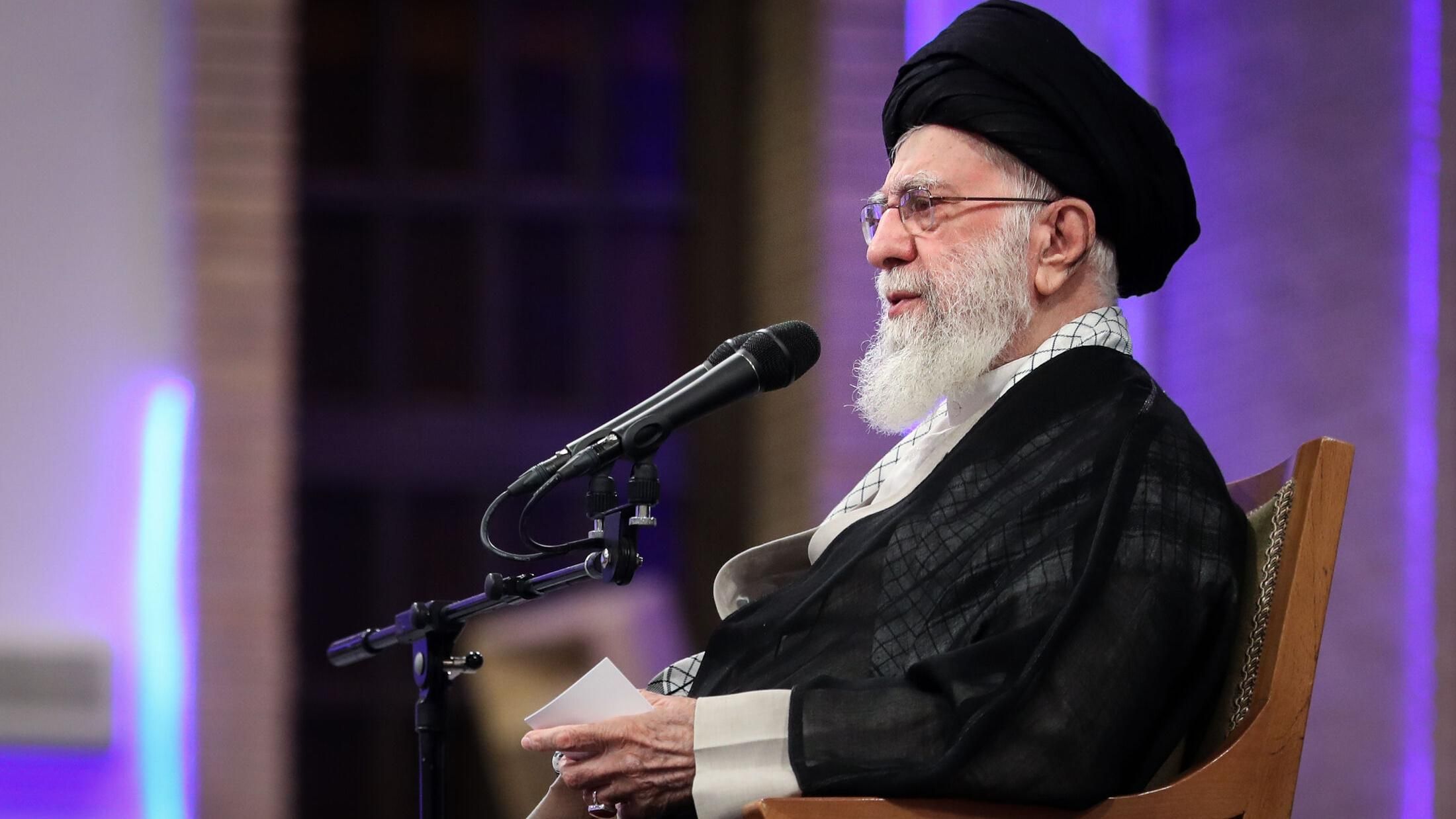
In a strongly worded response to US threats, Iran’s Supreme Leader, Ali Khamenei, warned that military might alone would not determine the outcome of the standoff.
“More dangerous than an aircraft carrier is the weapon that can send it to the bottom of the sea,” Khamenei said, adding that attempts to predetermine negotiation outcomes would be “a wrong and foolish thing to do.”
Araghchi had earlier met with the head of the United Nations nuclear watchdog, stating in a post on X that he was in Geneva to “achieve a fair and equitable deal,” while emphasising that “submission before threats” was not an option.
US Secretary of State Marco Rubio, during a visit to Hungary, described the prospect of a deal as challenging.
“I think that there’s an opportunity here to diplomatically reach an agreement… but I don’t want to overstate it either. It’s going to be hard,” Rubio said.
The Geneva talks follow earlier indirect negotiations held in Oman this year, which Araghchi described as a “good beginning.”


A Home Worth Coming Back To: The Signature Residence by Mshel Homes

Is Nasir El-Rufai on the Peril? By Alabidun Shuaib AbdulRahman

US Veteran, Walter Obi Urges Compassionate Leadership at Valentine’s Event in US

Pastor Jerry Eze Defends Miracles At UK Conference Amidst Criticism And Controversy

Diaspora Watch 20th Edition (October 14-20, 2024): Your Trusted Source for Global News and Insights

Tanzanian Man Reportedly Dies And Returns To Life Six Times


-

 Business7 days ago
Zenith Bank, Excel Global Media Discuss Strategic Partnership
-
 Extra14 hours ago
US Veteran, Walter Obi Urges Compassionate Leadership at Valentine’s Event in US
-
 News7 days ago
Trade, Tension as Trump Threatens US–Canada Bridge Opening
-

 News7 days ago
Senegal Police Arrest 14 in Transnational Paedophile Ring Linked to France
-
 Analysis7 days ago
Nigeria’s Tax Reforms and the Diaspora, by Boniface Ihiasota
-
 News7 days ago
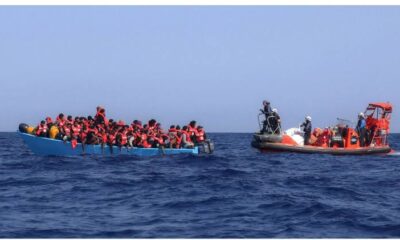
55 Migrants Perish as Boat Overturns Off Libyan Coast