
News
CARICOM Declares Bahamas Poll Credible, Peaceful

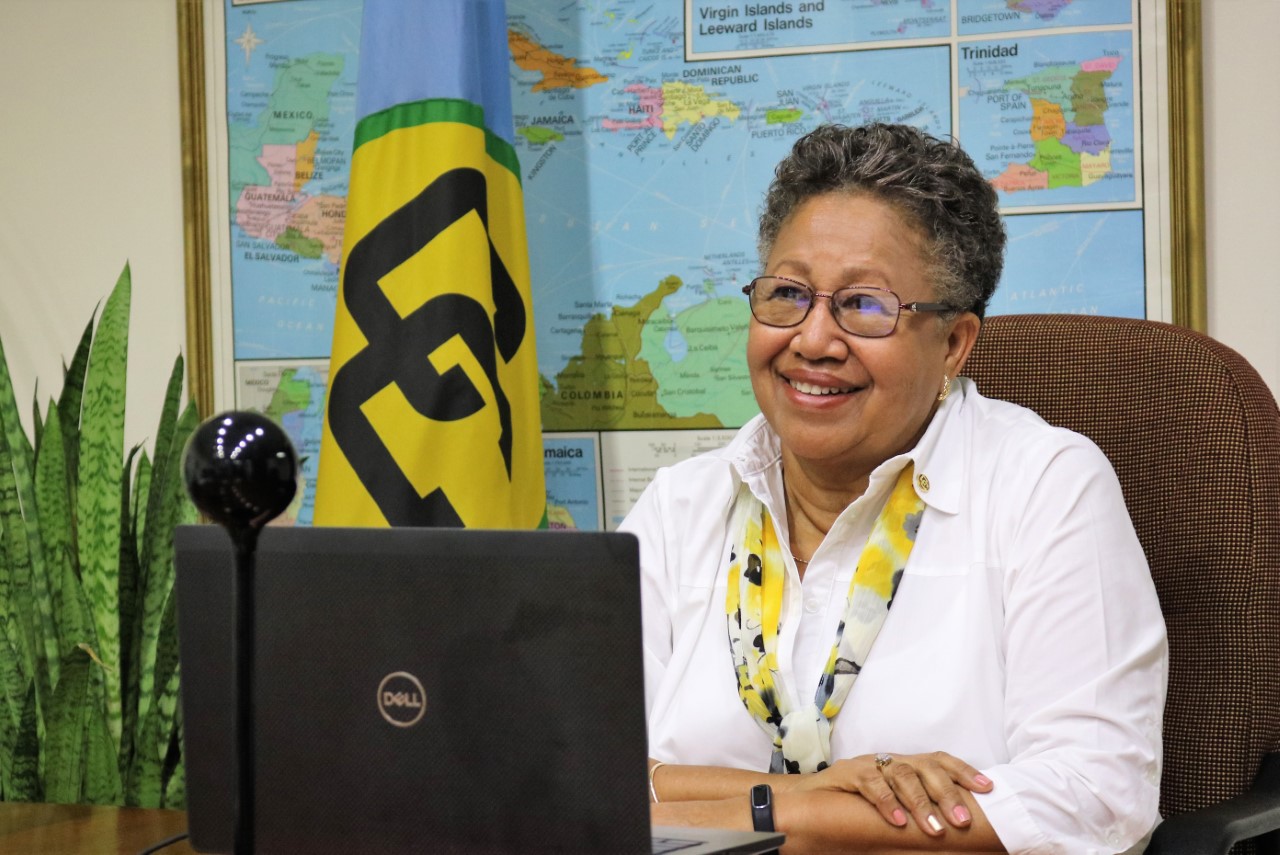
CARICOM Declares Bahamas Poll Credible, Peaceful
A nine-member CARICOM Election Observation Mission has declared that the 2026 general elections in The Bahamas reflected the will of the Bahamian people, following what it described as a peaceful and orderly voting process across the country.
The mission, which was deployed by the Caribbean Community at the invitation of Governor-General Cynthia Pratt, observed the May 12 elections and monitored polling activities on the islands of New Providence and Grand Bahama.
The observers were drawn from nine CARICOM member states, including Antigua and Barbuda, Barbados, Dominica, Grenada, Haiti, Jamaica, Saint Lucia, St. Vincent and the Grenadines, and Suriname.
In its interim statement issued on Wednesday, the mission said it held extensive consultations with political leaders, electoral officials, civil society groups, youth organisations and members of the media ahead of the elections.
Among those engaged were Prime Minister Philip Davis, Opposition Leader Michael Pintard, Coalition of Independents leader Lincoln Bain and former Prime Minister Hubert Minnis.
The observers disclosed that stakeholders raised concerns over the integrity of the voters’ register, preparedness of the Parliamentary Registration Department, alleged issuance of fraudulent voter identification cards and passports, campaign financing issues, inadequate voter education and concerns about the independence of electoral institutions.
Despite the concerns raised before the polls, the mission stated that election day procedures were generally conducted professionally, with adequate police presence and timely delivery of election materials across most polling divisions.
It noted that polling stations opened largely on schedule, while party agents from various political parties were present during the exercise.
According to the mission, observers monitored activities in 22 constituencies in New Providence and all five constituencies in Grand Bahama, covering a total of 317 polling divisions.
It said election workers appeared adequately trained and courteous, while elderly and physically challenged voters received necessary assistance throughout the voting process.
The mission further noted that although there were slight inconsistencies in the application of some voting procedures, such incidents were limited and did not disrupt the electoral process.
It added that voter turnout remained steady during the morning and evening periods, despite a noticeable reduction in voter traffic during midday.
On the counting process, the observers stated that ballot boxes were opened in the presence of polling agents, election officials and observers, while results were announced publicly in line with established electoral procedures.
The mission also confirmed that the sealing of ballot boxes and transfer of electoral materials were conducted transparently and professionally.
Chief of Mission, Herman St. Helen, commended the Parliamentary Registration Department, security agencies, party agents and the people of The Bahamas for maintaining peace and order throughout the elections. He stated that the mission considered the outcome of the 2026 polls to be consistent with the democratic will of the Bahamian electorate, adding that a final report containing the mission’s recommendations would be submitted to the CARICOM Secretary-General in the coming weeks.




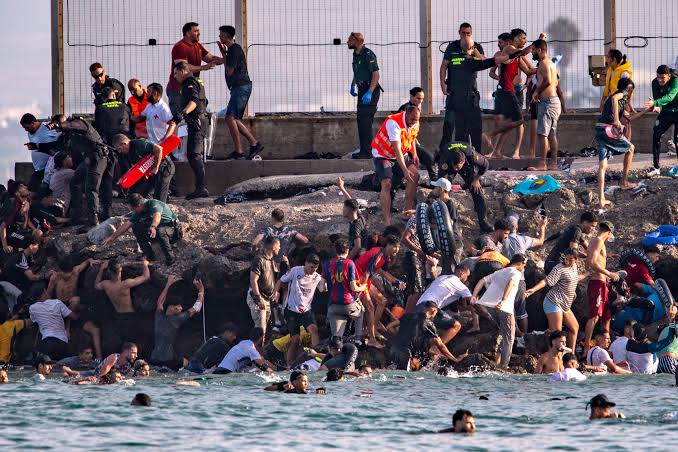
Spain battles political fallout as 60,000 migrants overwhelm Ceuta border
Spain is facing mounting political pressure after an estimated 60,000 migrants crossed from Morocco into the Spanish enclave of Ceuta within 24 hours, triggering one of the country’s worst border crises in recent years.
The unprecedented influx overwhelmed local infrastructure, forced businesses to shut down and disrupted daily life in the North African territory.
Spanish Prime Minister Pedro Sánchez condemned the mass crossing, describing it as “a violation of Spain’s territorial integrity,” as security forces reinforced the border.
Residents expressed frustration over the scale of the influx, saying the territory lacked the resources to cope with such a large number of arrivals.
Although thousands of migrants have reportedly returned voluntarily to Morocco, officials said shortages of food and essential supplies continued to affect the enclave.
The crisis has also reignited political debate across Europe over border security and migration policy, with some politicians calling for tougher controls along the European Union’s external frontiers.
The humanitarian toll also continued to rise, with officials confirming that at least 57 people died during the border surge.
Many of those who crossed into Ceuta said they were fleeing unemployment and economic hardship in Morocco in search of better opportunities in Europe.
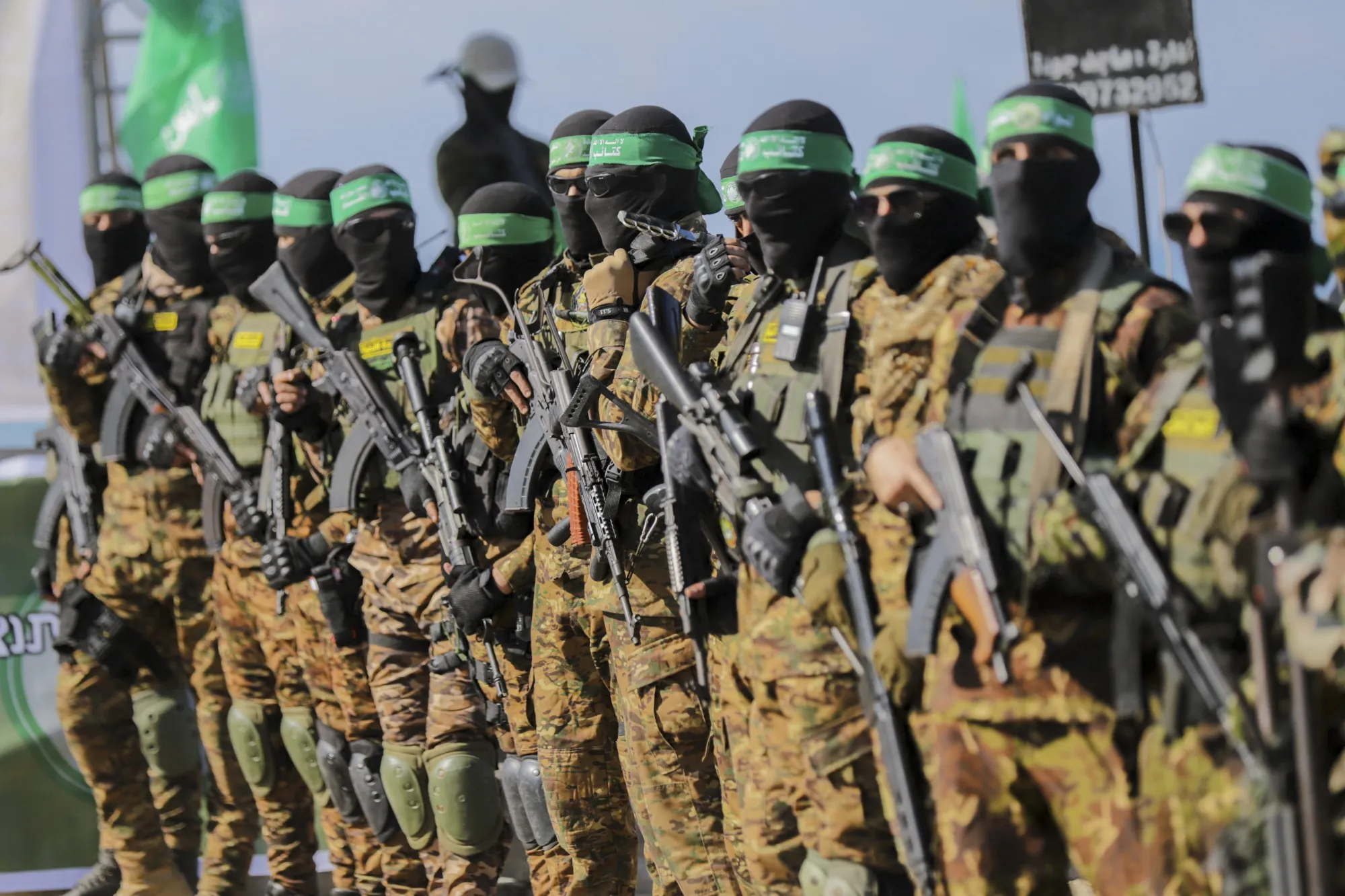
Hamas agrees to disarm as Gaza withdrawal deal gains momentum
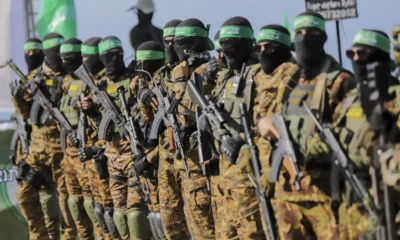
Hamas has agreed to surrender its weapons under a new internationally backed roadmap aimed at ending the war in Gaza, paving the way for a phased withdrawal of Israeli troops and reviving stalled ceasefire negotiations.
The proposed agreement, announced on Friday, marks a major political breakthrough after months of negotiations over Hamas’ future military role and Israel’s insistence on the group’s complete disarmament before any troop withdrawal.
United States President Donald Trump welcomed the development, describing it as a “major milestone” and saying the agreement provides for Hamas’ “complete disarmament.”
According to the roadmap, Hamas will hand over its weapons to the National Committee for Administration of Gaza, a new governing body expected to oversee civil administration and internal security in the territory.
The agreement also provides for a gradual Israeli military withdrawal, with both processes to be implemented simultaneously under international verification.
A member of Hamas’ negotiating team, Ghazi Hamad, said the movement accepted the arrangement “for the sake of our people in the Gaza Strip,” adding that the new governing committee—not Israel—would supervise the disarmament process.
The Board of Peace, which facilitated the negotiations, confirmed that Hamas had accepted a detailed implementation roadmap and said the governing committee would soon begin assuming authority in Gaza.
However, the deal has already exposed political divisions in Israel.
Far-right National Security Minister Itamar Ben Gvir rejected the proposal, describing it as “unacceptable” and warning that it could allow Hamas to regroup.
Although Israeli officials have yet to formally endorse the agreement, political sources maintained that Israel would only proceed with troop withdrawal if Hamas undergoes genuine and verifiable disarmament.
European Union foreign policy chief Kaja Kallas welcomed the agreement but cautioned that significant work remained before lasting peace could be achieved.
United Nations Secretary-General António Guterres also described the announcement as one of the few positive developments in the Middle East conflict in recent weeks.
Egypt is expected to host another round of talks involving the United States, Qatar and Turkey to finalise implementation of the ceasefire roadmap.
Despite the diplomatic breakthrough, violence has continued in Gaza, with local health officials reporting that fresh Israeli airstrikes killed at least four people, including two children, highlighting the fragile security situation.
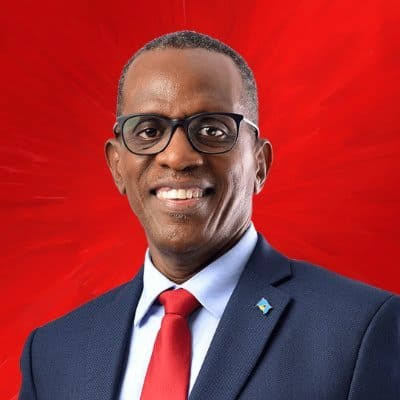
CARICOM chair renews reparations demand
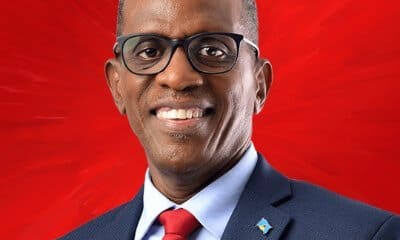
Chairman of the Caribbean Community, CARICOM and Prime Minister of Saint Lucia, Philip J. Pierre, has renewed the region’s call for reparatory justice, insisting that emancipation remains incomplete without economic freedom, opportunity and social justice.
In his Emancipation Day 2026 message, Pierre said freedom was won through the courage and sacrifice of enslaved Africans whose struggle laid the foundation for today’s Caribbean societies.
He noted, however, that the abolition of slavery did not end injustice, as formerly enslaved people entered freedom without land, wealth or compensation, while those who benefited from slavery prospered.
Pierre maintained that the Caribbean’s pursuit of reparations was not driven by revenge but by the search for truth and justice, describing it as part of the region’s unfinished journey towards genuine emancipation.
He urged Caribbean governments to create stronger economies by supporting entrepreneurship, agriculture, food security, clean energy and youth development, saying political independence must be matched with economic empowerment.
The CARICOM chairman also called on citizens across the region to honour their ancestors by building more united, prosperous and inclusive societies capable of securing lasting freedom for future generations.


EDITORIAL: Tackling Poverty in Africa

Spain battles political fallout as 60,000 migrants overwhelm Ceuta border

Hamas agrees to disarm as Gaza withdrawal deal gains momentum

Pastor Jerry Eze Defends Miracles At UK Conference Amidst Criticism And Controversy

Diaspora Watch 20th Edition (October 14-20, 2024): Your Trusted Source for Global News and Insights

Tanzanian Man Reportedly Dies And Returns To Life Six Times


-
 Milestone6 days ago
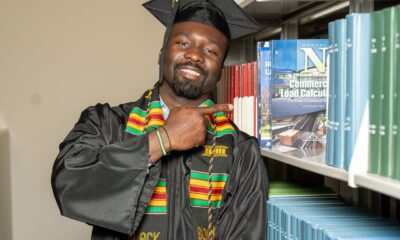
Nigerian bags HVAC Engineering degree in US, lands full-time job
-
 News6 days ago
CARICOM chair renews reparations demand
-
 Analysis6 days ago
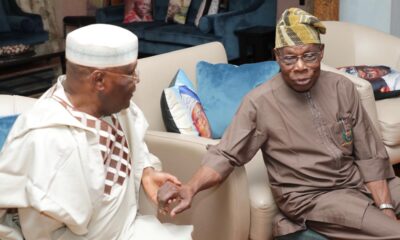
Obasanjo, Atiku and the Burden of Broken Trust, by Alabidun Shuaib AbdulRahman
-
 Analysis6 days ago
Lessons from the Catholic Bishops’ Visit to Tinubu, by Boniface Ihiasota
-
 News6 days ago
Hamas agrees to disarm as Gaza withdrawal deal gains momentum
-
 Opinion6 days ago
EDITORIAL: Tackling Poverty in Africa