
News
CARICOM seeks stronger biodiversity data to meet global targets

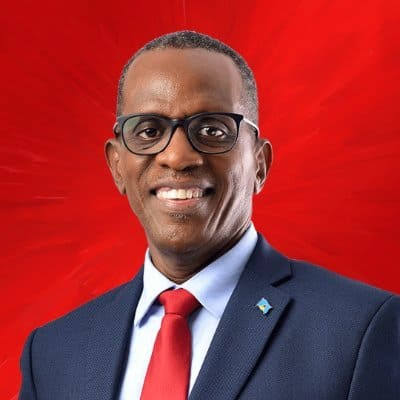
CARICOM seeks stronger biodiversity data to meet global targets
The Caribbean Community, CARICOM has called for stronger biodiversity statistics, data collection and monitoring systems to improve conservation efforts and track progress towards global environmental targets.
The call was made by the Senior Project Officer, Sustainable Development at the CARICOM Secretariat, Ms Teshia Jn Baptiste, during side events at the 17th Conference of the Parties to the Convention on Biological Diversity in Armenia.
Representing the secretariat, Jn Baptiste said the Caribbean had made progress in biodiversity conservation through investments in protected areas, the integration of biodiversity into national development policies and inclusive governance arrangements.
However, she said stronger data systems were needed to measure results, guide policy decisions, improve accountability and monitor progress towards the Kunming-Montreal Global Biodiversity Framework.
Speaking at an event titled Responding to the Global Review: Sharing Sub-Regional Syntheses of Progress Towards the Kunming-Montreal Global Biodiversity Framework, she emphasised the need to expand successful conservation initiatives across the Caribbean.
“CARICOM has demonstrated that progress is possible where we have invested in protected areas, biodiversity mainstreaming and inclusive governance. We should now focus on scaling these successful approaches across the Region to accelerate implementation of the Kunming-Montreal Global Biodiversity Framework,” she said.
Jn Baptiste also advocated a whole-of-government approach that integrates biodiversity considerations into agriculture, tourism, fisheries, infrastructure and national development planning.
At another side event, Connecting Regions, Accelerating Action: Strengthening the TSCC Network for KMGBF Implementation, she highlighted the role of the CARICOM Technical and Scientific Cooperation Centre in building national capacities through technical expertise, training, technology and knowledge-sharing.
She cited regional initiatives involving geographic information systems, DNA-based monitoring tools, early warning systems and citizen science as examples of how cooperation could improve biodiversity monitoring and data management.
“Small Island Developing States often face similar capacity constraints, and we can achieve greater impact by sharing technical expertise, training programmes, monitoring tools and implementation support through regional platforms,” she said.






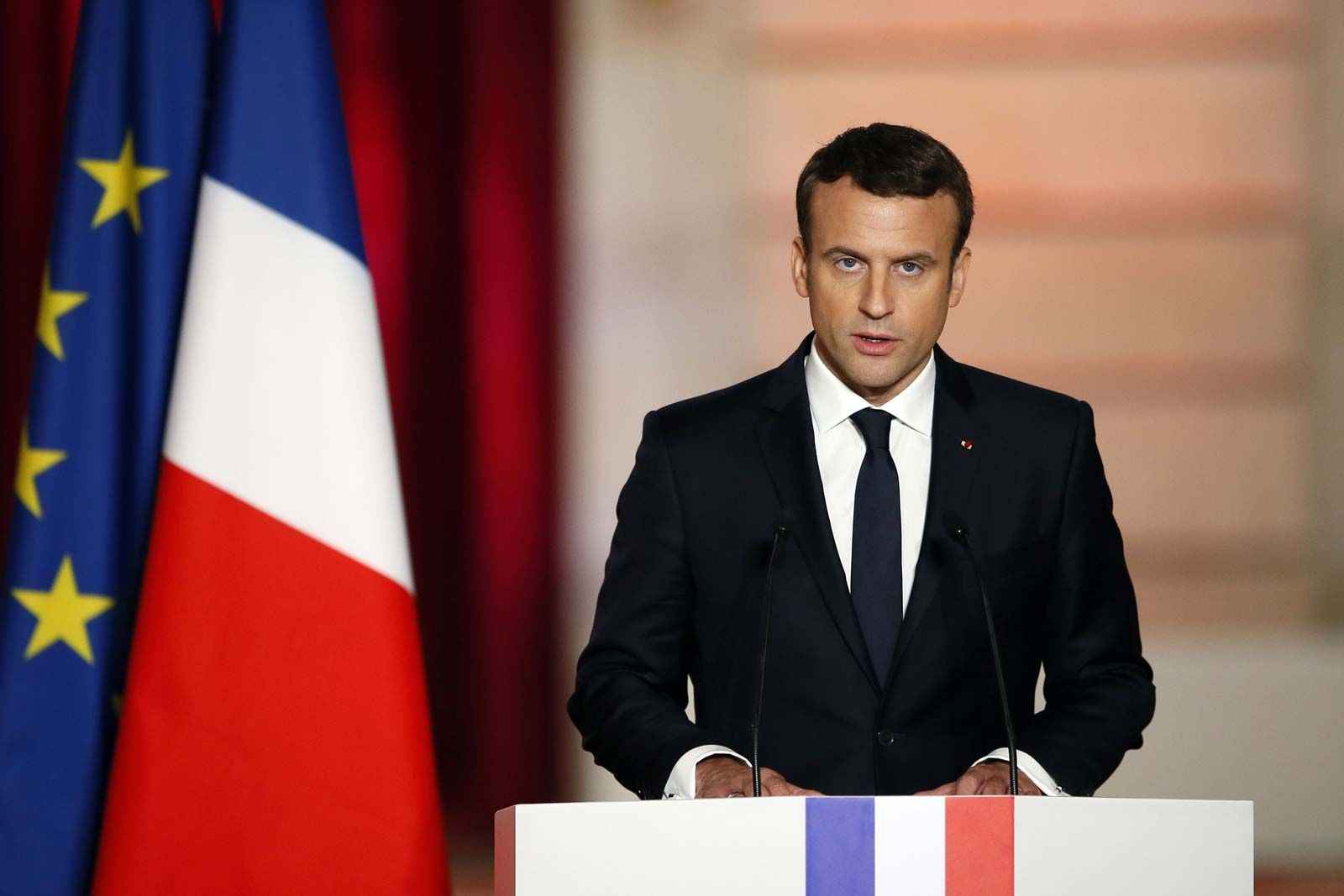
Macron slams Trump over claims linking Muslim migrants to French riots
French President Emmanuel Macron has described claims by US President Donald Trump linking Muslim migrants to recent riots in France as “stupid”, accusing foreign leaders of exploiting the unrest for political gain.
Macron made the remarks on Wednesday after violent protests, looting and vandalism swept through several French cities, triggering a major security response and intensifying political debate over immigration, public order and the rising cost of living.
Trump had used the unrest to rally his supporters, making claims that Muslim migrants were responsible for the violence and urging Macron to close France’s borders.
Responding to the comments, Macron accused foreign actors of manipulating information about the disturbances and circulating misleading narratives about events in France.
“And that has led to comments that are as unacceptable as they are stupid, from many people, including foreign leaders,” Macron said.
Asked whether he was referring to Trump, the French president replied, “Among others.”
He also criticised the circulation of artificial intelligence-generated images allegedly depicting events that did not occur in France, warning against the use of misleading content to influence public opinion.
“We’ve had people claiming that we were invaded by hordes of migrants and Islamists, which is completely false,” Macron said.
French Foreign Minister Jean-Noël Barrot said his office could provide relevant countries with information to prevent the spread of false claims.
Macron accused foreign leaders of using France’s domestic difficulties to advance their political interests, particularly during election campaigns.
The dispute comes as the French government faces mounting pressure to restore order following violent demonstrations over rising living costs.
The unrest has also exposed divisions over immigration, policing and the government’s handling of public discontent.
Macron made the remarks in Qatar at the end of a tour of Gulf Arab states aimed at securing additional energy supplies and addressing rising fuel prices.
His office said France was seeking to diversify supplies of oil, gas, diesel and jet fuel amid disruptions to global energy markets.
During the visit, Macron secured an additional 100,000 metric tonnes of diesel monthly from the United Arab Emirates, with another 100,000 tonnes expected from Bahrain.
The Élysée said additional supplies, including those from Saudi Arabia, could bring the total to nearly 295,000 tonnes monthly.
The French president said the government was also working with international partners to ease energy costs following an agreement by the Group of Seven wealthy democracies to release 100 million barrels of oil and fuel products from strategic reserves.
However, the additional supplies have yet to establish whether they will significantly ease public anger over the cost of living.
Macron acknowledged the concerns of students over underfunded schools, deteriorating facilities, staff shortages and the university admissions system, saying the government needed to address the broader causes of public dissatisfaction.
The unrest has also prompted authorities to consider tighter security measures, with further demonstrations planned by student groups, trade unions and the Yellow Vest movement.
Macron said the government would use its legal powers to prevent further violence and protect public property.
The dispute with Trump adds an international dimension to the crisis, as Macron seeks to defend France’s image while confronting domestic unrest and pressure over the economy.
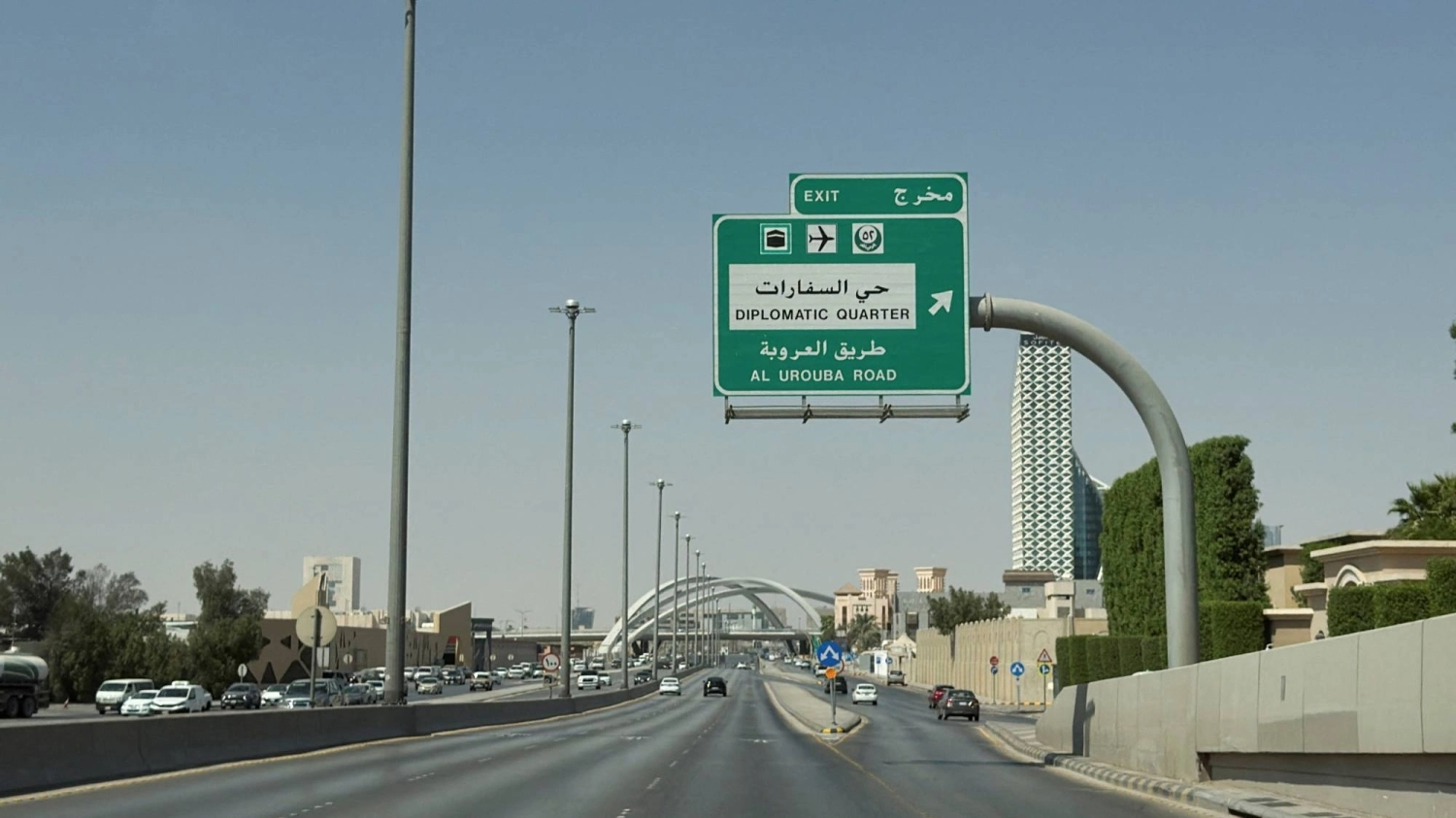
US withdraws diplomats’ families from Gulf amid Houthi attacks
The United States has ordered non-emergency government employees and their families to leave its diplomatic missions in Saudi Arabia following deadly attacks on the kingdom’s airport and oil infrastructure.
The decision comes amid escalating regional tensions and concerns over further attacks by Iran-aligned Houthi forces, with Washington also planning to withdraw family members from its missions in other Gulf countries.
US State Department spokesman Tommy Pigott said the department had ordered the departure of non-emergency American government employees and their families in Saudi Arabia, citing attacks on civilian targets and critical infrastructure.
The attacks killed at least three people and injured eight others, according to Saudi authorities.
One person was killed and eight others injured in an attack on King Fahd International Airport in Dammam, while two people died in a drone attack targeting a facility at Saudi Aramco’s Shaybah oilfield.
Four US officials told Reuters that American missions in other Gulf states would also order family members to leave. Pigott, however, did not confirm changes to diplomatic missions outside Saudi Arabia.
The latest development follows an escalation of fighting in Yemen amid a wider regional conflict triggered by the US-Israeli war on Iran, which began in late February.
The conflict has disrupted global energy trade and heightened security concerns across the Gulf, a region central to international oil supplies and shipping.
Saudi Arabia’s energy ministry said its air defences intercepted a drone attempting to strike a facility at the Shaybah oilfield, resulting in two deaths.
The country’s civil aviation authority separately reported the deadly attack on King Fahd International Airport.
The US Embassy in Riyadh had earlier issued a security alert warning of possible further Houthi attacks following deadly strikes, including an attack on Riyadh’s airport.
The embassy and a Central Intelligence Agency station operating from the facility were also targeted by drones in early March, as Iran launched attacks across the region.
The withdrawal order signals Washington’s growing concern over the security of its personnel as attacks threaten civilian facilities, diplomatic installations and energy infrastructure across the Gulf.
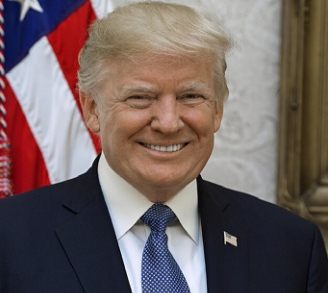
Trump’s Immigration Crackdown: US Border Crossings Drop, Deportations Rise
US President Donald Trump’s immigration crackdown has significantly reduced illegal border crossings, accelerated deportations and tightened access to refugee admissions and work visas, but the policies have raised concerns over enforcement tactics and their wider economic and social consequences.
Trump, who made immigration control a central promise of his successful 2024 presidential campaign, has pursued an aggressive enforcement strategy since returning to the White House, backed by additional congressional funding and fewer judicial constraints than during his first term.
The measures include restricting asylum applications, deploying troops to the US-Mexico border, expanding border barriers and intensifying operations by Immigration and Customs Enforcement agents across American cities.
However, concerns are growing among some voters who believe the administration’s approach has become excessively harsh, particularly following controversial enforcement operations and the deaths of two American citizens during a crackdown in Minneapolis in early 2026.
Data from the Deportation Data Project, run by researchers at the University of California, Berkeley, and the University of California, Los Angeles, showed that immigration arrests rose sharply under Trump.
Nearly 50,000 people were detained in July 2026 alone, according to the data. However, only 27 per cent of those detained that month had criminal histories, representing a record low proportion.
Deportations also increased, with Immigration and Customs Enforcement removing an average of 1,255 people daily by mid-July, compared with approximately 770 per day during the final months of former President Joe Biden’s administration.
The crackdown has also affected public opinion. A New York Times and Siena poll released on October 21 found that 50 per cent of voters trusted Democrats to handle immigration, compared with 46 per cent who favoured Republicans.
A separate poll by Politico and Public First in late September found that 31 per cent of Republicans who did not identify with the Make America Great Again movement believed the administration’s campaign had become too aggressive.
Border crossings decline
The Trump administration has recorded a sharp decline in encounters with migrants at the southern border following the restrictions introduced under Biden and expanded after Trump returned to office.
More than 4.5 million migrant encounters were recorded at the southern border in 2023 and 2024 combined, reflecting the large numbers of people attempting to enter the United States.
The Biden administration subsequently reduced monthly figures through restrictions on asylum claims and increased removals.
Border encounters fell further after Trump resumed office, with the administration introducing tougher restrictions and increasing enforcement.
The measures include effectively freezing asylum applications at the border, ending the release of detained migrants into the country while their cases are pending, deploying troops and pressuring Mexico to restrict northbound migration.
Homeland Security Secretary Markwayne Mullin said on October 16 that the administration had delivered on its promise to secure the border.
“President Trump promised the American people a secure border, and the data proves he delivered,” Mullin said, adding that strong enforcement was producing results.
Border wall construction expands
The administration has also accelerated construction of barriers along the nearly 2,000-mile US-Mexico border.
The project received a major boost from $46.5bn allocated through Trump’s spending legislation, commonly referred to as the One Big Beautiful Bill.
Government figures showed that approximately 644 miles of primary wall and 75 miles of secondary wall existed before Trump returned to office.
Since then, another 250 miles of barriers, including primary and secondary walls and waterborne barriers, have been completed alongside detection technology. A further 1,443 miles of barriers were reported to be under construction.
However, immigration experts have questioned whether the wall itself has significantly contributed to the decline in crossings.
Aaron Reichlin-Melnick, an immigration enforcement expert at the American Immigration Council, argued that there had been no significant change in crossings attributable to the new wall construction.
He attributed the decline more to the administration’s policies and deterrent messaging than to the physical barriers.
Trump has continued to defend the project, claiming at a rally in Kentucky on October 17 that Mexico had effectively paid for the wall through tariffs and other costs imposed by his administration.
Refugee admissions fall sharply
The administration has also drastically reduced refugee admissions since Trump returned to office.
Trump initially suspended refugee admissions, saying they could resume only when they were considered to serve American interests.
An executive order subsequently reopened the process for Afrikaners from South Africa, whom the White House has described as facing persecution. The South African government has rejected those claims.
The refugee admissions ceiling for the 2026 fiscal year was initially set at 7,500 before being increased to 17,500 in May.
State Department figures showed that 16,292 refugees had been admitted during the 2026 fiscal year, including 16,287 South Africans.
The figures represented a sharp decline from the 60,000 refugees admitted in the 2023 fiscal year and 100,000 in 2024 under Biden.
The administration has also moved to terminate Temporary Protected Status for hundreds of thousands of foreign nationals whose home countries were considered unsafe for return.
In June, the US Supreme Court upheld the administration’s decision to end the protection for approximately 350,000 Haitians living in the United States.
Work visas face tougher restrictions
Trump’s immigration policy has also tightened access to employment-based immigration and other legal routes into the country.
The administration introduced additional screening requirements and restrictions affecting nationals of countries it considers security risks.
In September 2025, Trump announced a $100,000 fee for new H-1B visas, which are widely used by skilled foreign workers, particularly Indians employed in the American technology sector.
The policy triggered concern among technology companies. US Citizenship and Immigration Services said in May that registrations for the 2027 programme had fallen by 40 per cent.
The agency argued that the decline demonstrated that the programme was better serving its intended purpose of attracting highly skilled workers while protecting American wages and employment opportunities.
A court subsequently blocked the fee, although the prospect of its implementation appeared to have influenced employers’ decisions.
A study by the Wharton School of Business, however, found that the H-1B changes would have no significant effect on the wages of US-born workers, with reduced competition potentially offset by slower productivity growth.
$1m immigration offer
While tightening several immigration routes, Trump has also introduced a programme targeting wealthy foreigners.
The Trump Gold Card, launched in 2025, offers a pathway for eligible wealthy applicants willing to make a $1m contribution to the US government, alongside a non-refundable $15,000 application fee.
Trump said the initiative would attract investment and boost the American economy.
However, uptake appeared limited, with only one applicant reportedly accepted by April.
Immigration remains a major issue ahead of the US midterm elections, which are widely viewed as a referendum on Trump’s presidency.
Although his administration has delivered on its promise to intensify enforcement, growing concerns over deportation tactics, refugee restrictions and access to skilled foreign labour could complicate the political debate.


Who Silenced Dele Giwa? By Alabidun Shuaib AbdulRahman

CARICOM seeks stronger biodiversity data to meet global targets

Macron slams Trump over claims linking Muslim migrants to French riots

Pastor Jerry Eze Defends Miracles At UK Conference Amidst Criticism And Controversy

Diaspora Watch 20th Edition (October 14-20, 2024): Your Trusted Source for Global News and Insights

Tanzanian Man Reportedly Dies And Returns To Life Six Times


-

 Extra17 hours ago
Enyimba Social Club Inaugurates Washington DC Chapter, Honours Women Founders
-
 News2 hours ago
Trump’s Immigration Crackdown: US Border Crossings Drop, Deportations Rise
-
 News52 minutes ago
Macron slams Trump over claims linking Muslim migrants to French riots
-

 Diplomacy58 minutes ago
US withdraws diplomats’ families from Gulf amid Houthi attacks
-

 Analysis2 hours ago
Arise Nigerian Youths, It’s Time! By Boniface Ihiasota
-
 Analysis43 minutes ago
Who Silenced Dele Giwa? By Alabidun Shuaib AbdulRahman