
News
CARICOM Calls for Nominations for 2025 Women, Youth Energy Awards


CARICOM Calls for Nominations for 2025 Women, Youth Energy Awards
The Caribbean Community (CARICOM) has announced the opening of nominations for the 2025 editions of the Women in Sustainable Energy Awards (WISE) and the Sustainable Energy Youth Awards (SEYA), aimed at celebrating excellence, innovation, and inclusivity in the energy sector.
In a statement, the CARICOM Secretariat said nominations will remain open until 31 August 2025, urging citizens and residents across the region to either apply or nominate deserving peers, mentors or mentees.
The awards, organised in partnership with the Caribbean Centre for Renewable Energy and Energy Efficiency (CCREEE), are designed to spotlight the roles of women and youth as professionals, entrepreneurs, policy advocates and community champions driving the clean energy transition.
According to CARICOM, WISE seeks to honour women who have made outstanding contributions at community, national, regional, or international levels. Submissions will be assessed in four categories: Business/Entrepreneurship; Social Impact, Community and Advocacy; Policy and Regulations; and Utilities and Industry.
On the other hand, SEYA focuses on individuals between 16 and 35 years old, recognising young innovators and advocates whose work reflects creativity, leadership, and commitment to the sustainable energy movement across public, private, and civil society sectors.
Both awards will be presented at the 9th Caribbean Sustainable Energy Forum (CSEF IX) scheduled to hold in Grenada from 28 to 30 October 2025.
The Secretariat noted that the initiative also seeks to promote gender diversity and intergenerational leadership as critical elements for the success of the region’s energy transition agenda.

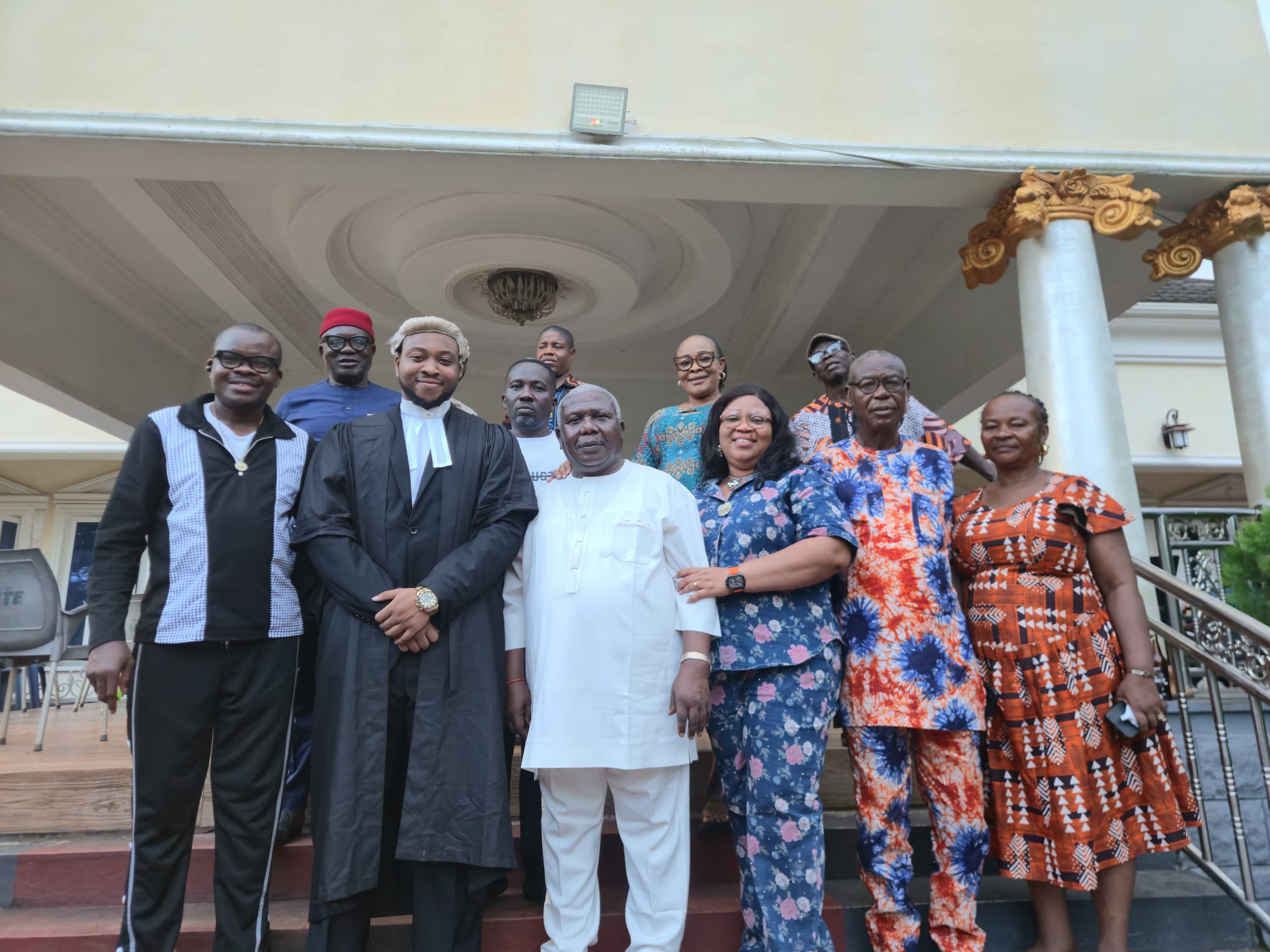
Imo Ex-Lawmaker’s Son Irvin Ibejiako Called to Nigerian Bar
By Boniface Ihiasota
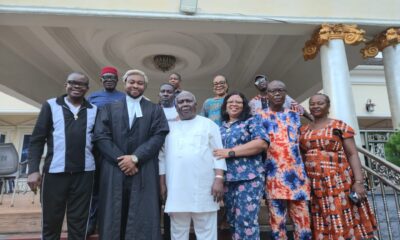
Irvin Ibejiako has been formally called to the Nigerian Bar, marking the successful completion of his legal training after years of academic and professional preparation.
Speaking after the ceremony in Abuja, the newly inducted lawyer described the occasion as the reward for years of hard work, discipline and perseverance.
“There were moments during this journey when the finish line felt very far away,” he said.
“The path from university lecture halls to the Nigerian Bar demanded sacrifices, long nights, discipline and resilience that often went unseen.”
He added that the achievement was not his alone but a reflection of the support he received from his family and well-wishers.
“Standing here today, I carry not only my own dreams but also the prayers, sacrifices and hopes of my parents, family and everyone who believed in me,” he said.
Ibejiako noted that being called to the Bar comes with a greater responsibility to uphold the rule of law and serve society.
“Being called to the Bar is a reminder that perseverance has a way of rewarding those who refuse to quit. I am grateful for the journey, humbled by the moment and excited for the responsibility that comes with wearing the wig and gown,” he added.
Irvin is the son of the Imo State Commissioner for Culture and Tourism and former member of the House of Representatives for Owerri Federal Constituency, Rt. Hon. Ernest Ibejiako.
Following the ceremony, family members, friends and associates held a reception in his honour at Icheku Gardens Villa in Owerri Municipal, where they celebrated his admission into the legal profession.
Guests at the event described the achievement as a source of pride for the Ibejiako family and the Owerri community, expressing confidence that the young lawyer would contribute meaningfully to the administration of justice in Nigeria.
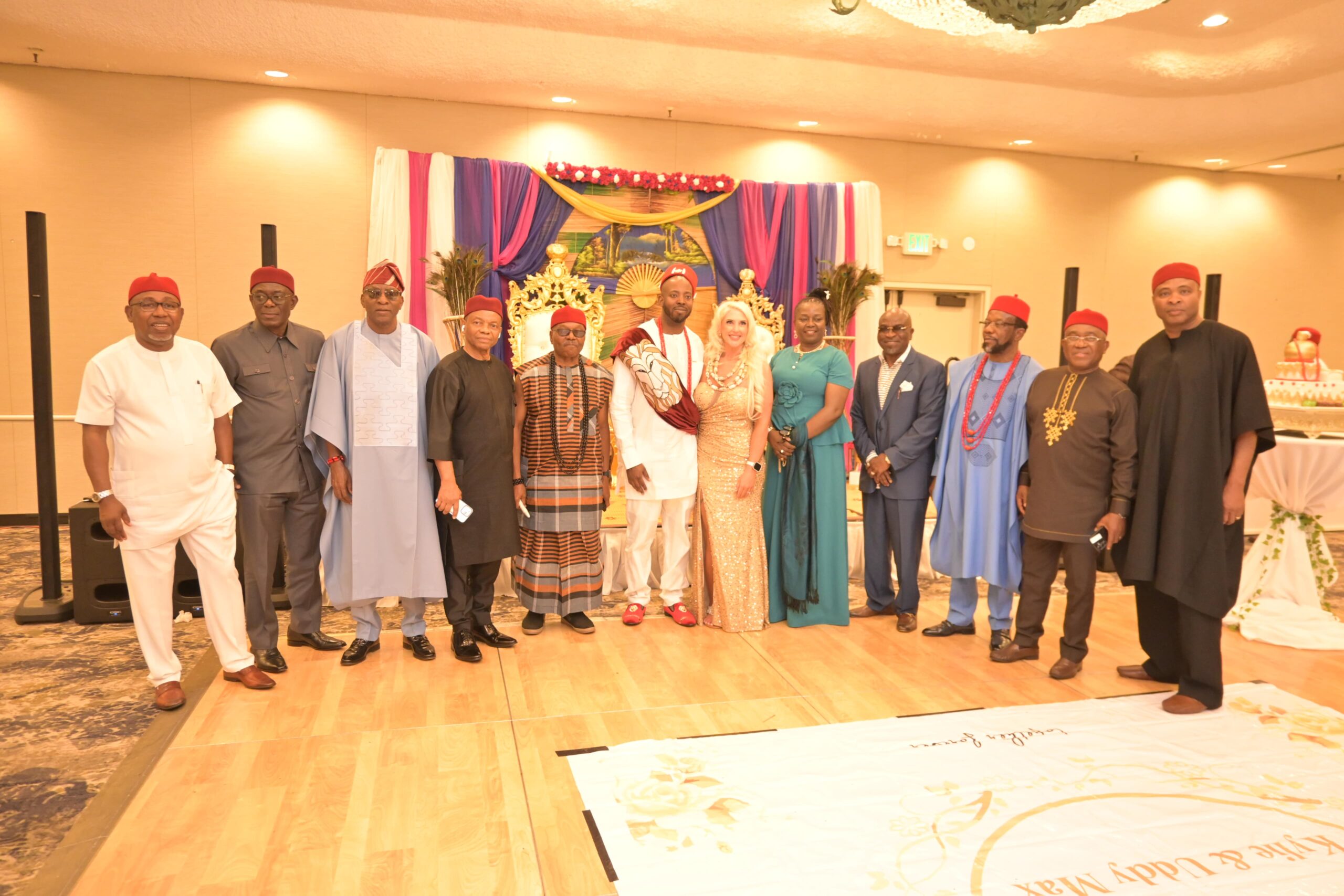
Uddy, Kylie celebrate colourful Igbo-American traditional wedding in California
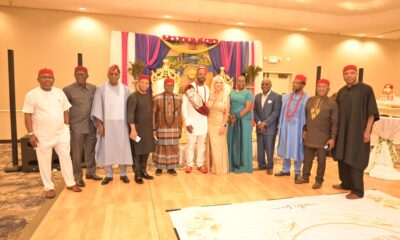
Uddy Osuagwu and Kylie Bechtold have celebrated their traditional wedding in Concord, California, in a colourful ceremony that showcased the rich cultural heritage of the Igbo people alongside American family traditions.
The event, held at the Concord Center, brought together family members, friends and guests from different parts of the United States and beyond to witness the union of the couple in a celebration marked by culture, fashion and entertainment.
The wedding united the families of Chief Magzy and Lolo Ada Osuagwu and Mr. Scott and Mrs. Jodi Bechtold, symbolising a blend of Nigerian and American cultures.
Guests were treated to a vibrant display of Igbo traditional rites, with the couple adorned in elegant traditional attire, coral beads and isi agu regalia, while the ceremony featured music, dance and cultural performances.
Among the dignitaries in attendance was the Chairman of ABC Transport Plc, Mr. Frank Nneji, alongside business leaders, community elders and members of the Nigerian diaspora from across the United States.
The celebration also attracted well-wishers from Nigeria and other parts of the world, showcasing the couple’s extensive personal and professional connections.
Speaking during the event, family members described the marriage as a pointer to the power of love to transcend cultural and geographical boundaries.
The ceremony was covered by the United States-based Excel Magazine International crew led by its Publisher, Boniface Ihiasota, who documented the event for audiences across Africa, Europe and North America.
The colourful wedding featured traditional Igbo marriage rites, cultural displays and a reception that extended into the evening, with guests celebrating the couple’s new journey together.
The event has been widely described by attendees as one of the memorable diaspora traditional weddings of the season, spotlighting the enduring bond between Nigerian cultural heritage and global multicultural communities.
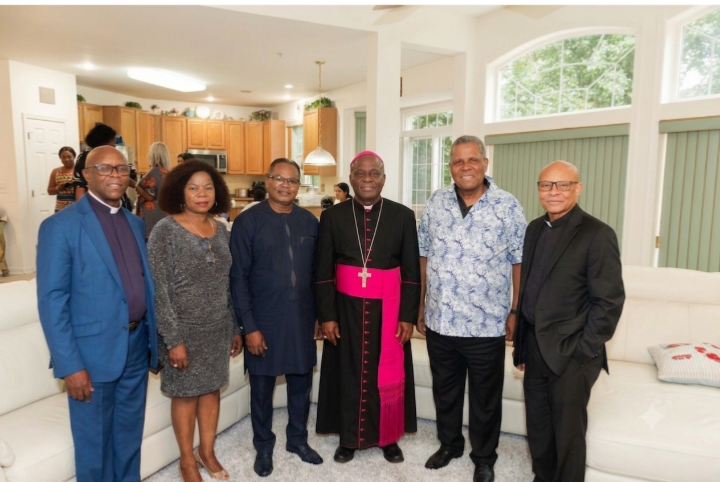
MbaiseUSA DMV chapter hosts Ahiara bishop ahead of 2026 convention
By Boniface Ihiasota, Washington DC
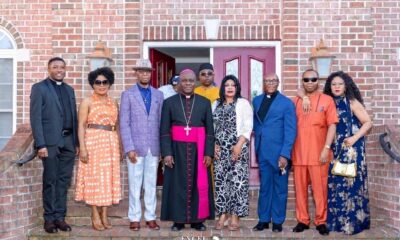
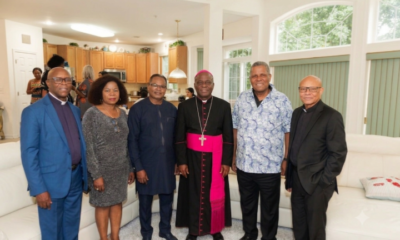
The President of the Mbaise Progressive Union Washington DC Metro Area Inc., Hon. Sir Goddy Ugbor, has hosted the Catholic Bishop of Ahiara Diocese, Rt. Rev. Simeon Okezuo Nwobi, at a private dinner in Bowie, Maryland, ahead of the bishop’s maiden episcopal visit to the Washington DC metropolitan area.
The dinner, held on July 11, 2026, at the residence of Ugbor and his wife, Dr. Lady Madonna Ugbor, brought together members of the clergy and community leaders as part of activities preceding the bishop’s public Mass at St. Matthias Catholic Church.
Ugbor, who also serves as the Host President of the MbaiseUSA Convention 2026, said the gathering underscored the Washington DC Metro chapter’s commitment to promoting unity, faith and service among Mbaise indigenes in the diaspora.
He described the bishop’s visit as significant for the Mbaise community in North America, noting that preparations had reached an advanced stage for the MbaiseUSA Convention scheduled to hold from July 22 to July 25 at the Baltimore Convention Center.
“The Bishop’s presence in our home was a blessing to our family and to the entire DMV community. We are honoured to welcome our shepherd as we prepare to host Ndi Mbaise from across the world this July,” Ugbor said.
Community leaders at the event described the dinner as an opportunity to strengthen relationships within the Mbaise community while discussing the role of faith and leadership in advancing development among members in the diaspora.
The bishop was accompanied by Rev. Fr. John Ekeocha, Rev. Fr. Leo Ugbor, Rev. Fr. Chris Opara and Rev. Sr. Judith.
The Washington DC Metro chapter is the official host chapter for the 2026 MbaiseUSA Convention, which organisers expect will attract more than 2,000 delegates from different parts of the world.
The dinner formed part of activities marking Bishop Nwobi’s visit and the countdown to the annual convention, which aims to foster cultural ties, community development and engagement among Mbaise people in the diaspora.


Imo Ex-Lawmaker’s Son Irvin Ibejiako Called to Nigerian Bar

Let the Bishop’s Visit Heal Us — A Call for Peace Among Mbaise Sons and Daughters in the Diaspora

Uddy, Kylie celebrate colourful Igbo-American traditional wedding in California

Pastor Jerry Eze Defends Miracles At UK Conference Amidst Criticism And Controversy

Diaspora Watch 20th Edition (October 14-20, 2024): Your Trusted Source for Global News and Insights

Tanzanian Man Reportedly Dies And Returns To Life Six Times


-
 News4 days ago
Faith, Fellowship as Ojiegbe Hosts Ahiara Bishop in Maryland
-
 News4 days ago
MbaiseUSA DMV chapter hosts Ahiara bishop ahead of 2026 convention
-
 News4 days ago
Imo Ex-Lawmaker’s Son Irvin Ibejiako Called to Nigerian Bar
-
 Extra4 days ago
Uddy, Kylie celebrate colourful Igbo-American traditional wedding in California
-
 Analysis4 days ago
Let the Bishop’s Visit Heal Us — A Call for Peace Among Mbaise Sons and Daughters in the Diaspora
-
 Analysis4 days ago
Understanding Kwara’s New Security Landscape, by Alabidun Shuaib AbdulRahman