
News
Uzodimma Backs FLAC, Urges Nigerians to Unite Against Cancer

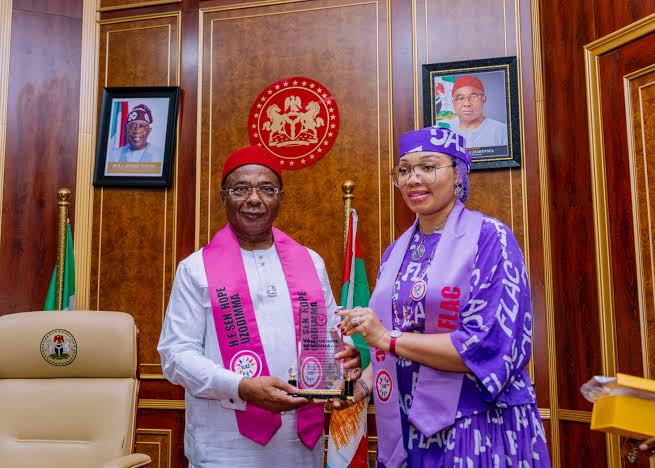
Uzodimma Backs FLAC, Urges Nigerians to Unite Against Cancer
Governor Hope Uzodimma of Imo State has reaffirmed his administration’s commitment to supporting the First Ladies Against Cancer, FLAC Nigeria, while calling on Nigerians to join efforts to combat cancer through increased awareness, early detection and sustained advocacy.
The governor made the pledge during a courtesy visit by members of FLAC and later at a gala night organised in their honour at the Government House in Owerri.
Speaking at the event, Uzodimma commended the organisation for its humanitarian interventions and contributions to improving cancer prevention, treatment and care across the country.
“I am excited to host you in Imo State and I commend your humanitarian services in Nigeria,” the governor said, assuring the delegation of his administration’s continued support for the organisation’s programmes.
He described Imo as the hospitality capital of the South-East and welcomed the delegates on behalf of the state government and people, assuring them of their safety during their stay.
The event also featured emotional testimonies from cancer survivors, including men, women and children, who recounted their experiences with the disease while encouraging Nigerians to embrace early screening and treatment.
Addressing guests at the gala night, Uzodimma stressed that the fight against cancer requires collective action, public education and efforts to eliminate the stigma associated with the disease.
He also lauded the President Bola Tinubu-led Federal Government for its investments in cancer prevention, treatment and palliative care, urging Nigerians to support ongoing reforms in the health sector.
“We need a new Nigeria where everyone participates in nation-building,” the governor said, adding that early detection remains critical to improving survival rates among cancer patients.
Earlier, the Chairperson of FLAC Nigeria and wife of the Imo State Governor, Mrs Chioma Uzodimma, said the delegation visited to appreciate the governor for his consistent support for the organisation’s advocacy and activities.
She explained that FLAC, whose membership comprises serving and former first ladies across the country, marks Cancer Survivors Month every June to celebrate survivors, inspire hope and raise awareness about the disease.
She described the governor as “a special friend of FLAC” and presented him with an award on behalf of the organisation in recognition of his support for its mission.
The gala night featured musical performances, a fashion parade by cancer survivors, comedy, cake cutting, presentation of gifts to survivors and a fundraising session to support the organisation’s advocacy programmes.
Mrs Uzodimma disclosed that more than N100m was raised during the fundraising to support FLAC’s ongoing cancer awareness and advocacy initiatives.
The delegation included the wives of the governors of Adamawa, Zamfara and Ogun states, Hajia Lami Fintiri, Hajia Huriyya Lawal and Mrs Bamidele Abiodun; immediate past FLAC Chairperson, Dr Zainab Shinkafi-Bagudu; former First Lady of Niger State, Dr Amina Abubakar; and former First Lady of Oyo State and ambassador-designate, Dr Florence Ajumobi, among other dignitaries.

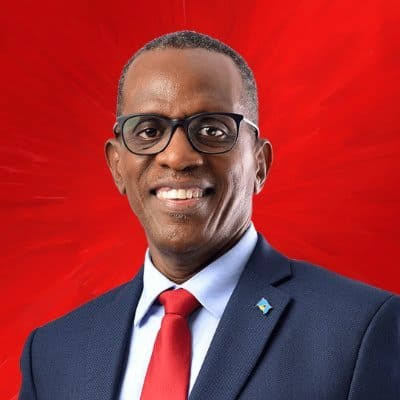
Jamaica Set to Host 20th Caribbean Week of Agriculture
More than 70 technical sessions, exhibitions, networking opportunities and a major trade show have been scheduled for the 20th Caribbean Week of Agriculture, which will take place in Jamaica from September 27 to October 2, 2026.
The event, regarded as the Caribbean’s premier agricultural gathering, will be held in Trelawny under the theme, “The New F.A.C.E of Caribbean Food Systems.” The programme will run at the Ocean Coral Springs Resort, with activities beginning with field trips on September 27.
The opening ceremony will take place later that day at the resort, with the event expected to bring together farmers, entrepreneurs, policymakers, innovators, young people, development partners and other agricultural stakeholders from across the Caribbean.
The technical programme will focus on transforming regional food systems and accelerating the implementation of CARICOM’s Vision 25 by 2025 + 5 food security strategy.
Key areas of discussion will include nutrition-smart food solutions, food as medicine, root and tuber production, fisheries and aquaculture, biogas and organic fertiliser, hydroponic fodder systems, agricultural financing and mobilisation of private capital.
Other sessions will examine resilient ruminant production, women-led agribusinesses, food security and cultural identity, as well as ways of improving the competitiveness of Caribbean agriculture.
Technology will also feature prominently at the gathering, with discussions planned on digital agriculture, digital extension services, digital trade, artificial intelligence, citizen science, climate resilience and climate-smart technologies.
Youth participation will be another major component, with sessions focusing on youth e-agriculture, agricultural land access and the role of young people in shaping the future of Caribbean agriculture.
Several ministerial forums are also scheduled, including a special meeting of the Council for Trade and Economic Development on Agriculture.
The event is being organised by the CARICOM Secretariat, the Government of Jamaica, regional institutions and other partners.
The Caribbean Agricultural Research and Development Institute, Caribbean Regional Fisheries Mechanism, CARICOM Private Sector Organisation, Caribbean Agricultural Health and Food Safety Agency, Organisation of Eastern Caribbean States, Inter-American Institute for Cooperation on Agriculture, Food and Agriculture Organisation, World Food Programme and University of the West Indies are among the supporting organisations.
The 20th edition is expected to provide a platform for regional stakeholders to strengthen collaboration, share agricultural innovations and develop practical responses to food security and climate-related challenges.
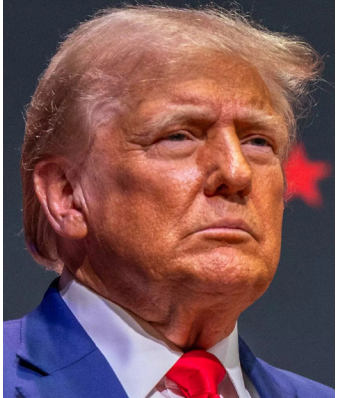
Trump’s policies may cost US $700bn in clean energy investment – Report
The energy policies of United States President Donald Trump could cost the country about $700bn in lost clean energy investments over the next decade, while power sector carbon emissions could nearly double by 2035, a new report has warned.
The report, released by the Natural Resources Defence Council on Tuesday, also projected that American households could spend up to $30bn more annually on electricity by 2035, with some regions facing bill increases of as much as 25 per cent.
The report, titled, “An Affordability Crisis of Trump’s Making,” examined the cumulative impact of policies introduced since Trump returned to office, including the rollback of clean energy incentives, tariffs, delays in wind development and support for ageing coal and gas plants.
It said the policies could lead to the loss of between 390 and 540 gigawatts of new wind, solar and energy storage capacity by 2035.
The figure is almost comparable to India’s current total installed electricity generation capacity, estimated at about 520GW.
The NRDC said electricity prices had already risen by 16 per cent as of May 2026, despite Trump’s campaign promise to halve utility bills within 18 months.
At the centre of the administration’s energy policy is the One Big Beautiful Bill Act, signed into law in July 2025, which significantly reduced tax incentives for clean energy projects.
The report said the impact had been compounded by tariffs and disruptions to global supply chains, increasing the cost of electricity generation technologies.
It added that the administration had also sought to keep ageing coal and gas plants operating beyond their planned retirement dates, while supporting new coal projects and delaying federal permits for wind developments.
The report projected that these measures could result in up to $700bn in lost clean energy investment between now and 2035.
It further warned that carbon dioxide emissions from the US power sector could exceed one billion metric tonnes by 2035, compared with about 500 million tonnes under a scenario based on policies in place before Trump took office.
The analysis used an energy model to compare the administration’s policies, including the planned repeal of power plant emissions standards, tariffs, the termination of wind and solar tax credits and permitting delays.
Both scenarios, it said, accounted for the rapid growth in electricity demand driven by data centres.
Reacting to the findings, NRDC Director of Policy Analysis, Amanda Levin, accused the Trump administration of undermining clean energy investment while supporting polluting fossil fuel facilities.
She said the policies had contributed to rising electricity bills, cancelled projects, job losses and increased pollution.
Beyond the economic impact, the report warned of serious public health consequences, projecting that increased air pollution from older coal and gas plants could contribute to as many as 69,000 additional premature deaths and 85,000 additional emergency room visits and hospital admissions over the next decade.

Kidney for Cash: Inside Nigeria’s Shadowy Organ Trade
For unemployed and financially distressed young Nigerians struggling to survive in overcrowded communities around Abuja, the offer can sound like a lifeline: surrender a kidney and walk away with quick cash.
But behind the promise of easy money is an alleged network of recruiters, intermediaries and prospective recipients that has brought Nigeria’s largely hidden organ trade into sharp focus.
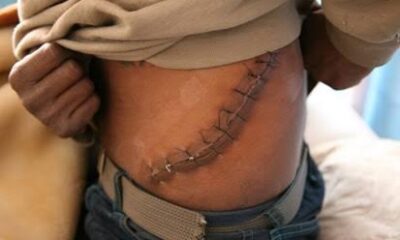
Investigations and court proceedings obtained by Diaspora Watch Newspaper have exposed allegations of young Nigerians being recruited to surrender kidneys for sums reaching about N1m (one million naira), with some alleged victims reporting that they received less after payments to intermediaries.
The revelations have raised serious questions about the exploitation of economically vulnerable Nigerians, the protection of minors and the effectiveness of safeguards governing organ donation and transplantation.
At the centre of the controversy is Alliance Hospital in Abuja, which has faced allegations over the removal of kidneys from three people, including two alleged minors.
The hospital and other defendants have denied wrongdoing and pleaded not guilty to criminal charges filed by the National Agency for the Prohibition of Trafficking in Persons, NAPTIP.
The case remains before the court.
A trade hidden in plain sight
The alleged organ-trafficking network came to public attention through investigations into young people from communities around Mararaba and Masaka in Nasarawa State, satellite settlements bordering the Federal Capital Territory.
Mararaba, located along the Abuja-Keffi highway, is home to a large population of young Nigerians drawn from different parts of the country in search of employment and better economic opportunities.
For some residents battling unemployment, debt and poverty, the prospect of receiving hundreds of thousands of naira can be difficult to resist.
It is within such communities that alleged kidney agents are said to have operated through friendship networks and personal contacts.
Rather than openly advertising their activities, recruiters allegedly approach people they believe are desperate for money and present kidney donation as a quick way out of financial difficulties.
The recruitment process, according to accounts contained in previous investigations, could begin with an ordinary conversation between friends or acquaintances before the prospective donor was introduced to an intermediary.
The N1m promise
One figure repeatedly featured in testimonies from alleged victims is N1m.
But investigators found no evidence that N1m represents a fixed or universally established price for kidneys in Nigeria’s black market.
Rather, it emerged repeatedly as the amount allegedly promised or paid to some donors in the Abuja-related cases.
In one reported case, an alleged victim, Aminu Yahuza, received N1m after undergoing kidney removal.
Another alleged donor, Yahaya Musa, told a court that he had expected N1m but eventually received N880,000.
The difference, according to his testimony, was linked to payments made within the network.
From victims to recruiters
One of the most disturbing elements of the investigation was the alleged involvement of former donors in recruiting new victims.
Daily Trust’s investigation reported that a broker identified by the pseudonym “Mayor” recruited agents to search for potential kidney donors.
Some alleged agents were themselves young men who had previously surrendered a kidney.
Having experienced the process, they were allegedly able to persuade others that the procedure was an easy route to quick money.
The model created a chain in which one vulnerable person could become the recruiter of another.
The alleged network therefore did not necessarily require strangers to walk into hospitals seeking to sell organs. It could operate through friendships, relatives and community relationships.
Minors allegedly caught in the network
The most disturbing allegations involve people who were reportedly below 18 when their kidneys were removed.
In 2023, the case of Oluwatobi Adedoyin, a teenager from Masaka in Karu Local Government Area of Nasarawa State, generated public attention after reports that he had been recruited for kidney removal.
Another alleged victim, Yahaya Musa, also testified in court about the circumstances surrounding the removal of his kidney.
Musa told the court that an agent had informed him about a hospital where he could sell his kidney for N1m.
He reportedly received N880,000 after the operation.
His testimony forms part of the evidence being considered in the criminal proceedings. The allegations involving minors have heightened concerns about the effectiveness of age verification and consent procedures in Nigeria’s transplant system.
Hospital denies allegations
Alliance Hospital has consistently rejected allegations that it recruited donors or participated in an illegal organ-trafficking operation.
The hospital’s Chief Medical Director, Dr Christopher Otabor, said the facility did not source donors for recipients.
According to the hospital, patients bring their prospective donors, who are then subjected to medical examinations and compatibility tests.
The hospital has also maintained that donors must meet its legal and medical requirements, including being adults, giving consent and providing documentation.
Its position is that it complied with the applicable procedures and did not induce people financially to donate organs. The allegations are now being tested in court.
In March 2024, NAPTIP arraigned the hospital and four other defendants on an 11-count charge connected with alleged organ trafficking and kidney removal. All the defendants pleaded not guilty.
NAPTIP steps in
The allegations eventually prompted intervention by Nigerian authorities. NAPTIP investigated the reported cases and proceeded with criminal charges.
The Federal Ministry of Health also directed the Medical and Dental Council of Nigeria to investigate the involvement of medical practitioners and hospitals in the controversy.
The Nigerian Medical Association also intervened following the public allegations. The official response demonstrates that the controversy did not remain solely within the media.
The poverty factor
At the heart of the alleged trade is a problem much bigger than transplantation. It is poverty.
The young people identified in investigations were largely struggling with unemployment and financial hardship.
For someone without a stable income, N1m can appear to offer an escape from immediate financial pressure. But the decision is irreversible.
A kidney removed cannot be restored when the money is exhausted.
Some alleged victims have subsequently complained of persistent pain and reduced ability to undertake strenuous work.
The consequences raise questions about whether financially induced “consent” can genuinely be regarded as voluntary when a person is facing extreme economic hardship.
Regulation under scrutiny
Nigeria has a legitimate and growing transplant sector, but the alleged cases expose the need for stronger safeguards against commercial organ trafficking.
The Declaration of Istanbul, adopted internationally to combat organ trafficking and transplant tourism, emphasises the ethical principle that organ donation should not become a commercial transaction.
The World Health Organisation has similarly called for systems that protect donors and recipients from exploitation and trafficking.
For Nigeria, enforcing those principles requires more than obtaining affidavits and consent forms.
Authorities must be able to establish how a donor was recruited, whether money changed hands and whether the donor is acting freely.
The age of the donor must also be independently verified, particularly where the donor and recipient are unrelated.
What government must do
The Federal Government now faces an opportunity to confront the wider problem exposed by the allegations.
NAPTIP, the Ministry of Health, the Medical and Dental Council of Nigeria, the police and state health authorities need stronger coordination in investigating suspected organ trafficking.
Transplant centres should be subjected to regular independent audits of donor and recipient records.
They should also establish mechanisms for confidentially interviewing prospective donors away from recipients, recruiters and hospital personnel before transplantation.
Such interviews could help investigators identify coercion, deception or financial inducement that may otherwise remain hidden behind apparently valid documentation.
More importantly, enforcement must move beyond the hospitals where transplantation takes place.
The recruiters and brokers who allegedly identify vulnerable Nigerians are a critical link in the chain.
Breaking that link could prevent potential victims from ever reaching the operating table.
A warning beneath the allegations
The kidney-trafficking controversy should not be dismissed as another isolated criminal case. It is a warning about what can happen when poverty meets desperation and organised exploitation.
The alleged victims did not wake up one morning and decide that they wanted to lose a kidney.
For some, the decision was reportedly presented as a solution to unemployment, debt and financial hardship. That is what makes the alleged trade particularly troubling.


DRC gets 70,000 Ebola vaccine doses as trial targets Bundibugyo virus

Jamaica Set to Host 20th Caribbean Week of Agriculture

Trump’s policies may cost US $700bn in clean energy investment – Report

Pastor Jerry Eze Defends Miracles At UK Conference Amidst Criticism And Controversy

Diaspora Watch 20th Edition (October 14-20, 2024): Your Trusted Source for Global News and Insights

Tanzanian Man Reportedly Dies And Returns To Life Six Times


-
 News1 day ago
Kidney for Cash: Inside Nigeria’s Shadowy Organ Trade
-

 Analysis1 day ago
Tobi Amusan’s Legacy After the World Record Falls, by Boniface Ihiasota
-

 Analysis1 day ago
Wike and the Abuja Master Plan, by Alabidun Shuaib AbdulRahman
-
 News1 day ago
Trump’s policies may cost US $700bn in clean energy investment – Report
-
 News1 day ago
Jamaica Set to Host 20th Caribbean Week of Agriculture
-
 Health1 day ago
DRC gets 70,000 Ebola vaccine doses as trial targets Bundibugyo virus