
Diaspora
Israel Vows To Eliminate New Hamas Chief Yahya Sinwar As Gaza War Enters 11th Month

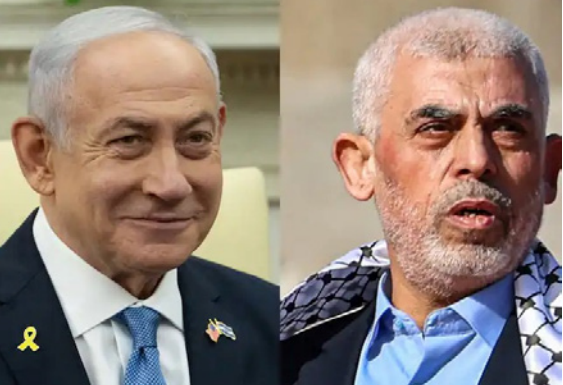
Israel has pledged to eliminate Yahya Sinwar, the new leader of Hamas, who is accused of masterminding the October 7 attack that killed over 1,200 people. The appointment of Sinwar, who has been Hamas’s leader in Gaza since 2017, has raised concerns about the possibility of a ceasefire in the region.
Israeli Prime Minister Benjamin Netanyahu has stated that Israel is “determined” to defend itself, while Army chief Lieutenant General Herzi Halevi has vowed to “find him, attack him” and force Hamas to find a new leader. The Israeli military has been on high alert since the appointment of Sinwar, who is believed to be hiding in an undisclosed location in Gaza.
The naming of Sinwar as the new Hamas chief comes as Israel prepares for potential Iranian retaliation over the killing of his predecessor, Ismail Haniyeh, in Tehran last week. Haniyeh was killed in a targeted strike, and Iran has vowed to take revenge.
Analysts believe that Sinwar is more reluctant to agree to a ceasefire and is closer to Tehran than Haniyeh, making a peace deal even less likely. Rita Katz, executive director of the SITE Intelligence Group, said that Sinwar’s appointment sends a message that Hamas “continues its path of resistance” and will “only lean further into its hardline militant strategy”.
US Secretary of State Antony Blinken has said that it is up to Sinwar to help achieve a ceasefire, stating that he “has been and remains the primary decider”. However, with Sinwar’s history of militant action and his close ties to Iran, many are skeptical that a peace deal can be reached.
Civilians in both Israel and Gaza have expressed unease over Sinwar’s appointment, with many fearing that it will lead to further violence and militant action. Mohammad al-Sharif, a displaced Gazan, told AFP: “He is a fighter. How will negotiations take place?” In Tel Aviv, logistics company manager Hanan, who did not want to give his second name, said Sinwar’s appointment meant Hamas “did not see fit to look for someone less militant, someone with a less murderous approach”.
As the Gaza war enters its 11th month, regional hostilities are threatening to boil over, and the international community is watching with concern. The appointment of Sinwar as the new Hamas chief has raised the stakes, and many fear that it will lead to further bloodshed and instability in the region.




BCD Fashion-House

Hawah Kromah, Founder of BCD Fashion House


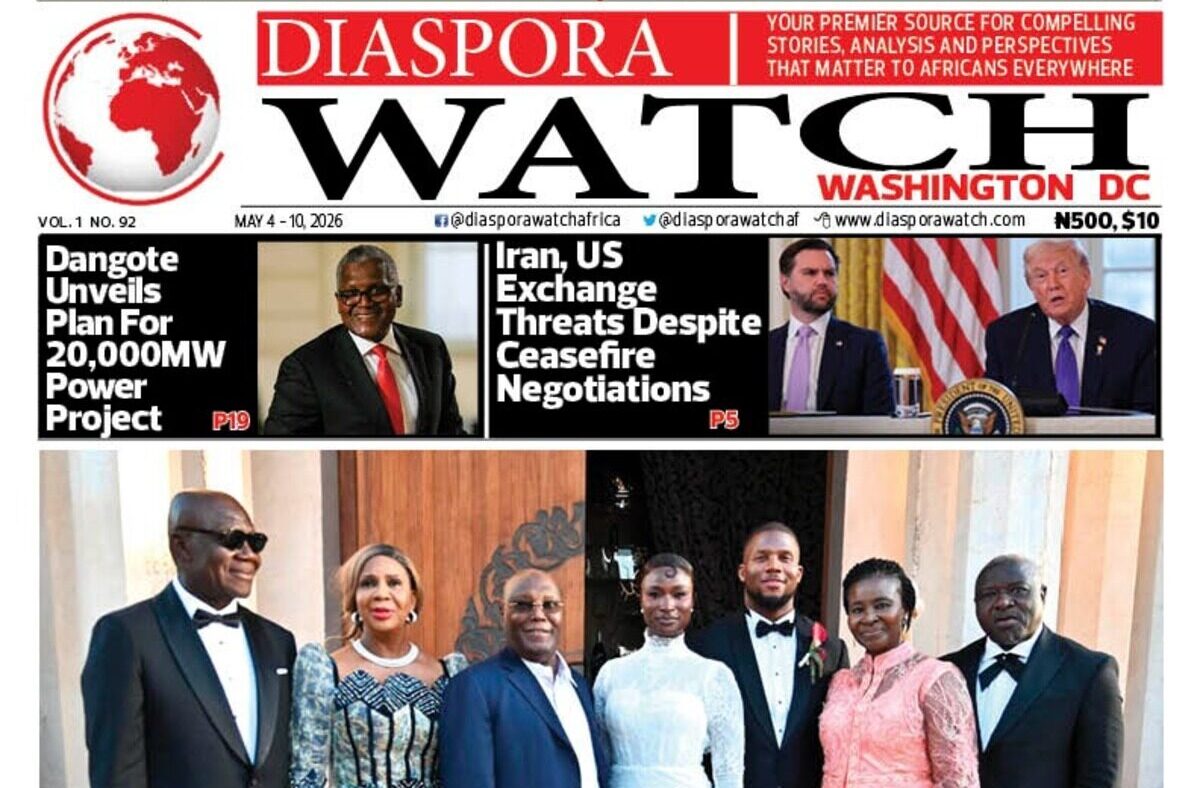
The management of Diaspora Watch Newspaper proudly announces the release of the 92nd edition of the newspaper, a compelling and globally engaging publication that captures the defining political, diplomatic, economic, cultural, and entertainment developments shaping conversations across continents.
This latest edition presents readers with an extraordinary blend of international diplomacy, economic transformation, royal engagements, security concerns, African excellence, and high society glamour, reaffirming Diaspora Watch Newspaper’s commitment to credible journalism, balanced reporting, and insightful global storytelling.
Diaspora Watch FREE Digital View: https://diasporawatch.com/3d-flip-book/diaspora-watch-vol-92/
On Demand Print: https://www.magcloud.com/browse/issue/3327462?__r=1069759
SUBSCRIBE TO DIASPORA WATCH NOW ON THE LINK BELOW!!!
https://diasporawatch.com/subscribe-to-diaspora-watch-newspaper/
Leading the headlines is the intensifying conflict between the United States and Iran as both nations exchange threats despite ongoing ceasefire negotiations, alongside US President Donald Trump rejecting Iran’s peace response and describing the proposal as “totally unacceptable.” The edition also offers deeper insight into the geopolitical implications of the crisis and its potential impact on global stability.
In a celebration of African prestige and international elegance, this edition extensively covers the grand wedding ceremony of Munachi “Muna” Ezeibe and Cherina Zerbo Lassina in Marrakech, Morocco, an event that attracted top African dignitaries, diplomats, business leaders, and influential personalities from across the continent.
Readers will also find exclusive reports on Aliko Dangote’s ambitious 20,000MW power project initiative, a development expected to significantly reshape Africa’s energy landscape and industrial future. Equally noteworthy is the report on Angola’s Cabinda Refinery commencing fuel exports, marking a major milestone in Africa’s refining capacity and economic independence.
The edition further highlights significant global diplomatic and societal developments, including King Charles III hosting the first Buckingham Palace Garden Party of 2026, the accreditation of a new United Kingdom ambassador by CARICOM, and concerns raised by China’s spy agency over the growing “lying flat” culture among young people.
On the back page, readers are treated to dazzling coverage of the 2026 edition of the Africa Magic Viewers’ Choice Awards 2026, where celebrities transformed Lagos into a spectacular runway of glamour, fashion, and unforgettable red-carpet moments.
As always, Diaspora Watch Newspaper remains steadfast in its mission to inform, educate, connect, and amplify global African perspectives through responsible journalism and compelling narratives.
The 92nd edition is now available for readers, stakeholders, institutions, and members of the global diaspora community.
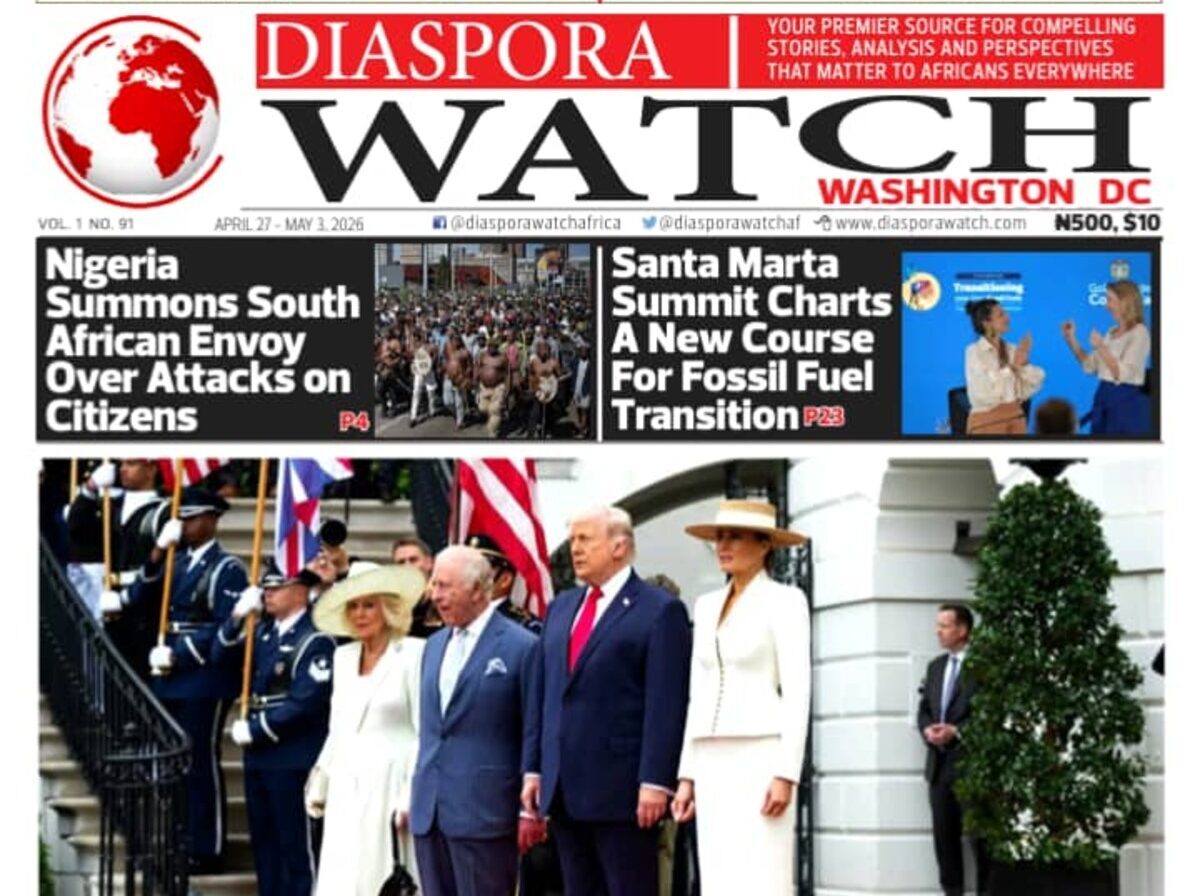
Diaspora Watch Newspaper Releases it’s 91st Edition.
Diaspora Watch Newspaper is proud to announce the release of its 91st edition, delivering a compelling blend of international headlines, geopolitical analysis, and cultural commentary that reflect the dynamic realities shaping the global community.
Diaspora Watch FREE Digital View: https://diasporawatch.com/3d-flip-book/diaspora-watch-vol-91/
On Demand Print: https://www.magcloud.com/browse/issue/3321550?__r=1069759
SUBSCRIBE TO DIASPORA WATCH NOW ON THE LINK BELOW!!!
https://diasporawatch.com/subscribe-to-diaspora-watch-newspaper/
Leading this edition is a major diplomatic spotlight: “Trump Hosts King Charles, Queen Camilla at White House, Hails ‘Unbreakable’ US-UK Ties.” The story examines renewed transatlantic relations and the strategic implications of high-level engagements between the United States and the United Kingdom.
Also featured prominently is Nigeria’s strong diplomatic response to rising tensions in Southern Africa, as the Government summons South Africa’s envoy over reported attacks on its citizens. This development underscores ongoing concerns about the safety and welfare of Nigerians in the diaspora.
In security and defense, the edition reports on the disappearance of two United States troops during military drills in Morocco, raising questions about operational risks and international military cooperation.
On the economic and developmental front, Caribbean leaders take decisive steps toward reducing import dependence through a new food security framework under CARICOM, while the Santa Marta Summit provides fresh momentum for a global transition away from fossil fuels.
Energy discourse is further amplified as the African Petroleum Producers’ Organization advocates for the establishment of regional energy hubs to drive investment in Africa’s oil and gas sector, signaling a strategic shift toward intra-continental collaboration.
In another major geopolitical development, the United States imposes sanctions on former DR Congo President Joseph Kabila over alleged links to the M23 rebel group, reflecting growing international scrutiny over instability in Central Africa.
Meanwhile, tensions in the Middle East deepen as the United Arab Emirates issues a stern warning on Iran’s reliability in managing the Strait of Hormuz, highlighting concerns over global energy security amid escalating US–Tehran relations.
Rounding off the edition on the back page is a cultural reflection from global music icon Jay-Z, who emphasizes authenticity in hip-hop culture with the thought-provoking stance: “Hip-Hop Must Stay Real, Not Trendy.”
Stay informed and ahead of the curve with the 91st edition of Diaspora Watch where we the complex dynamics shaping our world and provide insights into the stories that matter.


Rubio Reveals Late-Night Calls, Says No ‘Typical Day’ as US Security Chief

Chiemela Nathan: The ‘Girl With an Agenda’ Who Turned Excellence Into Leadership

CARICOM Urges Youths to Build Skills, Embrace Entrepreneurship

Pastor Jerry Eze Defends Miracles At UK Conference Amidst Criticism And Controversy

Diaspora Watch 20th Edition (October 14-20, 2024): Your Trusted Source for Global News and Insights

Tanzanian Man Reportedly Dies And Returns To Life Six Times


-
 News23 hours ago
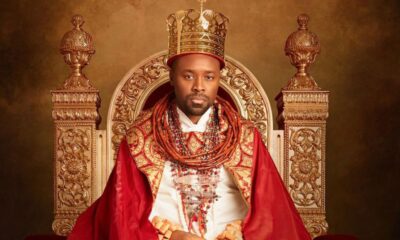
Five Years on the Throne: Reflecting on the Reign of the Olu of Warri, by Boniface Ihiasota
-
 Analysis22 hours ago
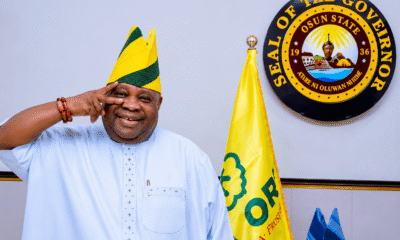
Adeleke’s Osun Victory: What It Means for Nigeria’s 2027 Elections
-
 Analysis23 hours ago
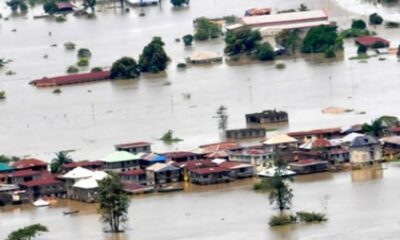
Before Wike Turns Abuja City to Jakarta, by Alabidun Shuaib AbdulRahman
-
 Milestone22 hours ago
Chiemela Nathan: The ‘Girl With an Agenda’ Who Turned Excellence Into Leadership
-
 News22 hours ago
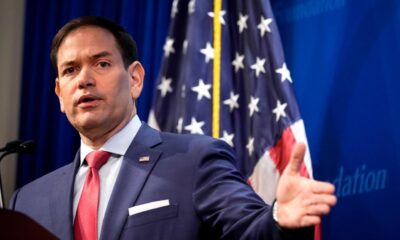
Rubio Reveals Late-Night Calls, Says No ‘Typical Day’ as US Security Chief
-

 News23 hours ago
Harry, Meghan to return to Britain with children six years after royal exit